





Introduction — Citrus Scented Shores: Lemon Gardens and Hanging Orchards on the Amalfi Coast
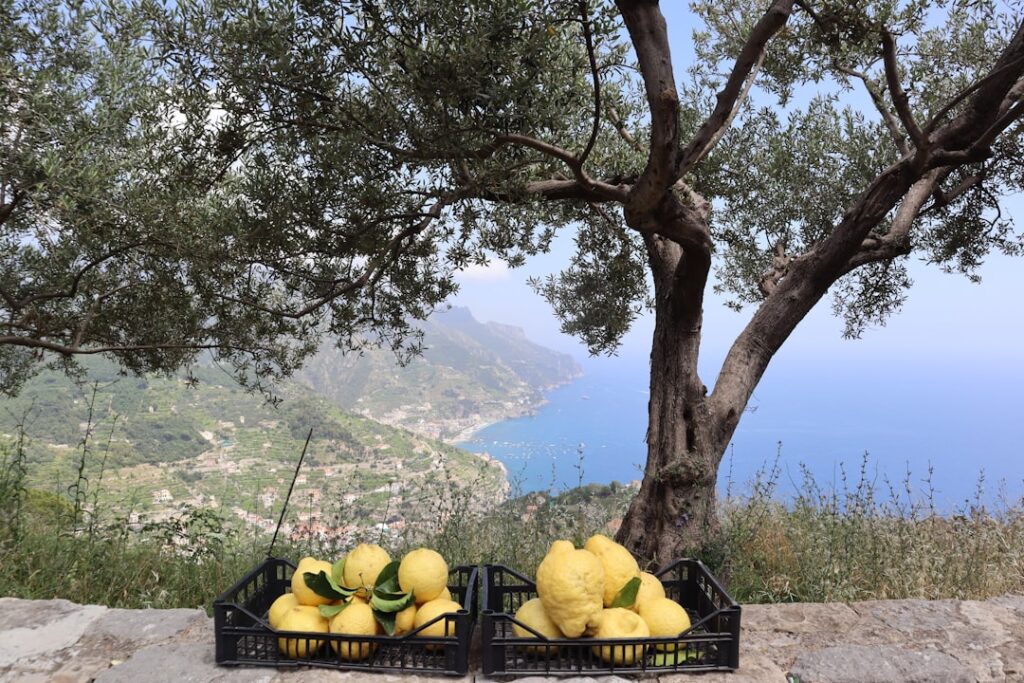
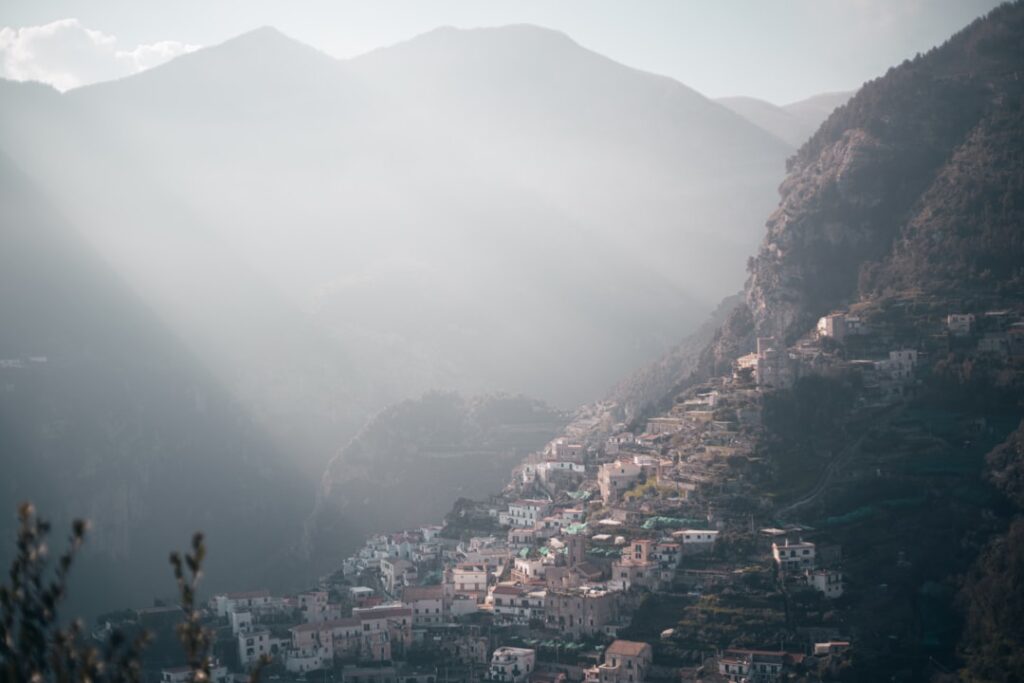
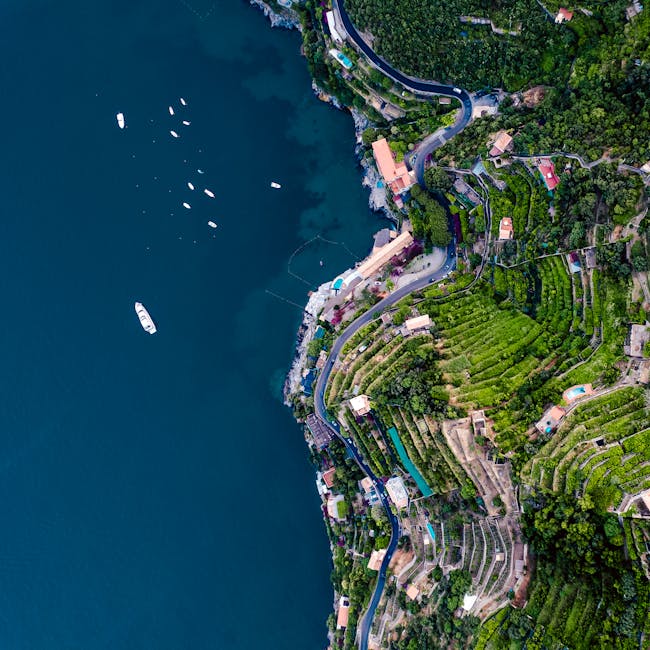
The Amalfi Coast is a jagged strip of land suspended between the deep blue Tyrrhenian Sea and the emerald green of terraced cultivation. Of the images that linger in a traveler’s mind, none is more evocative than blossoming lemon trees — little yellow lanterns clinging to white façades and stone walls, releasing a scent that’s fresh, floral and bright. These trees are more than decoration: they tell a story, support a local economy and embody a way of life. Along the Amalfi Coast, citrus gardens and hanging orchards form a living cultural landscape shaped by centuries of terracing, clever irrigation and trade that reaches across the globe.
Historic gardens like Villa Rufolo and Villa Cimbrone in Ravello give you panoramas where lemon cultivation meets medieval architecture and sea views. In valleys and towns such as Amalfi, Minori, Maiori and Atrani, limonaie (lemon houses) cling to steep slopes, connected by narrow staircases and dry-stone walls. The scent of orange blossom and lemon trees fills the streets in late spring; the sweet aroma mingles with sea salt and the smells of pizza and pastries, creating a multisensory atmosphere that instantly captures the region’s soul.
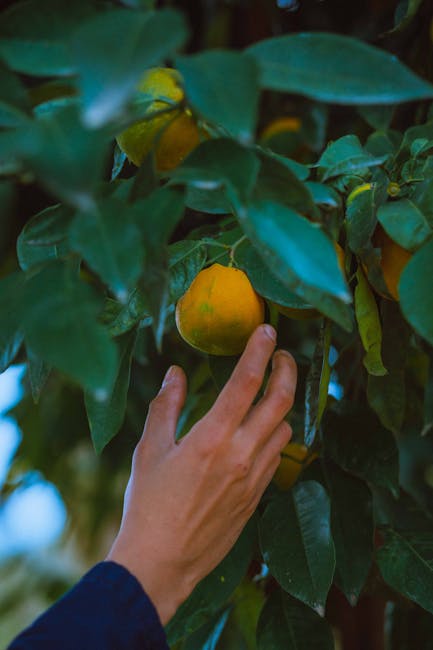
But these citrus trees are not only ornamental: the coast produces IGP “Sfusato Amalfitano” lemons used in local cuisine — from homemade limoncello to artisanal gelato and fish sauces. The hanging orchards also carry a strong human dimension: small family farms, cooperatives and artisans who tend the terraces, hand-pick the fruit and craft traditional products. Visiting these gardens means learning ancient care techniques, discovering skills like espaliering and dry-stone wall building, and seeing how nature and human ingenuity combine to create a unique terroir.
In this article I’ll take you to the most beautiful citrus gardens and suspended orchards on the Amalfi Coast, with practical addresses, opening hours, entrance fees, immersive descriptions and tips to make the most of each place — whether you’re after a botanical stroll, a tasting of local products or a golden-hour photoshoot. Get your senses ready: every page is designed to help you feel the rind, smell the blossom and hear the terraces breathe under the Mediterranean sun.
Villa Rufolo (Ravello): a medieval garden with terraced lemon trees
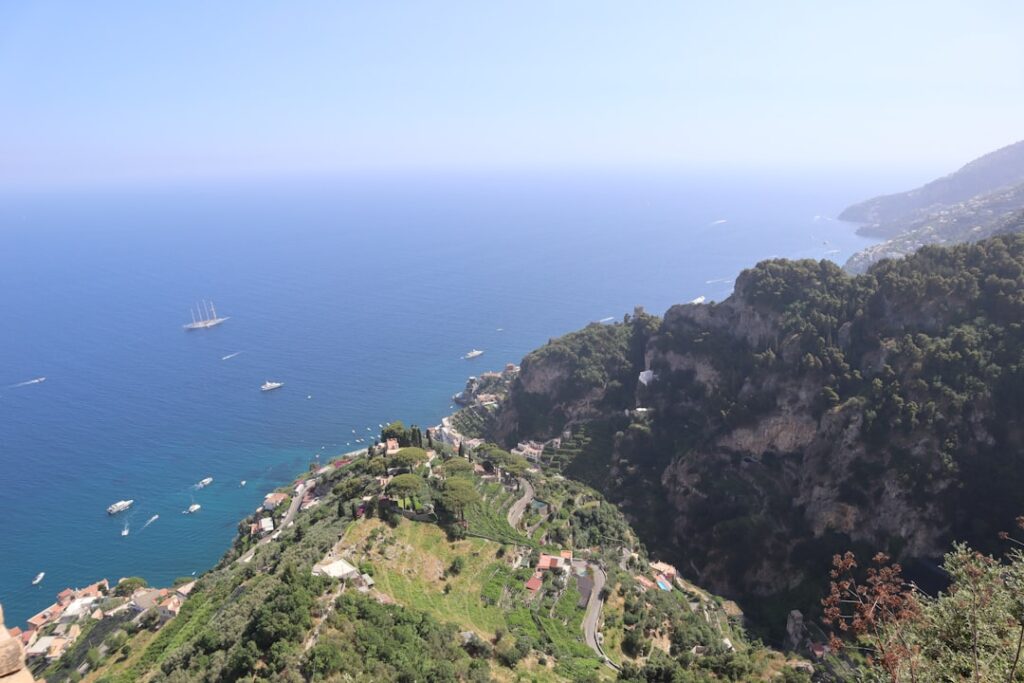
Villa Rufolo is one of Ravello’s historic gems and a must-see starting point for anyone wanting to explore the Amalfi Coast’s citrus gardens. Nestled in the heart of Ravello, the villa is famous for terraces that offer panoramic views over the Gulf of Salerno and the Tyrrhenian Sea. The gardens, laid out since the 19th century, mix exotic plants, palms and lemon trees in pots and planted in the ground, lining arches and stone promenades. The sensory experience is striking: citrus blooms, often in spring, fill the air with an intensely sweet, lively fragrance.
Address: Villa Rufolo, Piazza Vescovado, 5, 84010 Ravello SA, Italy.
Opening hours: generally open daily from 09:00 to 19:00 (hours vary by season; extended hours in summer for concerts).
Entrance fee: about €7.00 per adult (reduced rates for students and seniors; special prices for events, concerts and guided tours).
The visit starts in the courtyard and cloister, continues across terraces oriented toward the sea and often ends with a walk through the vines and citrus areas. The lemons, frequently grown in pots following Mediterranean tradition, sit beside orange trees and bougainvillea, creating a kaleidoscope of color. For photographers, morning and dusk light reveal dramatic contrasts between the yellow fruit and the deep blue sea.
Practical tips for visiting Villa Rufolo
- Book tickets online during high season (July–August) to avoid queues.
- Allow at least 1–2 hours to enjoy the gardens, the views and the small on-site museum.
- If you love music, check the Festival di Ravello schedule — concerts often use the gardens as a stage; tickets range from €25.00 to €100.00 depending on the event.
- Wear comfortable shoes: paths can be irregular and made of stone.
Villa Cimbrone and the Terrazza dell’Infinito: lemons, sculptures and endless views
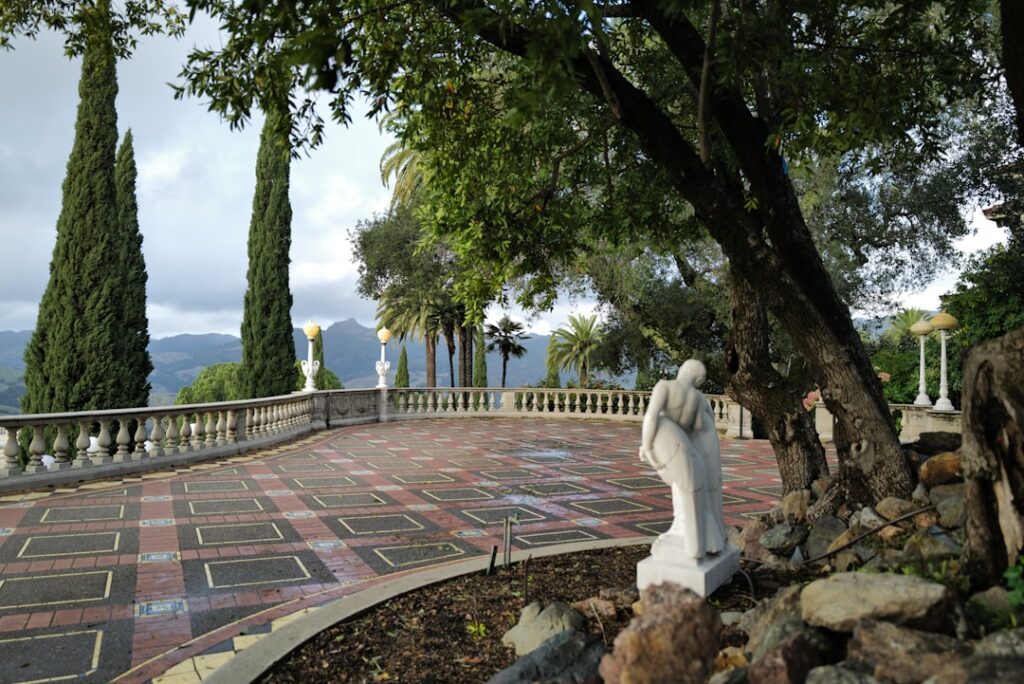
Just a short stroll from Villa Rufolo is Villa Cimbrone, an estate that blends romantic gardens, shaded pathways, statues and — naturally — citrus trees. The Terrazza dell’Infinito is the undisputed star: a stone ledge perched 365 meters above the sea, offering one of the Amalfi Coast’s most famous views. Lemon and orange trees planted along the paths and in sunny alcoves add to the enchanting atmosphere. The scent of orange blossom often mingles with sea spray, creating an almost magical vibe.
Address: Villa Cimbrone, Via Santa Chiara, 26, 84010 Ravello SA, Italy.
Opening hours: usually open from 08:30 to 20:00 (longer summer hours; some early closures in winter).
Entrance fee: around €8.00 per adult (reduced rates for young visitors and groups; guided tours available for about €12.00).
Strolling Villa Cimbrone is often a quiet experience: paths lined with fragrant shrubs, small antique stelae and pergolas covered in vines. Not all hanging orchards are intended for commercial production; some lemons are grown mainly for ornamentation and to preserve the landscape heritage. The Terrazza offers excellent photo opportunities — come early for soft light and fewer people.
Practical tips for Villa Cimbrone
- Combine Villa Cimbrone with Villa Rufolo for a half-day in Ravello.
- Bring a light jacket: the wind can be cool even in summer on the Terrazza dell’Infinito.
- There are restrooms and a gift shop on site; support local artisans by buying lemon soaps or liqueurs.
- Peak times: midday and late afternoon — aim for opening hours for a more intimate visit.
The limonaie and hanging orchards of Amalfi, Atrani and Minori: terroir, production and tastings
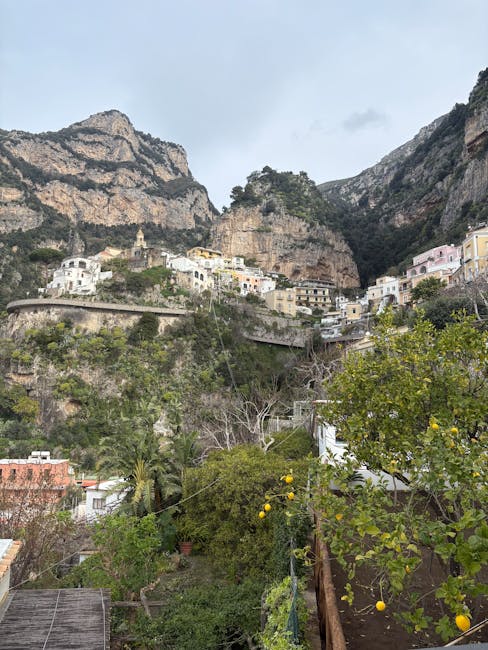
Moving down toward the shoreline, the town of Amalfi and its neighbors preserve traditional limonaie: enclosed spaces where lemon trees are trained against walls to maximize warmth and protection. A typical example is the Limonaia del Museo in Amalfi (included in some museum routes), but the real richness is found in the valleys and local cooperatives. The orchards of the Valle dei Limoni (Valley of Lemons) near Maiori and the terraces around Minori are places where production remains largely artisanal.
Notable address for a culinary experience: Pasticceria Sal De Riso, Via Roma, 64, 84010 Minori SA, Italy. Hours: 08:00–20:00 (variable). Prices: desserts from around €3.50, lemon specialties (cakes, sorbets) €4.50–€7.00.
In Amalfi you’ll find workshops and small family businesses crafting the famous local limoncello. One recommended stop is Pasticceria Pansa, Via Lorenzo d’Amalfi, 24, 84011 Amalfi SA, Italy, typically open from 07:30 to 20:30, known for lemon pastries and homemade jams — price for a small jar of jam: €5.00–€10.00. Many artisans welcome short visits or tastings by appointment; call ahead to arrange.
Visiting a limonaia and tasting
Tips for organizing a visit:
- Contact local associations (e.g., Pro Loco Amalfi, address Piazza Municipio, Amalfi) to book a guided limonaia tour — indicative cost €10.00–€20.00 per person for a guided visit including tasting.
- Be ready to walk: limonaie are reached via stairs and narrow paths — closed-toe shoes recommended.
- Buy limoncello and jams directly from producers for prices often lower than tourist shops: a bottle of artisanal limoncello ranges from €8.00 to €25.00 depending on size and quality.
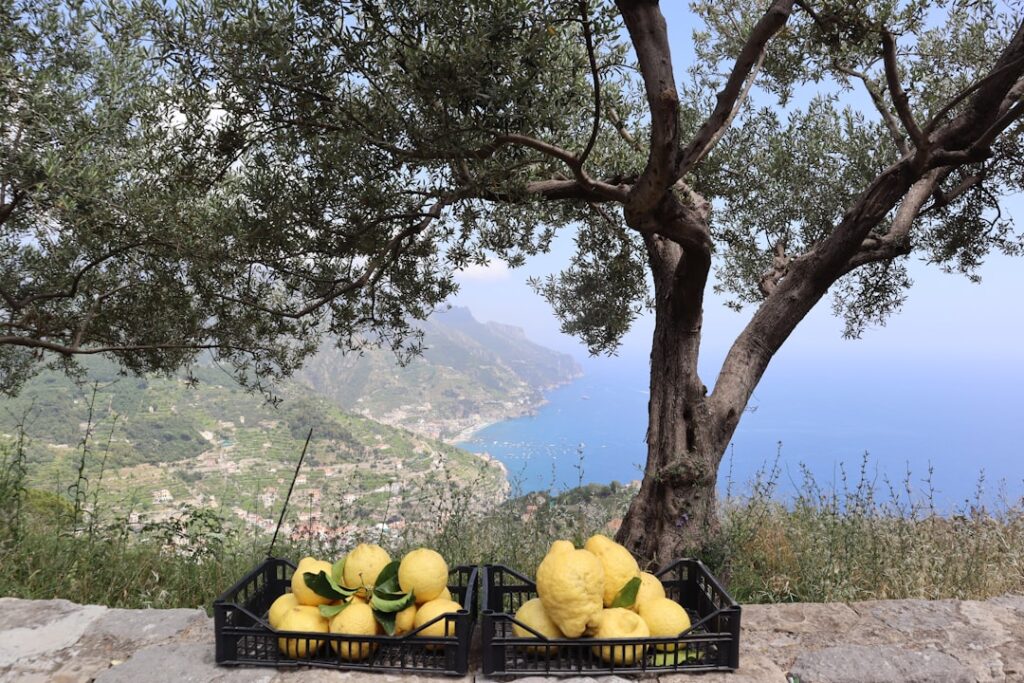
Maiori, Furore and the steep orchards: terrace work and secret paths
Further east, towns like Maiori and Furore show agriculture practiced on steep slopes for generations. In Maiori, the valley and south-facing walls produce bold, aromatic lemons that often end up in local markets and kitchens. The Valle dei Limoni (approximate address: Via Valle dei Limoni, 84010 Maiori SA, Italy) is a living example of hanging orchards where citrus shares space with vines and olive trees.
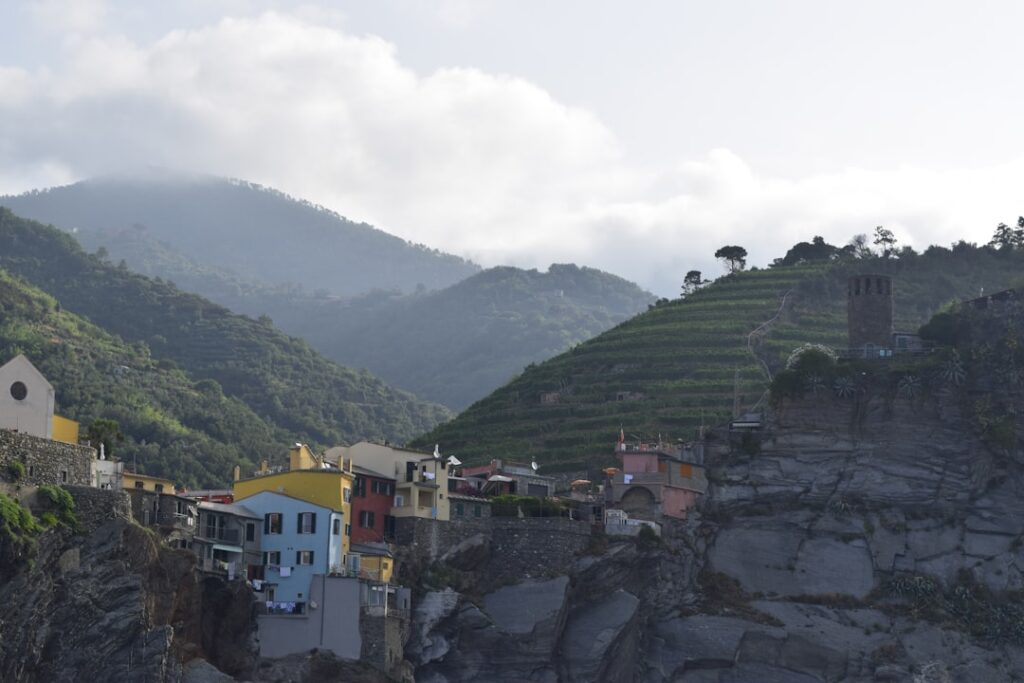
Furore, famous for its fjord and cliffside houses, also hosts small limonaie that seem to defy gravity. Trails linking these spots offer a full sensory immersion: the hum of insects, the sea breeze, sweeping sea views and the smell of citrus blossoms. Many of these orchards are closed to the public without a guide, but escorted walking tours (2–4 hours) are offered by local operators: prices around €30.00–€60.00 per person depending on the program and tastings included.
Practical tips for trails and rural visits
- Choose spring (April–June) to see the blooms in full swing.
- Bring water and a hat: the sun can be strong and shade scarce on some paths.
- Respect private property: many orchards are family-run. Ask permission before entering.
- If driving, be mindful of narrow roads and limited parking — buses or taxis are often a better option for certain arrivals.
Workshops, markets and sensory trails: learning to transform the lemon
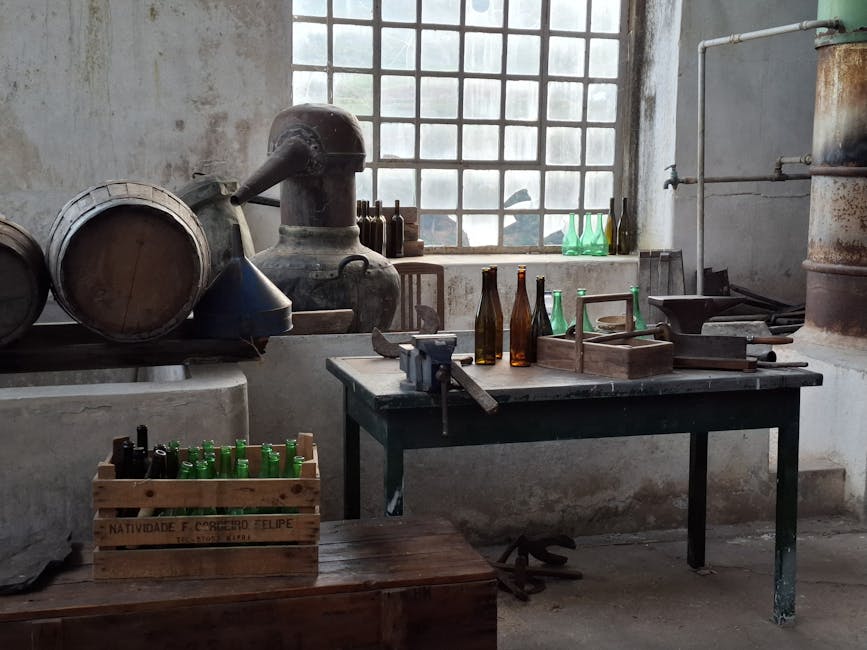
The lemons of the Amalfi Coast are the base for a range of handcrafted products: limoncello, flavored liqueurs, jams, scented oils, soaps and unique pastries. Several workshops and small businesses now offer hands-on experiences where you can learn to make limoncello, prepare jams or cook with lemons.
Recommended workshop address: Cooperativa Agricola Amalfi – Agrumi Tour, Via Pietro Capuano, 7, 84011 Amalfi SA, Italy (example workshop; hours by appointment). Workshop prices: between €25.00 and €60.00 per person depending on duration and tastings. Local markets (like Amalfi Market, Piazza Municipio, on certain weekdays) have producer stalls where you can buy fresh lemons from €2.00–€4.00 per kilo depending on the season.

Taking part in these workshops is a concrete way to grasp the work behind each product. You’ll learn how to peel lemons to avoid bitterness, how to macerate zest in alcohol, and how to balance sugar and acidity to make a home liqueur. Workshops often end with a tasting paired with biscuits or lemon gelato — a delicious way to finish the experience.
- Booking: essential in high season; most workshops ask for reservations 48–72 hours in advance.
- Duration: plan for 1–3 hours depending on the workshop type.
- Transporting purchases: if you bring bottles of limoncello home, pack them carefully for travel (some workshops provide special packaging).
Conclusion — Between scent, heritage and sustainable practice
The citrus gardens and hanging orchards of the Amalfi Coast are far more than pretty scenery: they’re the result of a delicate balance between people and nature, an agricultural legacy carved into rock and maintained across generations. Visiting Villa Rufolo, Villa Cimbrone, Amalfi’s limonaie, Maiori’s orchards and Furore’s trails helps you understand a human geography where the lemon is culture, economy and identity symbol. The addresses, hours and prices given in this article provide a practical frame for planning your explorations — but the real wealth is found in the encounters: with a grower explaining espaliering techniques, with a pastry chef offering a lemon tart, or with a local guide leading you along a secret path lined with dry-stone walls and blossoms.
To make the most of these places, aim for blossom season in late spring, book workshops and guided visits in advance and be prepared to walk on uneven, uphill terrain. Respect family farms: ask permission, don’t pick fruit without agreement and support producers by buying local. Finally, take home souvenirs that tell a story — a bottle of artisanal limoncello, a jar of lemon jam made from ancestral recipes, or simply a photograph taken at golden hour from a suspended terrace.
The Amalfi Coast, with its citrus scents, invites you to slow down, to smell and to taste. Beyond the postcards, it offers a rich sensory and cultural experience: a handcrafted landscape where every lemon tells of a territory loved and sustained by its people. Pack your travel notebook, your walking shoes and your curiosity — the Amalfi Coast’s citrus gardens are waiting, full of aromas and stories to discover.