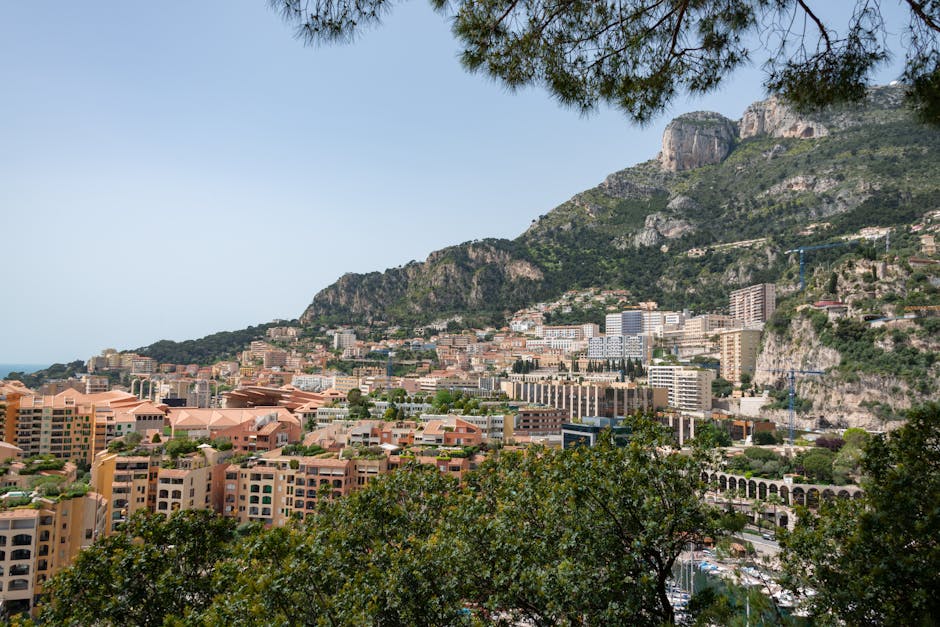






Introduction — Artisan limoncello and the Amalfi Coast: a marriage of soul, scent and sunshine
On the Amalfi Coast, limoncello is more than a liqueur: it’s a distilled piece of history, landscape and craftsmanship. Between steep cliffs dropping into a deep-blue Mediterranean and terraces full of lemon trees, every sip carries the sharp oil of the peel, the warmth of an afternoon sun and the salty breeze off the sea. The artisanal limoncello made here is often produced from family recipes passed down through generations, where the choice of fruit, the extraction method for essential oils and the aging time make all the difference.
The Amalfi Coast — with iconic towns like Amalfi, Ravello, Positano, Sorrento and Capri — offers a range of limoncellos that mirrors the region’s microclimates. The lemon trees on the Sorrento peninsula (bergamot and Sorrento lemon) grow in a unique terroir, sheltered from cold winds by coastal topography, producing particularly fragrant peels. In Ravello, perched on cliffs, lemon groves bathe in mountain breezes that refine their aromas; while in Amalfi you’ll find distillers and pastry chefs turning these treasures into intense liqueurs, sometimes aided by modern techniques but often remaining true to intimate, family-scale production.
Picking the “best” bottle of limoncello on the Amalfi Coast can seem subjective: best for whom? For someone after authenticity, a collector of pretty packaging, or someone who wants a gentle digestif after a big meal? In this guide I’ll take you through it like a local: how to read a label, spot the signs of a genuine artisanal limoncello, where to taste and buy bottles worth bringing home from those steep alleyways. You’ll find concrete addresses — distilleries, historic patisseries, renowned shops — with opening hours, locations and price ranges. I’ll also give practical tips for transport (especially if you’re taking a boat or ferry), storage at home, and food pairing suggestions to highlight every nuance.
Finally, the Amalfi Coast is a sensory destination: don’t buy your limoncello like you’d grab something off a supermarket shelf. Look for transparency (alcohol percentage, origin of the lemons), simple ingredients (peels, alcohol, water, sugar) and signs of artisanal production (small batches, lot numbers, wax-sealed bottles or handwritten labels). Come with me through Amalfi, Ravello, Positano and Sorrento: I’ll point out where to smell the peels, taste the liqueur, see the distillation and leave with the perfect bottle to share or keep as a keepsake.
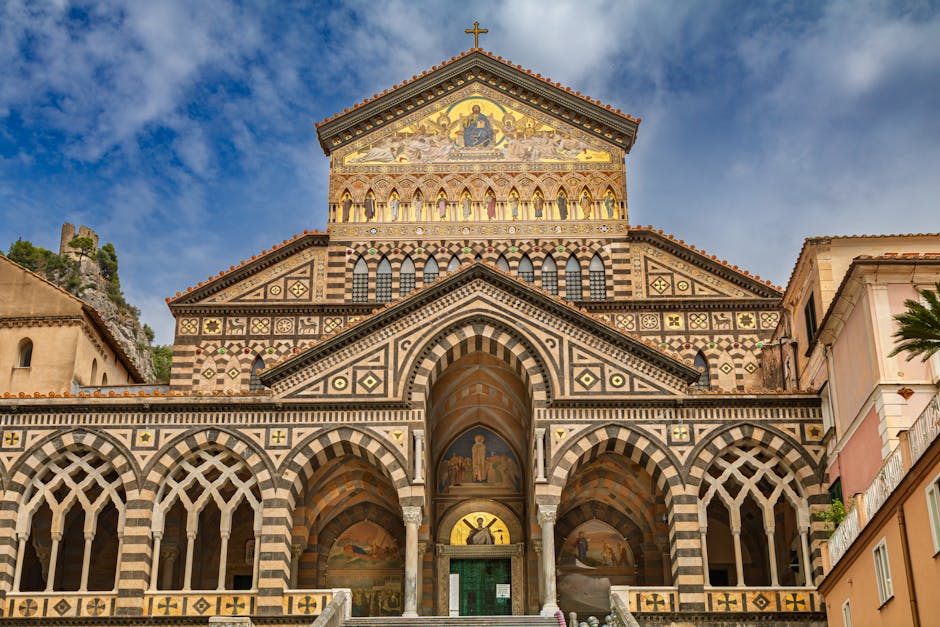
Why Amalfi Coast limoncello is unique (geography, varieties, terroir)
The uniqueness of Amalfi Coast limoncello starts with its terroir. The terraced slopes, called « terrazzamenti, » hold soil and make intensive cultivation of the « limone di Sorrento » and other local varieties possible. These lemons have thin skins rich in essential oils and flesh that’s not very acidic — ideal traits for minimizing bitterness and concentrating aroma in the liqueur. Microclimates — sun exposure, sea breezes and limestone soils — produce peels with a particularly powerful aromatic bouquet.
Geography also shapes how the fruit is grown: farmers maintain dry-stone walls and manual irrigation systems; harvesting is often done by hand to avoid damage to the fruit. These practices, handed down over centuries, help explain the price and quality. The lemons used by artisans are often untreated or grown organically, because the peel’s essential oils are the soul of limoncello — any chemical treatment would be obvious on the nose.
Production on the coast is largely family-run. You’ll find small distilleries like Villa Massa (Meta di Sorrento) that offer tours and tastings, and many local artisans making limoncello with house recipes: macerating peels in neutral alcohol, infusing for days or weeks, then adding a sugar syrup prepared at controlled temperature and sometimes a short rest in ceramic vats. This variety of methods explains why two bottles labeled “limoncello” bought a few dozen meters apart can be radically different — one bright and explosive, the other soft and balanced.
Finally, the Amalfi Coast has a culture of presentation and ritual: limoncello is often served chilled in small, thick-bottomed glasses after a meal. The ideal serving temperature (between -10 °C and -5 °C) brings the aroma forward while smoothing the alcohol. If you visit a shop or distillery, check the lemons’ origin — “Limone di Sorrento IGP” is a mark of quality and authenticity — and ask whether production uses whole fruit or only industrial peels. These are the details that define a true artisanal limoncello from the Amalfi Coast.
How to recognize a quality artisan limoncello: technical and sensory criteria
Recognizing a quality artisanal limoncello requires using your eyes, nose and palate. Here are the essential criteria to check when buying on the Amalfi Coast.
- Origin of the lemons: look for the mention « Limone di Sorrento IGP » or an indication that the fruit comes from a local estate (e.g. « coltivato a Amalfi », « Sorrento coast »). The best limoncellos use fresh, untreated peels.
- Ingredients: shorter ingredient lists are often better — neutral alcohol, peels, water and sugar. Beware of liqueurs listing artificial flavors, colorings or stabilizers on the label.
- Method: cold maceration of the peels in alcohol, without the pulp, signals a careful product. Ask how many days the infusion lasts; 7 to 30 days is common for artisanal products.
- Alcohol level: most natural limoncellos sit between 28% and 35% ABV. Below that, the product may be overly sweet; above it, it can feel harsh if not properly balanced.
- Color and texture: an artisanal limoncello typically has a straw-yellow color, sometimes brighter if abundant essential oils are present. The texture should be slightly syrupy but fluid; excessive viscosity indicates too much syrup.
- The nose: bring the glass up and expect a layered aromatic loop: fresh peel, floral notes, with a subtle herbal or honeyed base depending on origin. Artificial aromas tend to be one-dimensional and sharp.
- Taste: the first impression should be peel-forward, followed by a sugar sweetness that wraps the alcohol. Bitterness should be discreet — if it dominates, it signals inclusion of the white pith (albedo) in the maceration.
On site, pair your observations with questions for the seller: « Where are your lemons grown? How long do you macerate the peels? Is this a family production? » Local artisans love talking about their liqueur; their answers will tell you a lot about authenticity. For example, at Distilleria Villa Massa (Via Ripa di Cassano 31, 80062 Meta NA), you can tour the workshop and see the freshness of the peels and the production method (visits generally 9:00–18:00, tasting around €10–15). Another sign: a handwritten lot number or a label applied by hand — an indicator of small-batch production.
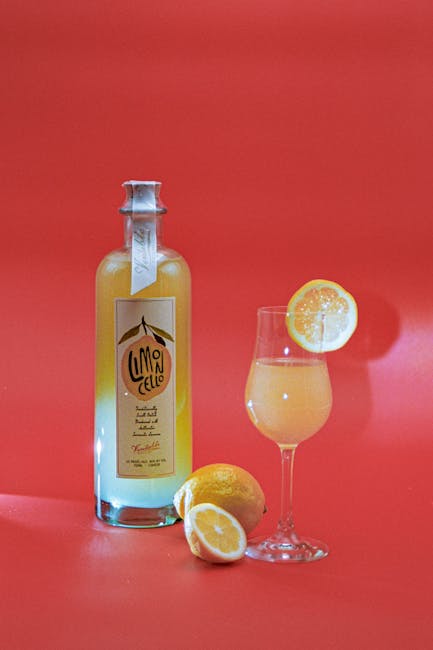
Recommended places to buy artisan limoncello on the Amalfi Coast — addresses, prices, opening hours and practical tips
Here’s a curated list of shops, patisseries and distilleries where you can buy or taste artisanal limoncello, with addresses, price ranges and typical opening hours. These recommendations will help you make an informed purchase and enjoy a local experience.
-
Pasticceria Pansa — Amalfi
Address: Piazza Duomo 14, 84011 Amalfi SA, Italy.
Hours: 07:00–22:00 daily.
Prices: small 200 ml bottles from €8–12, 500 ml bottles €18–30 depending on the range.
Description: Historic patisserie (founded in the 19th century) offering limoncello made from local lemons, often sold in seasonal editions. You can buy in-store or taste it after a slice of « delizia al limone. » Tip: buy a bottle well-packed for ferry travel; the shop often offers protective wrapping. -
Villa Massa — Distilleria e Shop
Address: Via Ripa di Cassano 31, 80062 Meta (Meta di Sorrento) NA, Italy.
Hours: 09:00–18:00, closed Sunday morning (seasonal variations).
Prices: tasting €10–15, 500 ml bottles €18–25. Guided tours sometimes available (book ahead).
Description: Distillery known for its classic limoncello, offering tours, tastings and direct sales. Great place to see a semi-industrial process that honors tradition. -
Antica Farmacia Capuano — Ravello
Address: Via Roma 17, 84010 Ravello SA, Italy (near Villa Rufolo).
Hours: 09:30–19:00 (until 22:00 in summer season).
Prices: 200 ml €12–15, 500 ml €25–40 depending on the artisan.
Description: Spice shop and local products boutique offering a select range of artisanal limoncellos, often from small Ravello producers. Tip: ask to taste before buying; the shop sometimes offers a mini tasting set. -
Bar Internazionale — Positano (Spiaggia Grande)
Address: Via Cristoforo Colombo 58, 84017 Positano NA, Italy.
Hours: 08:00–23:30.
Prices: limoncello shot €3–6, small 200 ml bottles €10–16.
Description: Beachfront bar that serves chilled limoncello after lunch. Perfect for trying different versions in a seaside setting. Tip: enjoy a glass at sunset, served icy, and appreciate the bright citrus attack. -
La Bottega del Limone — Capri (Marina Grande)
Address: Via Marina Grande 12, 80073 Capri NA, Italy.
Hours: 09:00–20:00 (varies in low season).
Prices: 200 ml bottles €15–20, special editions 500 ml €30–45.
Description: Small shop specializing in lemon products, ideal for decorative bottles and gift-sized versions. Tip: if you’re taking the ferry back, ask for reinforced gift wrapping.
These spots are reliable starting points for an authentic purchase. Prices vary with brand reputation, lemon quality and packaging: an artisanal ceramic bottle or wax-sealed finish can cost twice as much as a standard glass bottle, but makes a wonderful souvenir. Opening hours and prices may fluctuate with the tourist season — high season is May to September — so check ahead. Finally, favor buying directly in shops or distilleries: you’ll get provenance assurance, the chance to taste, and often packaging suited to sea transport.
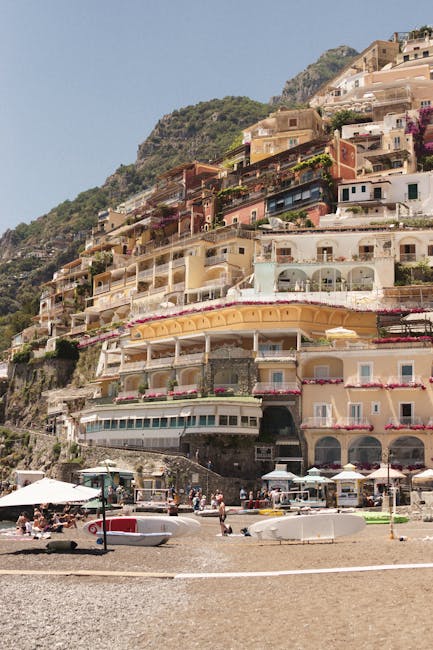
Practical tips for buying, transporting, storing and pairing
Buying limoncello on the Amalfi Coast also means knowing how to transport and store it to preserve its qualities. Here are practical, on-the-ground tips.
- Ferry or plane transport: If you’re traveling by ferry between islands and the coast, pack bottles carefully. Ask the seller for bubble wrap and a rigid box. For flights, follow cabin liquid rules: it’s usually best to put the bottle in checked luggage, protected by clothing. Ceramic bottles are heavy but very protective; budget extra for baggage fees if needed.
- Storage at home: keep your limoncello in the fridge or freezer (the texture becomes velvety but not frozen). Once opened, consume within 6 to 12 months to enjoy the essential oils at their best. Avoid direct light and high temperatures.
- Serving temperature: serve very cold (-10 °C to -5 °C). A 2–3 hour stint in the freezer is enough for optimal service. Ice cubes are not recommended — they dilute and mask the aromas.
- Food pairings: limoncello and desserts are a natural match — delizia al limone, lemon panna cotta, lemon biscotti. For savory applications try a drizzle or zest over scallop carpaccio or a cucumber granita as an aperitif for a surprising twist. For contrast, serve it after aged cheeses (Pecorino, Parmigiano Reggiano); the sweetness cleanses the palate.
- Buying as a gift: choose elegant finishing touches (cork stopper, wax seal, wooden box) for a memorable present. Consider insulated boxes if the recipient lives in a hot climate: limoncello is heat-sensitive.
While you’re there, take advantage of guided tastings: they’ll teach you to distinguish subtle notes and choose according to your taste. Ask about harvest season (many lemons are picked mainly between November and April for certain varieties) and whether the producer uses organic methods — this greatly affects quality. Finally, remember price isn’t always the perfect indicator: some small producers sell excellent bottles at modest prices, while luxurious packaging can hike the cost without necessarily improving taste.
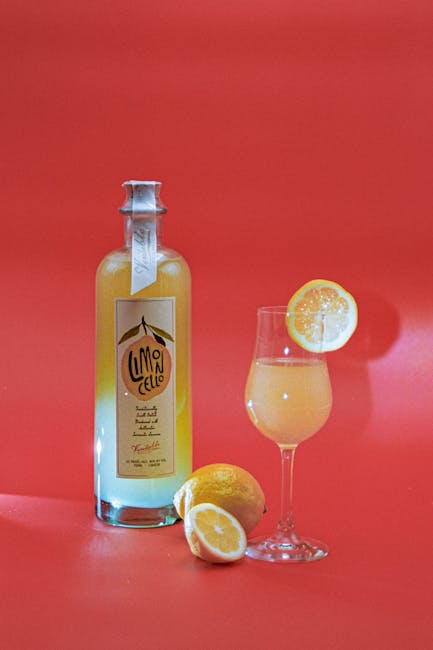
Tasting experiences to try: where to taste and what to note
To hone your palate and pick the best bottle, nothing beats tasting on site. Here are experiences to live through and cues to write down as you smell and taste.
Start earlier in the day, after a light breakfast, or after lunch to better pick up fresh peel notes. Visit a distillery to watch the process: a production workshop will show you how peels are pared, macerated and sometimes bottled on site. At Villa Massa (Via Ripa di Cassano 31, Meta di Sorrento), the tour often explains different alcohol and sugar levels and lets you compare several cuvées side by side (tasting €10–15).
Next, stop by a historic patisserie like Pasticceria Pansa (Piazza Duomo, Amalfi) to try a very cold limoncello with a slice of lemon cake. Note your first impression (the peel’s attack), the length (how long the aroma lingers) and the sugar/alcohol balance. Ask the bartender for a “house” serving — how it’s served and its temperature often reveal the product’s subtleties.
Finally, end your route by buying a small bottle in a specialist shop (La Bottega del Limone – Marina Grande, Capri) and test it on an evening terrace to judge how it opens up over time and at what temperature it shows its best attributes. Keep a small tasting notebook: jot down the producer name, alcohol percentage, color, nose, palate and your overall impression. These notes will help you choose the perfect bottle to bring home or gift.
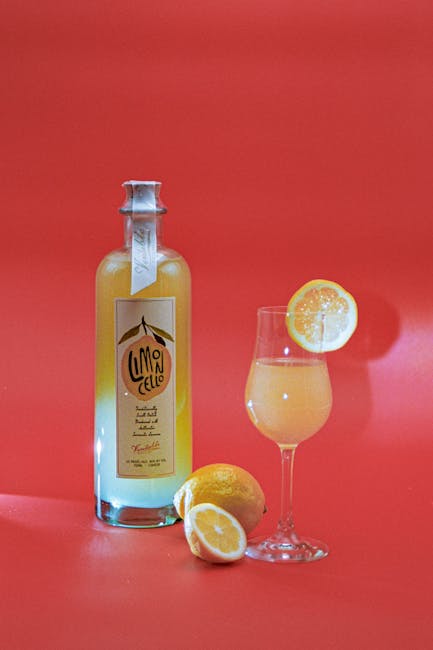
Conclusion — Bringing a piece of the Amalfi Coast back with every sip
Choosing the best bottle of artisanal limoncello on the Amalfi Coast is above all about listening to your senses and favoring authenticity. Between Amalfi, Ravello, Positano, Sorrento and Capri you’ll find varied styles — from bright, explosive limoncellos to rounder, mellower versions — each reflecting a terroir, a hand and a family story. Technical criteria (lemon origin, maceration method, alcohol level) are solid guideposts, as are visual signs of artisanal production: small batches, handwritten labels, traditional closures.
Remember that the best limoncello isn’t necessarily the most expensive; it’s the bottle that transports you back to the moment you tasted it: on a terrace facing the sea, after a meal in a family-run restaurant, or at the end of a distillery visit. Take advantage of local tastings, ask producers questions, and always buy from shops or workshops that let you taste. For transport, protect your bottle for ferries or flights, and at home keep it cold to preserve its essential oils.
Let limoncello become a bridge between you and the Amalfi Coast: give it as a souvenir, serve it at a dinner with friends, or save it for moments when you want to evoke the Mediterranean sun and the salty cliff air. Each artisanal bottle is a small capsule of local soul; choose carefully and you’ll bring home not just a liqueur, but a story, a technique and a taste that will make you travel every time you pour a glass.