





Introduction — Terraced Gardens: Where Nature Embraces the Sea
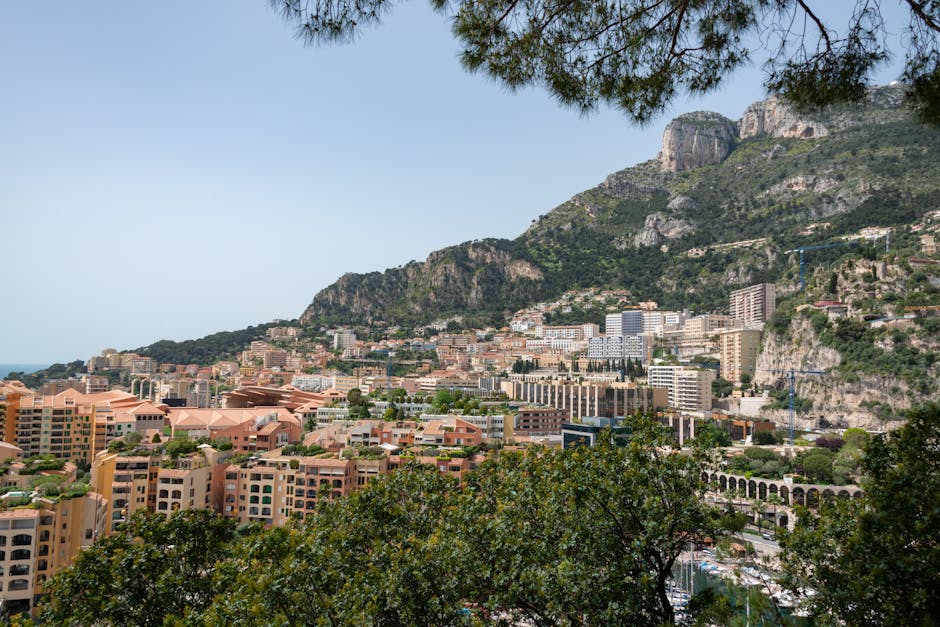
The Amalfi Coast is a ribbon of cliffs, whitewashed villages and azure waters where people, over centuries, learned to tame steep slopes to grow both beauty and sustenance. The terraced gardens are the purest expression of that craft: stone retaining walls, narrow steps, arches draped in bougainvillea and citrus trees, and stepped vistas opening out to the sea. Whether explored as strolls or studied as agricultural systems, these gardens reveal a close relationship between land and sea, between human labor and nature’s spectacle.
In this practical yet detailed guide we’ll visit a selection of emblematic terraced gardens and routes on the Amalfi Coast and its immediate hinterland: the Ravello villas (Villa Rufolo and Villa Cimbrone), nearby botanic gardens like the Giardino della Minerva in Salerno, and the famous lemon-lined paths between Maiori and Minori. For each spot I give exact addresses, opening hours, up-to-date indicative prices (2024 rates), immersive descriptions and local tips: best times for photos, accessibility level, recommended clothing and footwear, and how to combine a visit with lunch or a boat trip.
Terraced gardens on the Amalfi Coast are meant to be savored slowly: this isn’t a checklist of quick stops, it’s a place to pause, listen to the sea breeze through citrus leaves, and watch a gull skim the tops of the laurel trees. They’re also living laboratories of Mediterranean biodiversity: orange and lemon trees (including the Sfusato Amalfitano), fig trees, terraced vines, aromatic herbs (rosemary, savory, lavender) and lush flowers that brighten the stone walls. And they tell stories: noble Renaissance villas, medieval monasteries and old limonaie (lemon groves) that once fed the local economy. In this guide you’ll find the practical info plus routes and ideas to turn a visit into a memorable experience.
Villa Rufolo (Ravello) — Landscape history facing the sea
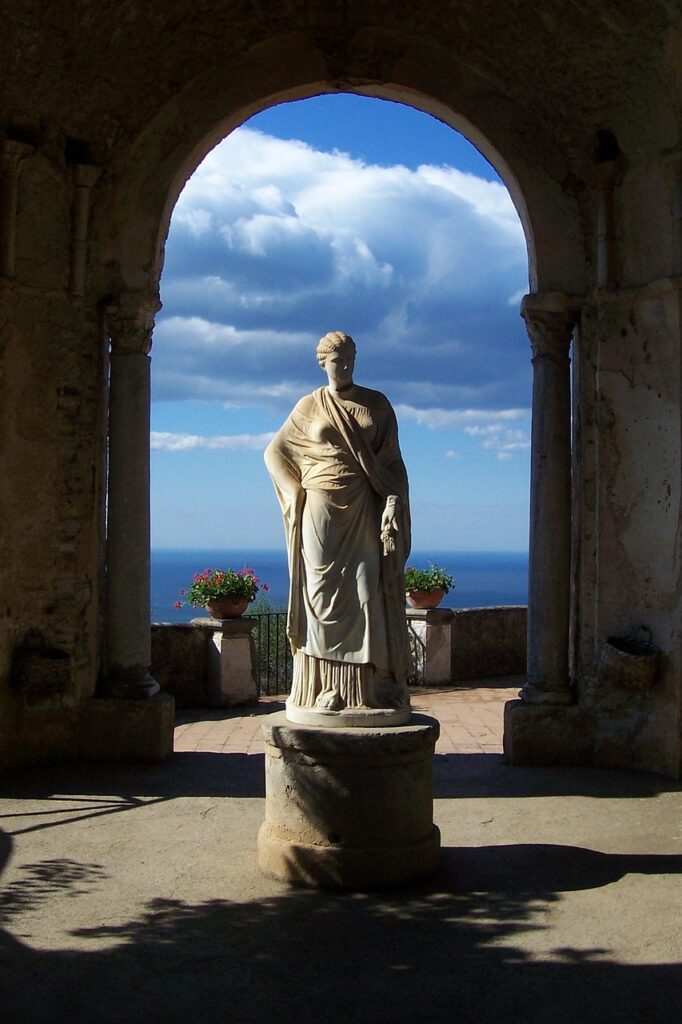
Villa Rufolo is a must-see among the Amalfi Coast’s terraced gardens. Perched in the hilltop village of Ravello, it occupies a spectacular position that has inspired composers and poets since the 19th century. Address: Piazza Duomo, 5, 84010 Ravello (SA), Italy. The gardens unfold across a series of terraces planted with citrus trees, bougainvillea, roses and olive trees, framed by medieval arcades and belvederes that look out over the sea. The most famous viewpoint — the “Loggia del Parco” — is a natural balcony onto the Bay of Amalfi.
Opening hours: generally open daily. Indicative 2024 hours: 09:00–19:00 (May–Sept), with reduced hours in low season (check before you go). Indicative prices: full ticket around €8, reduced around €5 (students/seniors), occasional free admission for children; concerts and events (Ravello Festival) may have special pricing. Tickets are available on site or online via the official Festival/municipal site.
Immersive description: entering from the Piazzetta you climb steps that lead through a succession of terraces; each level has its own scent profile — lemon blossom, the saline breath of the sea and the sweetness of jasmine — punctuated by the trickle of a small fountain. Weathered dry-stone walls double as natural benches. Photographers should aim for late afternoon: the low sun grazes the facades, bringing out the texture of the stone and the bright hues of the citrus trees.
Local tips: wear closed shoes with a good grip (many uneven steps), bring water and a hat in summer, and visit early morning or late afternoon to avoid the crowds. Combine your visit with lunch at Ristorante Rossellinis (P.co Rufolo, 1, 84010 Ravello — reservations recommended) or a coffee break on Piazza Duomo.
Villa Cimbrone (Ravello) — Panoramas, sculptures and ancient gardens
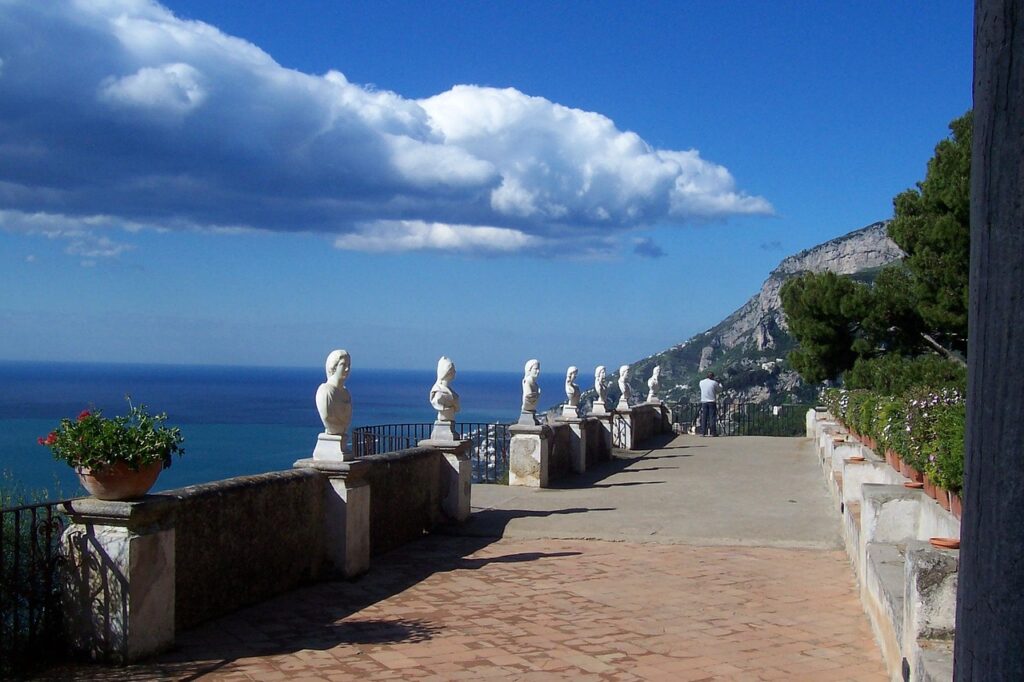
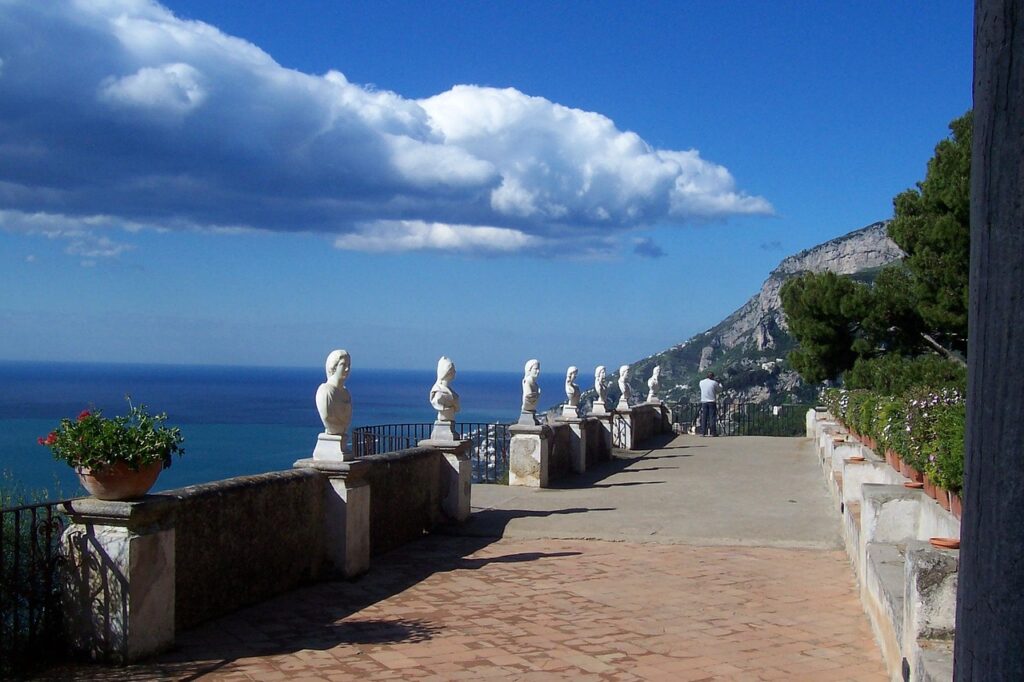
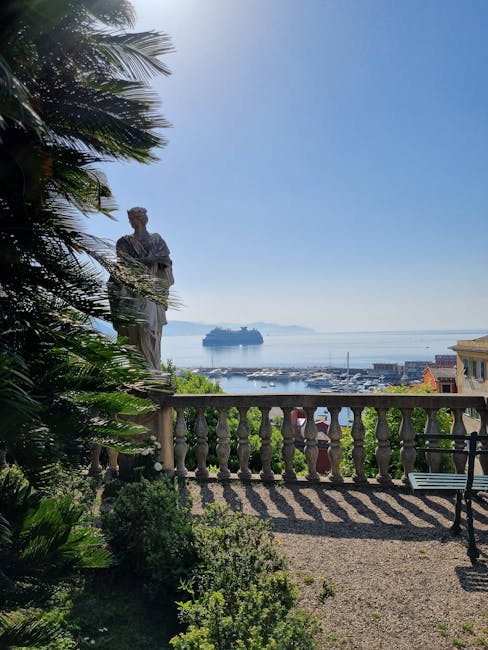
Villa Cimbrone is just a short walk from Villa Rufolo and offers another outstanding example of terraced gardens. Address: Villa Cimbrone, Via Santa Chiara, 26, 84010 Ravello (SA), Italy. The site is especially famous for its “Terrazza dell’Infinito,” a cliffside terrace adorned with busts and ancient stones that provides one of the most photographed views on the Amalfi Coast.
Opening hours: generally open daily. Indicative 2024 hours: 09:30–18:00 (high season), reduced hours off-season. Indicative prices: full ticket around €8–€12 depending on exhibitions and which garden areas are open (2024 rates to be confirmed on site). Villa Cimbrone also offers tearooms and sometimes private concerts; terrace access can be limited when private events take place.
Immersive description: the route winds through groves of laurel, pergolas laden with wisteria and roses, maritime pines and small scattered sculptures acting as punctuation marks. Stone walls, gravel paths and shaded benches invite lingering. The Terrazza dell’Infinito, lined with romantic busts, feels suspended above the void: there you vividly sense the dialogue between human creation and the vastness of the sea.
Local tips: the site includes slopes and staircases — accessibility is limited for wheelchairs; bring a light jacket even in summer, as the sea breeze can be cool. Book tickets online on busy days (July–August) and pair your visit with a wander through Ravello’s historic center.
Sentiero dei Limoni (Maiori–Minori) and the limonaie — productive gardens by the sea
The Amalfi Coast’s agricultural terraces aren’t just scenic: they long supported the local economy, notably through the limonaie — lemon greenhouses and groves that produce the famed Sfusato Amalfitano. The most accessible and evocative stretch is the Sentiero dei Limoni, the Lemon Path, linking Maiori and Minori and winding through terraced gardens, stone walls and pergolas heavy with fruit.
Approximate starting point and address: Maiori, Via Nuova Chiunzi, 84010 Maiori (SA) — the trail starts on the outskirts of the historic center and leads to Minori for about 3–4 km depending on the chosen route. Hours: trail open year-round. Cost: free. Some private gardens offer guided tours or tastings (price varies, often around €10–€20 for a tasting plus tour).
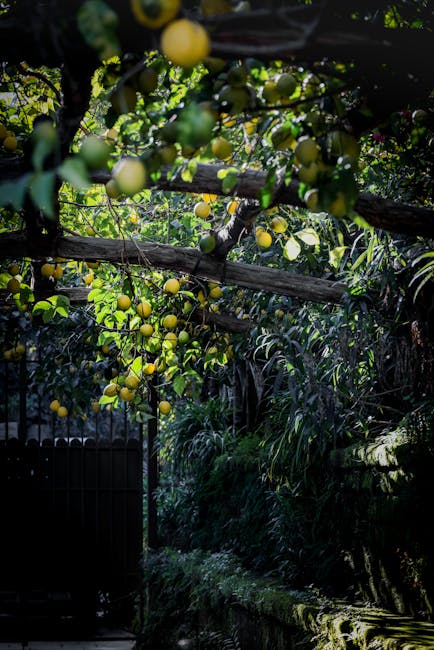
Immersive description: walking the Sentiero dei Limoni means entering a landscape woven with wire supports for pergolas and arches of lemon trees that filter the light. The scent of leaves and zest, the vivid yellow of fruit against the deep blue sea, and the drone of insects create an almost hypnotic atmosphere. You’ll sometimes pass old limonaie covered with glass or tiles designed to protect the fruit in winter and extend the harvest season.
Local tips: wear comfortable walking shoes and bring water; protect yourself from the sun. For a deeper experience, check with the Maiori tourist office (Via Amendola, 84010 Maiori) about private limonaia visits and limoncello-making workshops, often offered in high season. The best times to visit productive gardens are during the spring blossom and the autumn–winter harvest, according to the local agricultural calendar.
Giardino della Minerva (Salerno) and terraced botanic gardens
To round out your exploration of terraced gardens, don’t miss the Giardino della Minerva in Salerno, a historic botanic garden that reflects the region’s medical and horticultural traditions. Address: Giardino della Minerva, Largo San Pietro a Corte / Via Duomo, 29, 84121 Salerno (SA), Italy. Renovated and open to the public, this garden is an urban terraced example filled with medicinal and aromatic plants and offers perspectives toward the Bay of Salerno.
Hours: generally open daily; indicative 2024 hours: 09:00–18:00 (hours vary by season). Indicative prices: free or a small suggested donation (often €3–€5 depending on educational events). The garden is often included in cultural routes with Salerno Cathedral and the historic center.
Immersive description: ramps and levels, beds of sage, lavender, thyme and roses, stone supports and benches where students and visitors come to read. Minerva’s distinctive feature is its educational mission: each terrace is organized by plant families, with explanatory panels and a sensory route. The view over the Gulf of Salerno is a reminder that even urban gardens remain physically and culturally tied to the sea.
Local tips: pair the visit with lunch in Salerno’s historic center (Via dei Mercanti) and a stroll along the Lungomare Trieste. Families will enjoy the frequent educational workshops — check the municipality’s website for events.
Conclusion — How to make the most of the Amalfi Coast’s terraced gardens
The Amalfi Coast’s terraced gardens invite you to slow down and pay attention. To get the most from them: plan visits outside peak hours (early morning or late afternoon), favor shoulder season for more privacy, wear shoes suited to many steps and uneven trails, and double-check opening times and prices in advance (local events and festivals often change access conditions). Bring water, a hat and a camera — and maybe a notebook if you like to sketch or jot down plant names and landscape impressions.
If you want to dig deeper: combine public sites (Villa Rufolo, Villa Cimbrone) with private experiences — a limoncello tasting in a limonaia, a botany workshop at the Giardino della Minerva, or a guided botanical walk along the Sentiero dei Limoni. Also consider sea connections: many villas and gardens reveal themselves in a different light from the water — a sunset boat crossing transforms the viewpoint and highlights the terraced geography, the signature landscape of the coast.
Finally, respect these places: many gardens are fragile and maintained by small teams and volunteers. Stay on the paths, don’t pick fruit or flowers without permission, and favor local producers for souvenirs (lemon products, olive oil, aromatic herbs). With a curious and respectful attitude you’ll leave not only with photos but with a living memory of a landscape where nature and the sea have been married to human labor, creating some of Europe’s most moving terraced gardens.