





Introduction
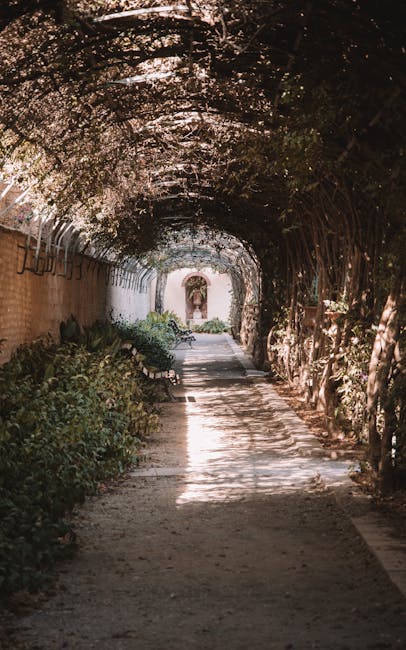
The Amalfi Coast is more than a string of picture-perfect villages clinging to cliffs above the Tyrrhenian Sea — it’s a landscape of tucked-away terraces, scented cloisters and terraced orchards that tell centuries of Mediterranean history. Between sun-bleached facades and narrow alleys you’ll find pockets of green that offer a sensory pause: citrus and jasmine scents mingling with sea spray, a play of light and shadow on stone walls, and viewpoints that turn every step into a small, intimate discovery. These gardens, often quieter than the main tourist sights, make for secret strolls ideal for daydreaming, photography and contemplation.
In this guide I’ll lead you to those hidden green spaces — from Ravello’s famous terraces to Amalfi’s cloisters, from Positano’s public gardens to the ruins of a Roman villa in Minori. You’ll find immersive descriptions, exact addresses, entry fees and opening hours — practical details to plan your outings. Beyond the logistics, I’ll share local tips: when to arrive to avoid crowds, which paths give the best views, and how to behave to protect these fragile places.
The Amalfi Coast’s gardens aren’t always grand or officially listed; some are private villa hideaways, others public spots carved into dramatic panoramas. Places like Villa Cimbrone evoke aristocratic history with statues, loggias and sculpted belvederes; others, like Amalfi’s Chiostro del Paradiso, blend medieval religious architecture with historic plantings. Each garden has its flowering season, its microclimate and its best light — and that’s exactly what makes exploring them so rewarding.
Whether you’re traveling as a couple, with friends or solo, this guide will help you build secret strolls along the Amalfi Coast. I’ll give practical recommendations — which walking routes to choose to reach a perched garden, how to pair a garden visit with a local lunch, and which tickets to book in advance to skip lines. Pack comfortable shoes, a sun hat and your camera: around every corner the coast will reveal a new scene, sometimes hidden behind a wooden door, sometimes at the top of a flower-lined staircase.
Ravello: the historic gardens of Villa Rufolo and Villa Cimbrone
Ravello is often called the hill of silence — a village perched above Amalfi that is home to two of the coast’s most famous gardens: Villa Rufolo and Villa Cimbrone. These estates, about a 500-meter walk apart, embody the timeless elegance of designed landscapes — arches, fountains and belvederes framing sweeping sea views. The stroll between them is an experience in itself, dotted with cobbled lanes, small flowered squares and plunging vistas over the water.
 Click here to book a day trip to Positano, Amalfi and Ravello
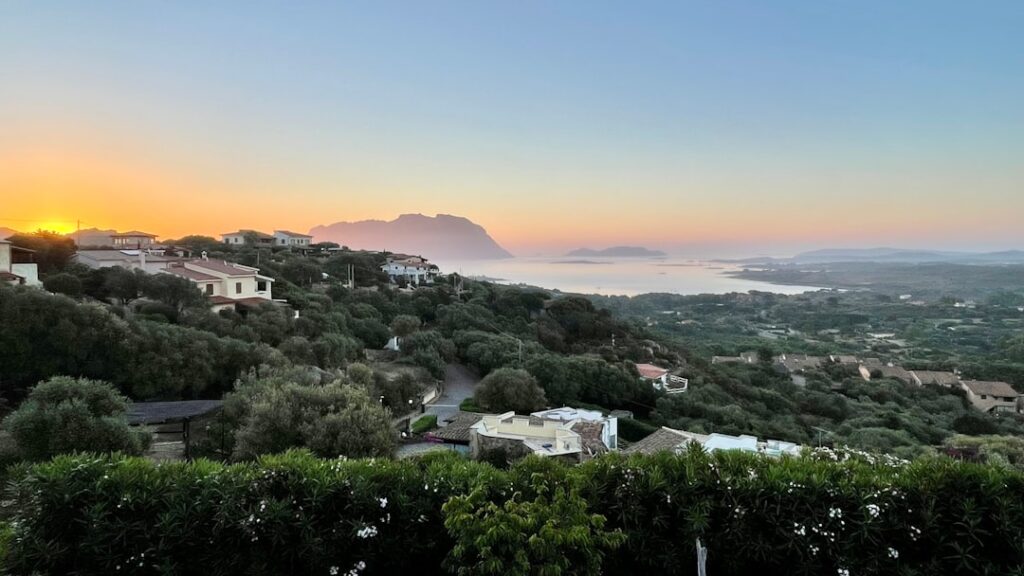
Villa Rufolo (Piazza Duomo, 84010 Ravello SA, Italy) is famous for its Moorish-style gardens and panoramic terraces. Exact address: Piazza Duomo, 84010 Ravello SA. Prices: garden and museum entry around €7 (reduced rates may apply). Opening hours: generally open from 9:00 AM to 7:00 PM (seasonal — extended in summer). Description: Villa Rufolo’s gardens mix rose beds, palms, lemon trees and Mediterranean plantings framed by arcades and towers that create dramatic frames toward the sea. The villa often hosts Ravello’s music festival on one of its terraces, giving the place a particularly artistic atmosphere. Tips: arrive at opening time for fresher light and fewer people; the main terrace offers a photogenic view over Atrani and the sea, ideal at sunrise or sunset.
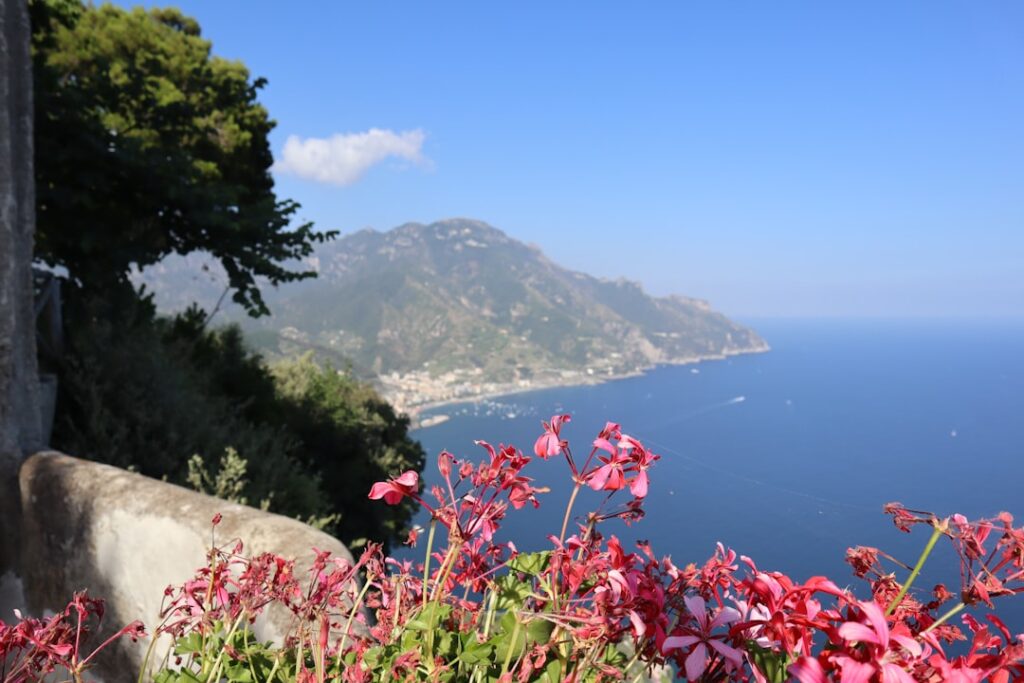
Villa Cimbrone (Via Santa Chiara, 26, 84010 Ravello SA, Italy) is located at Via Santa Chiara 26, 84010 Ravello SA. Prices: garden entry around €8 (reduced rates depending on season). Hours: often open from 9:00 AM to 7:30 PM in high season. Description: Villa Cimbrone is renowned for its Terrazza dell’Infinito, a stone cornice decorated with statues and offering a dizzying ocean panorama. Paths wind among cypresses, oleanders and elegant pergolas draped in vines. The garden features loggias, fragments of ancient sculpture and a well-maintained collection of Mediterranean plants. Practical tip: to avoid crowds, visit Cimbrone in the late afternoon; bring water and a light jacket for the wind on the upper terrace, where the view is exposed.
Positano and the Giardini di Augusto: flower mosaics and sweeping views
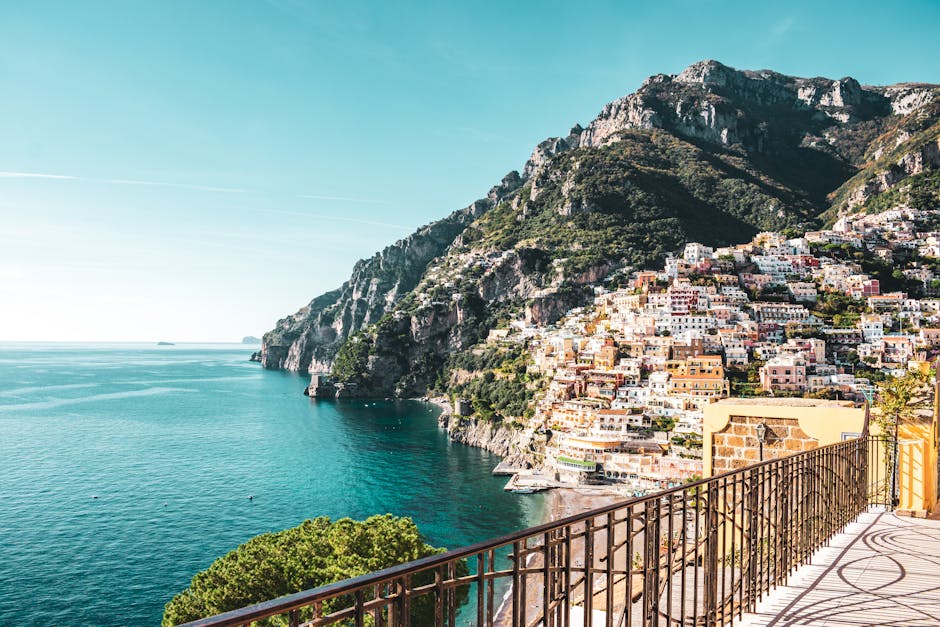
Positano is the iconic image of the Amalfi Coast — cascading houses, colorful stairways and beaches that complete an incredibly photogenic scene. In the heart of this vertical town, the Giardini di Augusto (Via Cristoforo Colombo, 84017 Positano SA, Italy) offer a public green space overlooking the sea and the famous Fornillo beach. Though more recent and compact than Ravello’s villas, the gardens are designed to frame the panorama: flower beds, mosaic details and bougainvillea-lined paths stage the view perfectly.
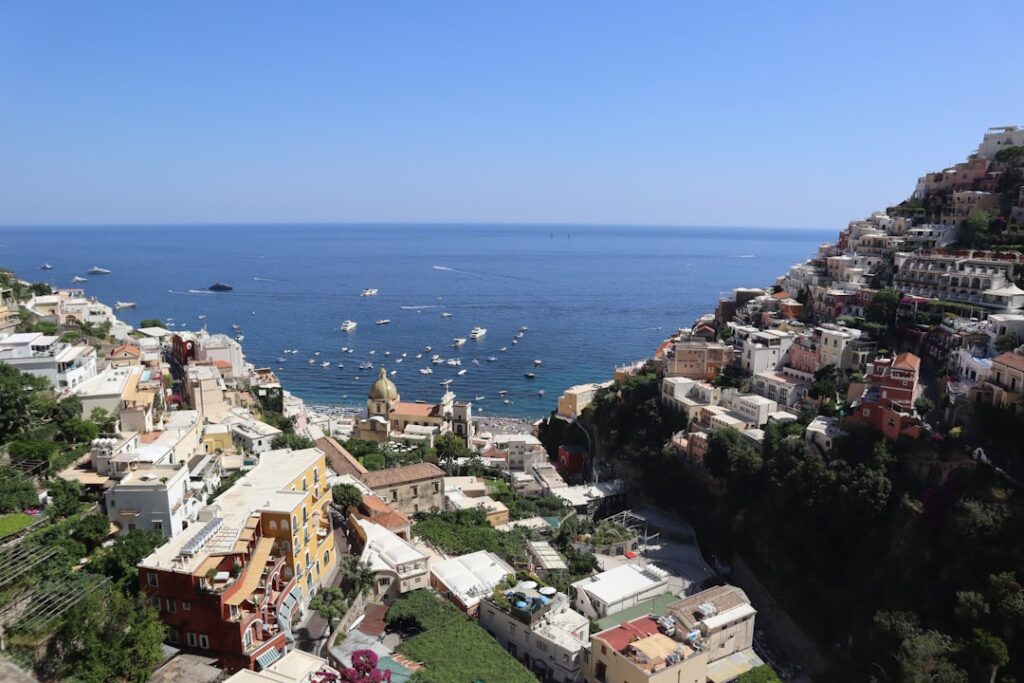
Exact address: Giardini di Augusto, Via Cristoforo Colombo, 84017 Positano SA. Prices: a small entrance fee of about €1.50 to €3 (varies by season). Hours: generally open from 9:30 AM to 7:00 PM in summer (times may change off-season). Description: the gardens are arranged on terraces that provide viewpoints over the famous Spiaggia Grande, the headland of the Path of the Gods and the surrounding cliffs. Decorative mosaics and architectural elements are sometimes preserved on-site, and benches and pergolas invite you to pause. Walking routes lead directly to Via dei Mulini and the network of steps down to the beach.
Practical tips: visiting the Giardini di Augusto early in the morning is perfect for watching Positano wake up, or late afternoon for soft light. The gardens are reached via the stairs from the upper town; if you’re coming up from the beach be prepared for many steps (wear comfortable shoes). Combine the visit with a stroll to the small church of Santa Maria Assunta (Piazza Flavio Gioia, 84017 Positano) for a fuller cultural experience. Shops and cafés nearby let you extend the break with homemade lemonade or a lemon granita.
Click here to book a boat tour in the Bay of Positano
Amalfi: the Chiostro del Paradiso and the cathedral gardens
Amalfi, once the heart of a medieval maritime republic, hides quieter treasures — notably the Chiostro del Paradiso and the gardens surrounding the cathedral. These spaces, both spiritual and botanical, offer a calm atmosphere away from the busy waterfront. The cloister preserves the elegance of medieval arcades with vegetation that has found a home among marble and mosaics.
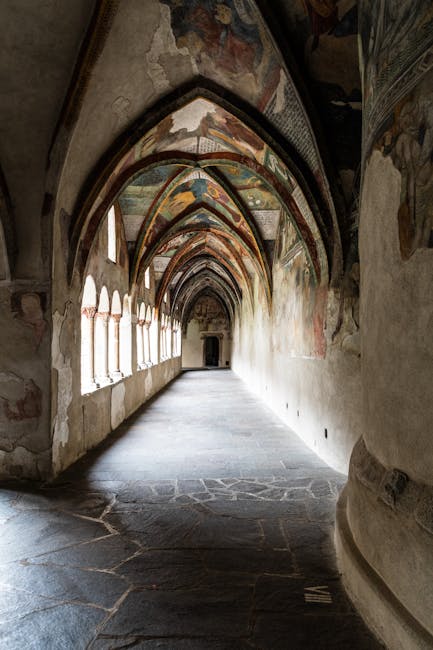
Exact address: Chiostro del Paradiso, Piazza Duomo, 84011 Amalfi SA, Italy. Prices: the Monumental Complex ticket (Duomo, Museum, Cloister) is around €3 to €5 depending on options. Hours: generally the complex is open from 9:00 AM to 7:00 PM (seasonal — check before you go). Description: the Chiostro del Paradiso is a square garden surrounded by finely carved arcades, with a small lawn, palms and shrubs that soften the stone. The setting is perfect to admire the mix of Norman, Byzantine and Arab architecture that characterizes the Cathedral of St. Andrew (Duomo di Amalfi). Nearby, small terraces planted with citrus and flowers create restful frames where it’s pleasant to sit before heading back down to the marina.
Local tips: visiting the cloister pairs well with the Duomo di Sant’Andrea (Piazza Duomo, 84011 Amalfi). For a deeper dive, book the museum and Crypta visit (combined tickets are available on site). Bring water and a light scarf if you plan to go into air-conditioned museum spaces — and observe silence rules and no-food policies in sacred areas. For photographers, morning light highlights the cathedral’s mosaics, while the cloister is especially photogenic in slanted light.
Click here to discover Amalfi and taste organic lemons
Minori and the Villa Romana: ancient remains and intimate gardens
Minori is often overlooked in favor of its flashier neighbors, but it hides an unexpected archaeological site: the Villa Romana di Minori, an ancient Roman residential complex with mosaics and green spaces that show the continuity between agriculture, habitation and the sea. The discovery of a patrician villa in the village core reveals how antiquity integrated gardens and courtyards to take advantage of the Amalfi microclimate.
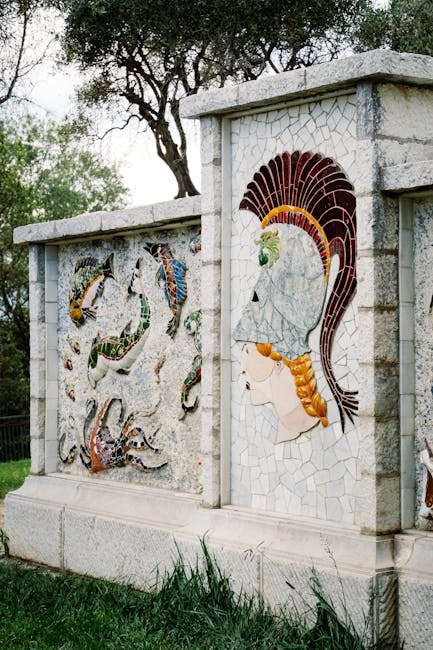
Address and practical info: Villa Romana di Minori, Via Roma, 84010 Minori (SA), Italy. Prices: entry about €3 (symbolic fare, depending on management and season). Hours: archaeological sites are often open from 9:00 AM to 6:00 PM (check the local tourist office for exact times). Description: the villa contains ruins of rooms decorated with mosaics, remains of walls and fragments of columns, complemented by a small reconstructed garden of aromatic herbs and citrus to recreate an ancient atmosphere. The contrast between ancient stones and the sea background is striking: you can sense the continuity of cultivated landscapes since Roman times.
Practical tips: the Villa Romana is an easy walk from the beach and Minori’s center. Wear closed-toe shoes to move safely on uneven ground and respect barriers around the mosaics. If you’re into archaeology, pair the visit with the local museum or ask the tourist office for a guided tour (information at the Ufficio Turistico, Piazza Torre, Minori). For a post-visit meal, try a local trattoria serving seafood and lemon-based desserts.
Click here to book the Path of the Lemons with tasting
Conca dei Marini and Monastero Santa Rosa: a cliffside garden-hotel
Conca dei Marini, small and elegant, is home to a place where luxury and nature meet: the Monastero Santa Rosa Hotel & Spa. This former monastery turned boutique hotel has terraced gardens and private belvederes that deliver moments of absolute quiet, far from the crowds. While full access to the gardens is usually reserved for guests, you can experience parts of them by booking lunch at the restaurant or joining an afternoon tea.
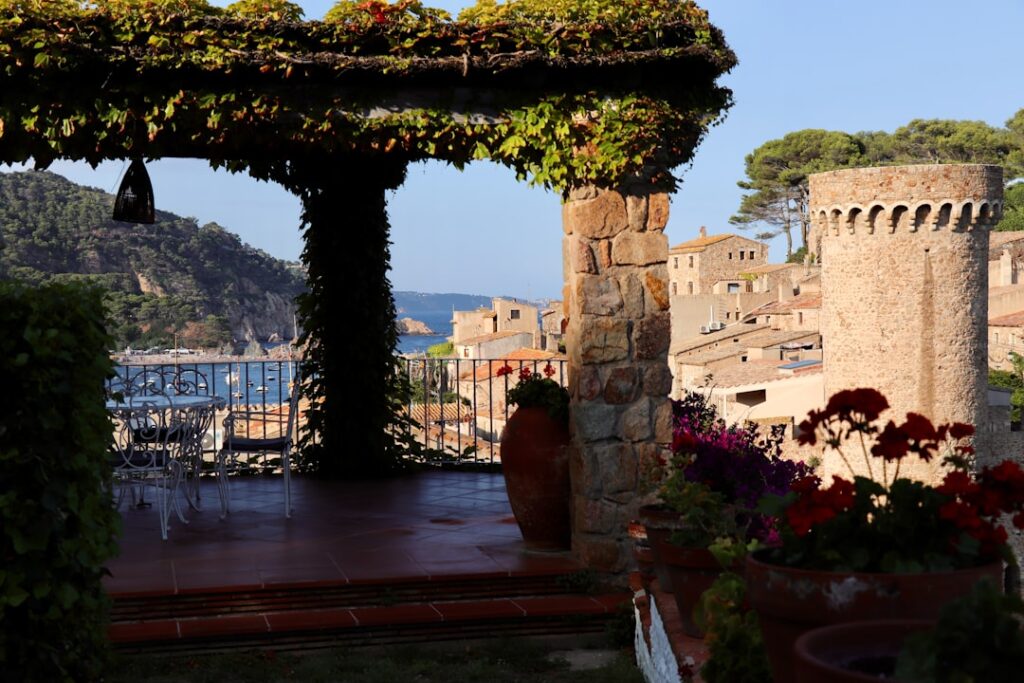
Address: Monastero Santa Rosa Hotel & Spa, Via Roma, 2, 84010 Conca dei Marini SA, Italy. Prices: garden access via the restaurant or bar — lunch from about €35 per person; spa and pool access by package (from €40 for a half-day, reservations often required). Hours: the restaurant is usually open from 12:30 PM to 3:00 PM for lunch and 7:30 PM to 10:30 PM for dinner; the spa operates by appointment (check availability). Description: the Monastero Santa Rosa’s terraces step down toward the sea, planted with citrus, olive trees and lawns dotted with loungers. The highlight is the infinity pool that visually meets the ocean; the design retains monastic elements, natural materials and a calming color palette.
Practical tips: if you’re not staying at the hotel, book a table or spa session in advance to secure garden access. The terrace views are exceptional at sunset, but that’s the busiest time — plan a mid-afternoon visit for a quieter experience. If driving, park in the village and follow the signs: the climb to the hotel can be steep, so choose comfortable shoes.
Practical tips for your secret strolls and heritage respect
The Amalfi Coast’s hidden gardens require a respectful, well-prepared approach. Here are practical, local tips to make the most of these places:
- Timing and seasons: favor visits early morning (9:00–11:00) or late afternoon (4:00–7:00) for the light and to avoid the midday crowds. In summer, gardens often stay open later; off-season some sites close earlier.
- Tickets and reservations: for Villa Cimbrone and Villa Rufolo, plan to buy tickets on-site or online when available, especially in high season. For Monastero Santa Rosa, reserve restaurant or spa services in advance.
- Transport: the coast is narrow and parking is limited. Favor trains to Salerno or Sorrento then SITA buses, or ferries to Amalfi and Positano. In Ravello expect uphill walks — shuttles can be useful.
- Gear: walking shoes, hat, sunscreen, reusable water bottle. Many gardens have stone paths or stairways.
- Respect the site: don’t pick plants, don’t cross barriers, follow signs and opening times. Some gardens host protected species and fragile archaeological remains.
- Photography: golden hour in the morning and evening is ideal. Avoid flash indoors and in museums. If you’re a professional photographer, request prior permission.
- Food and breaks: pair visits with stops at local cafés: try artisanal limoncello, lemon desserts (delizia al limone) and fresh seafood dishes. Many gardens have cafés or restaurants nearby.
Click here to taste limoncello on a guided tour
By following these recommendations, your secret strolls will become memorable moments in tune with the fragile beauty of the Amalfi Coast. Whether you seek the quiet of a cloister or the spectacle of a terrace over the sea, these hidden gardens offer an intimate reading of the coastline, away from the loudest tourist flows.
Conclusion
The Amalfi Coast’s hidden gardens are more than green spaces: they are living witnesses to history, a way of life and the close bond local communities have with this steep landscape. By visiting Villa Rufolo and Villa Cimbrone in Ravello, the terraces of the Giardini di Augusto in Positano, the contemplative Chiostro del Paradiso in Amalfi, or the ruins of the Villa Romana in Minori, you’ll uncover as many plant stories as human ones — aristocrats crafting garden aesthetics, religious communities growing medicinal herbs, and farming families maintaining terraced lemon groves.
These secret strolls demand time and slowness: walk, look up, pause under a pergola, smell a fresh lemon, read a plaque, let the sea and the light reshape your view. The precise addresses, prices and opening times provided here aim to help you plan calm, respectful visits. But beyond practical details, keep an explorer’s spirit — sometimes the best finds are through a discreet door, an overlooked stairway or a tip from a local.
Finally, remember these gardens are living and fragile. By following local rules, minimizing our impact and supporting conservation efforts (entry fees, donations, buying local), we help preserve these havens for future generations. May your trip along the Amalfi Coast be a string of suspended moments, citrus scents and engraved panoramas — and may each secret garden you meet become the start of a new story to tell.