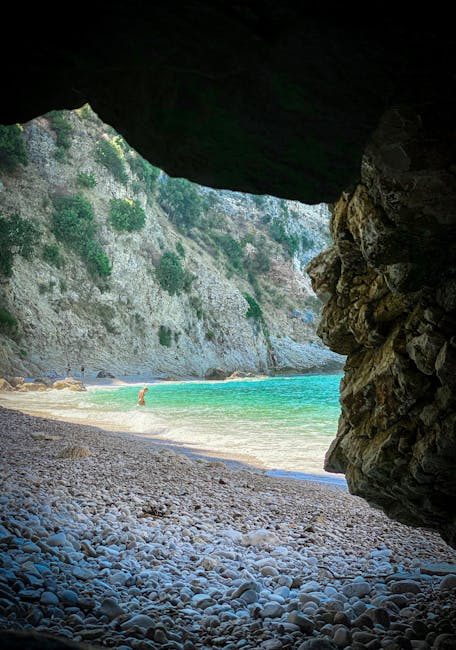






Introduction: Dawn on the Amalfi Coast — an invitation to photograph
Shooting sunrise along the Amalfi Coast means chasing the moment when the Mediterranean and the cliffs wake up together — when colors reach a saturation you rarely see anywhere else. Between Positano, Amalfi, Ravello and the cliffside hamlets, the beaches — some famous, others nearly hidden — turn into stages for a unique light: pale pinks, warm golds, and deep blues. For photographers, dawn brings three priceless advantages: soft, low-angle light that sculpts textures; a clear atmosphere without the daytime crowds; and reflections on the water that can elevate ordinary scenes into memorable images. This guide is aimed at both keen amateurs and pros looking to refine their sunrise approach to the Amalfi Coast’s lesser-known beaches.
We’ll give you precise spots — full names, exact addresses, rough prices and useful opening times — and practical, technical tips so each early-morning shoot is a success. The “secret” beaches listed aren’t necessarily unknown to locals, but they often escape the morning tourist rush if you arrive early and show respect for the place. The goal is to provide concrete markers: where to park, what time to aim to arrive depending on the season, what kit to bring, which compositions to favor, and how to work with the environment (fishermen, boats, or dramatic cliff profiles).
Shooting at sunrise also calls for responsible behavior: leave the site as you found it, don’t enter private property, respect access hours when posted, and follow local guidance about wildlife and vegetation. The Amalfi Coast is fragile — fishing nets, dry-stone walls, olive trees and colorful houses form a living ensemble. Alongside aesthetic and technical advice, this article includes practical info (addresses, approximate prices in euros, site opening hours, and tips on local mobility) to help you plan effective early-morning outings.
Finally, the article includes visual cues in the form of image markers to spark your inspiration (for example: cliff views at dawn, traditional boats in secluded coves, cathedral facades bathing in morning light). These cues are meant to help you find reference images or build moodboards before your photo sessions. Charge your batteries, format extra cards and pack patience: the Amalfi Coast at sunrise will reward you with unforgettable visuals.
Why shoot at sunrise: light, silence and unique compositions
Sunrise transforms the Amalfi Coast. Morning light is low, oblique and soft — ideal for highlighting the texture of stucco walls, stone stairways, rocks and nets draped in small harbors. Unlike the afternoon sun that can flatten contrast, dawn lets you capture subtle gradients and volumes carved by raking light. Colors gain a special intensity — the pink and yellow facades of Positano, cathedral marble, the silvery green of olive trees and the deep blue of the sea — producing a rich photographic rendering that’s easy to enhance in post.
Another big benefit is the relative quiet: before 7:00 in high season (and often before 6:00 off-season), the coast is still asleep. Quays are empty, fishing boats may still be returning, and the few early walkers add scale without crowding the frame. That calm lets you shoot long exposures, bracket without rush, and set up a tripod even on narrow surfaces (stone, jetties, small pebble beaches). It’s also the perfect time for minimalist compositions — a lone boat, an empty cove, a natural arch — which gain power from negative space and the purity of light.
Shooting sunrise takes planning. Know the exact sunrise time for your date (via weather apps or sites like timeanddate.com): arrive at least 30–60 minutes early to capture the blue hour and the transition into golden hour. In the Amalfi/Positano area the blue hour starts roughly 45 minutes before sunrise and the golden hour typically lasts 40–60 minutes depending on the location’s orientation. Weather matters: a thin cloud veil can produce fiery dawns; clear air yields deep blues and strong contrast.
Finally, the human element adds narrative depth: fishermen hauling traps, locals starting their day, cafés opening. Including these elements respectfully enriches the photographic story. Remember: respect privacy and ask permission before photographing people up close.
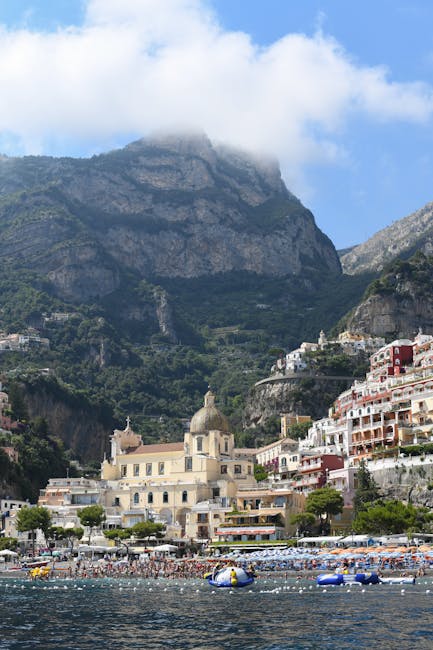
Secret beaches and coves at dawn: places, addresses and practical details
Here’s a selection of less-crowded beaches and viewpoints that offer exceptional sunrise photo opportunities. For each spot you’ll find the address, access info, opening times, a price range (when applicable) and photographic tips for the early morning.
1) Marina di Praia (Praiano)
Address: Marina di Praia, 84010 Praiano SA, Italy.
Access: limited parking along the SS163, then a descent of about 150 steps or access by boat from Positano/Amalfi.
Opening hours: public access 24/7; local shops and cafés generally open from around 7:30.
Price: partly free beach; sunbeds/lidos (seasonal) ≈ €20–40 per day.
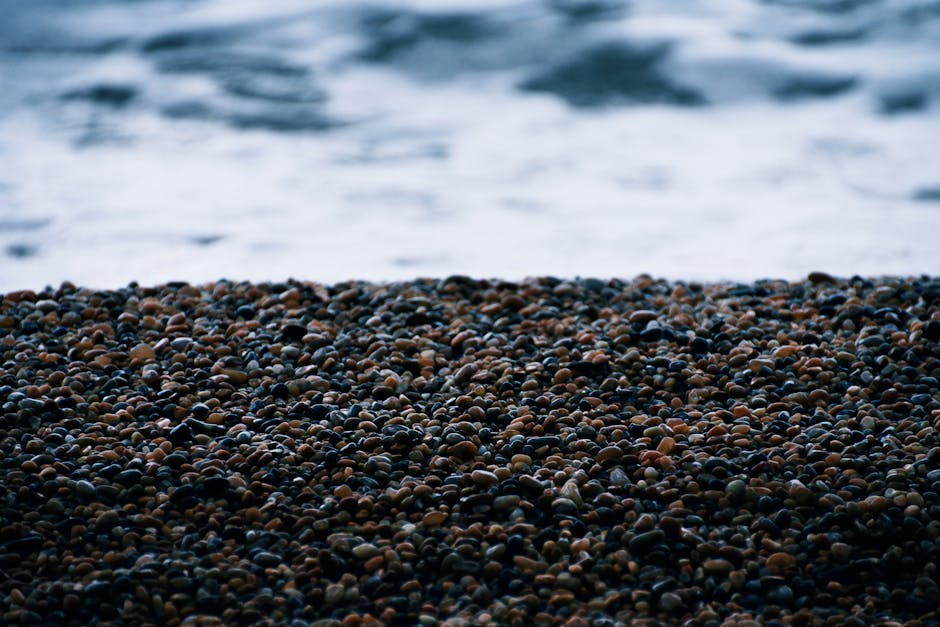
Description: Marina di Praia is a small rocky cove sheltered by cliffs. At sunrise, the limestone face takes on soft hues and small colorful boats stand out on calm water. The beach is a mix of pebbles and concrete platforms that allow a stable tripod. Perspectives here are great for silhouettes or to capture raking light on the rocks.
Photo tip: arrive 45 minutes before sunrise to catch the blue hour; use slow shutter speeds (1/4 to 1/2 s) to slightly soften the waves and elongate reflections. Watch for fishing nets and slippery rocks.
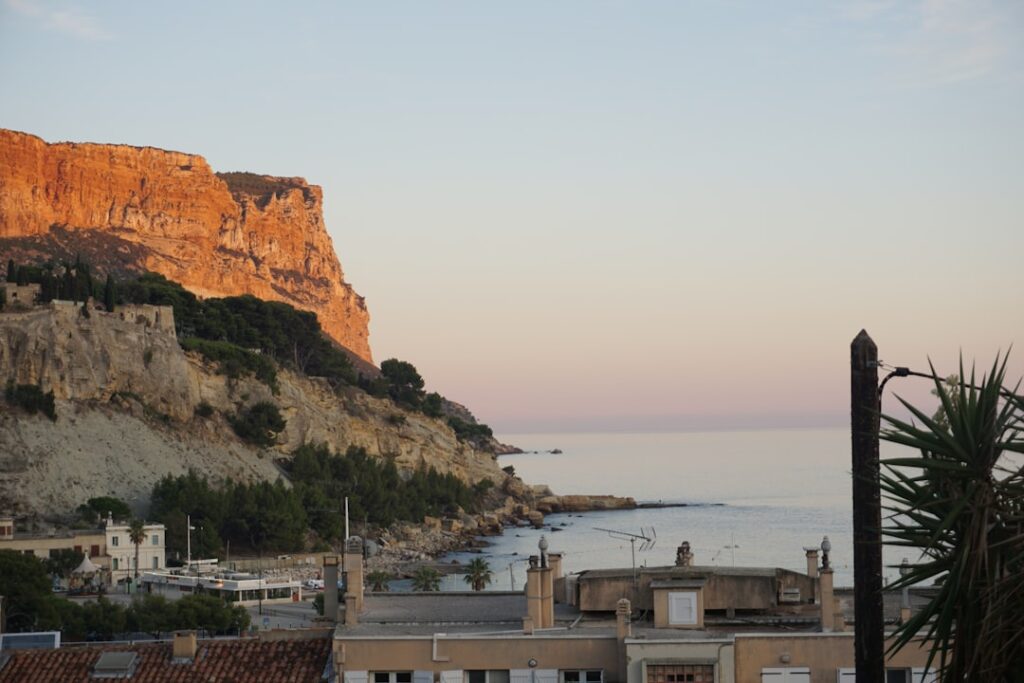
2) Spiaggia di Fornillo (Positano)
Address: Fornillo, 84017 Positano SA, Italy. Access from Via Fornillo or a path from Spiaggia Grande (about 10–15 minutes on foot).
Opening hours: public access 24/7; establishments (bagni) ≈ 8:00–20:00 depending on season.
Price: mostly public beach; umbrella/sunbed in a lido ≈ €20–45 per day depending on location.
Description: Fornillo is a quieter pebble beach than Positano’s Spiaggia Grande. Framed by pastel houses and zigzagging steps, it offers at sunrise a perfect angle on Positano’s vertical silhouette. The first rays light the façades and create dramatic backlighting. Ideal for vertical panoramas, environmental portraits and architectural details at the water’s edge.
Photo tip: favor a wide-angle lens (24mm or wider) to capture the bay’s scale, and use a tele for interesting compressions between houses and cliffs.
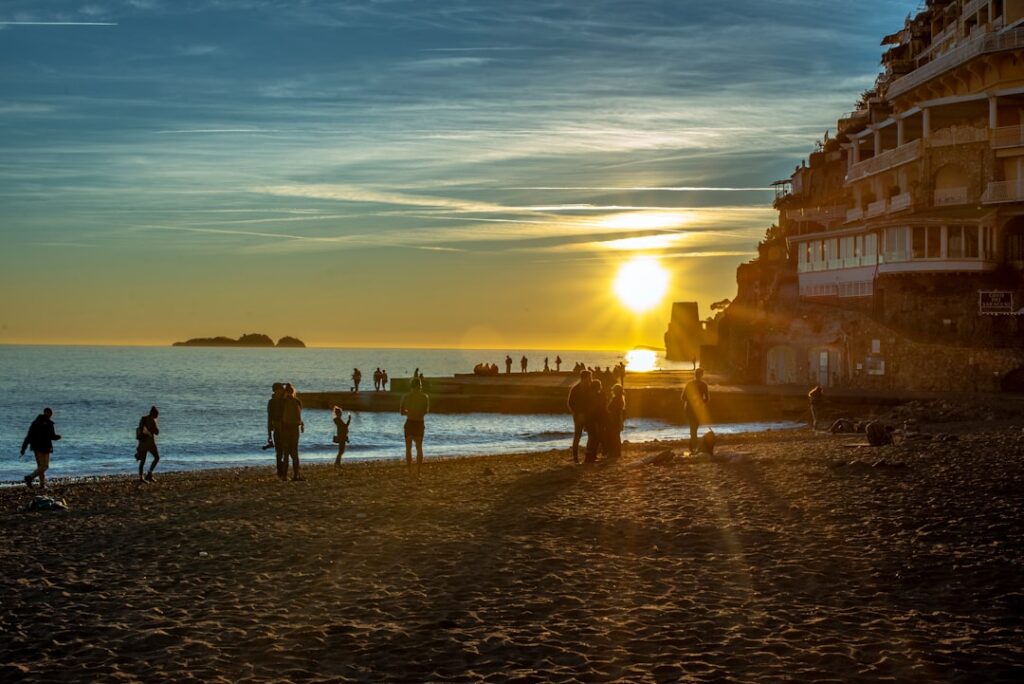
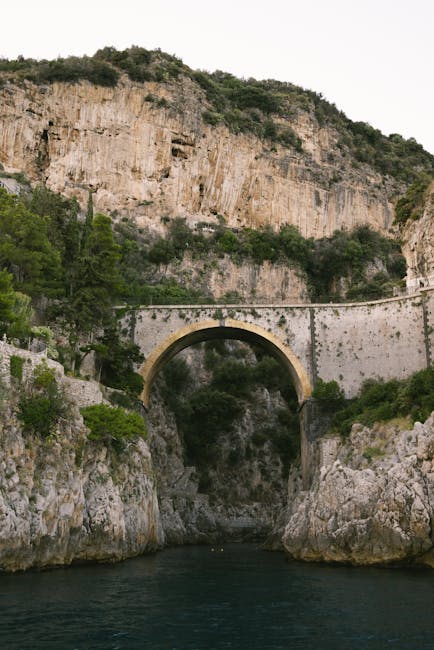
3) Fiordo di Furore (Furore) — the fjord beach
Address: Fiordo di Furore, 84010 Furore SA, Italy. Access: limited parking along the SS163, stairs and a bridge down into the fjord.
Opening hours: natural site accessible 24/7; pedestrian bridge reachable from dawn.
Price: free access; local guided tours vary ≈ €10–30 if organized activities are available.
Description: The Fiordo di Furore is likely one of the coast’s most photogenic spots: a narrow gorge where the sea flows between steep cliffs. At sunrise, the shadow/light contrast creates exceptional depth. Local fishermen and small boats add human scale. Morning colors, often slightly misty, lend a near-mystical atmosphere.
Photo tip: shoot from above for a wide view, then descend for tight shots of the water surface. Use exposure bracketing to balance the brightness difference between the fjord floor and the cliff ridges.
4) Spiaggia di Atrani (Atrani) and its lanes
Address: Piazza Umberto I, 84010 Atrani SA, Italy (Atrani’s main beach).
Access: local bus stop or a 10–15 minute walk from Amalfi. Very limited parking — prefer the SITA bus or ferry from Amalfi.
Opening hours: public access 24/7; cafés and shops ≈ 7:00–22:00.
Price: public beach free; private bagni ≈ €15–35 per day.
Description: Atrani, a small village next to Amalfi, has a compact beach framed by low houses and stairways that drop to the sea. The atmosphere is intimate and perfect for architecture shots bathed in golden light. At sunrise, Piazza Umberto I has a calm aura that suits compositions featuring urban elements (arches, lamp posts, colorful signs).
Photo tip: use leading lines created by steps and alleys for graphic compositions. The contrast between white/ochre façades and the blue sea is especially photogenic.
5) Spiaggia di Minori (Minori) and the coastal road
Address: Lungomare Marconi, 84010 Minori SA, Italy.
Access: seafront walkable; parking along the main road (paid).
Opening hours: public beach 24/7; shops typically open early (around 7:00).
Price: free access; lidos ≈ €20–40 per day.
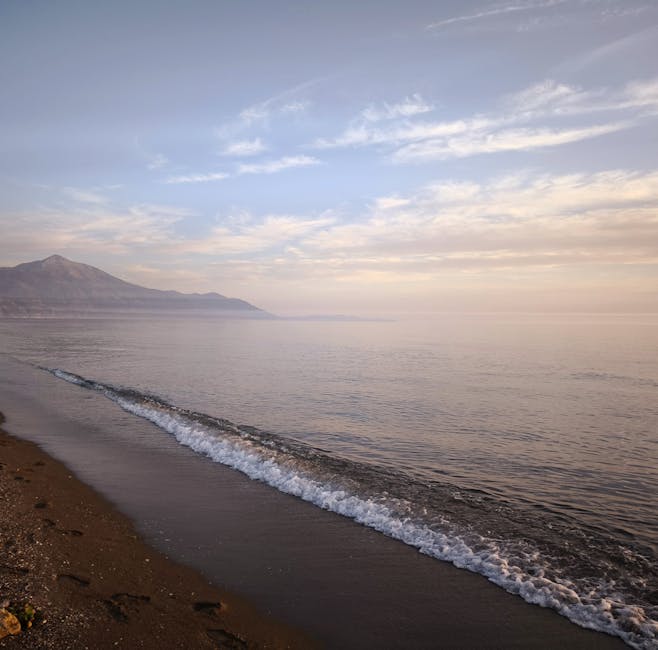
Description: Minori offers a mix of pebbles and fine sand with a pleasant promenade and the Basilica of Santa Trofimena (Piazza Umberto I) nearby. The first light creates a clean separation between sea and town architecture. Great for reflections, silhouettes and morning-life scenes (cafés, bakers, fishermen).
Photo tip: shoot backlit to produce crisp silhouettes against the morning sky, and don’t forget close-up detail shots (pastries, cups, hands) for documentary series.
6) Arienzo Beach (Spiaggia Arienzo), trails and viewpoints
Address: Via Arienzo, 84017 Positano SA, Italy. Access: stairs from the SS163 (more than 400 steps from lower Positano), or by boat.
Opening hours: public access; some private entry points (bagni) open around 8:00.
Price: partial paid access for sunbeds ≈ €25–50 per day; viewpoint access is free.
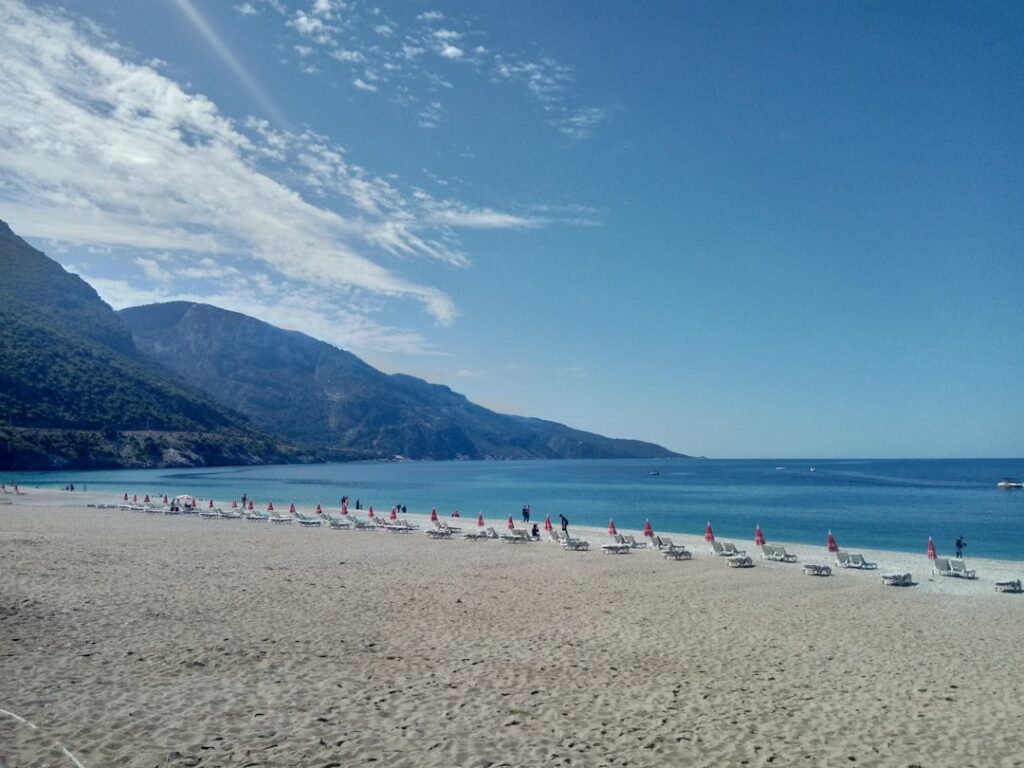
Description: Arienzo is known for its terraces and small viewpoints offering plunging vistas. The beach is often less busy than Spiaggia Grande because of the effort required to reach it, making it ideal for sunrise. Stair lines create graphic patterns; the panoramic view of Positano lit by raking light is spectacular.
Photo tip: because of the steps, use a compact camera bag and a lightweight tripod. Work the stair silhouettes and the repetition of architectural motifs at dawn.
Techniques and gear for dawn: how to get memorable images
Basic gear: a camera with good low-light performance, at least one wide-angle lens (16–35mm or a 24mm), a mid-telephoto (70–200mm) for compressing elements, and a sturdy tripod. Bring an ND filter (for long exposures at sunrise), graduated filters to balance sky and sea, and a remote shutter release to avoid shake. Pack spare batteries (cold mornings and long use sap power) and multiple memory cards.
Recommended settings: during the blue hour, shoot at low ISO (100–400) and use long exposures (from 1/2 second to several seconds) to smooth the water. In the golden hour, increase shutter speed to freeze waves (1/250–1/1000s) or slow down for a silky effect (1/4–1s). Exposure bracketing (±1 or ±2 EV) is invaluable to capture the dynamic range of sunrise; assemble HDRs in post if needed. For compositions with people in the foreground, favor a medium aperture (f/5.6–f/11) to keep adequate sharpness without heavy diffraction.
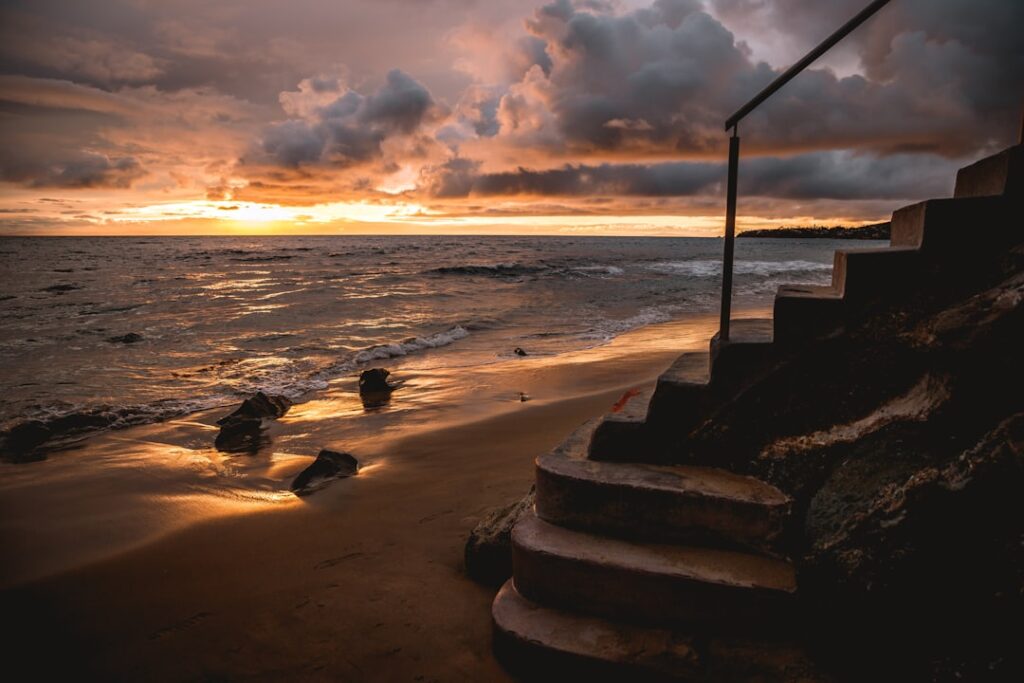
Composition and creativity: use natural leading lines (stairs, jetties, breaking waves) to guide the eye. Apply the rule of thirds — but don’t hesitate to center when symmetry or reflections call for it (e.g., a boat and its reflection). Calm-water reflections create near-mirror compositions at sunrise; find breaking points (a lone rock, a line, a buoy) to add a focal interest. Vary your framing: wide panoramas, close-ups of pebbles or nets, and environmental portraits of artisans or fishermen. Consider vertical panoramas for cliffside villages (Positano, Praiano) — they work nicely for Instagram verticals or fine-art prints.
Post-processing: correct exposure and give highlights some breathing room without crushing shadows. White balance can be shifted to warm the scene (6000–7000K) or cool it (5000–5500K) depending on the mood you want. Use luminance masking to enhance the horizon or foreground without affecting the whole frame. And consider physical prints: marine sunrises often look fantastic large-format, with matte or baryta finishes emphasizing soft tones.
Logistics, safety and local best practices
Getting to the Amalfi Coast at dawn takes planning. In high season (June–August) the SS163 roads are busy — allow extra time for traffic jams. Parking is scarce and often paid (blue zones): prefer official car parks (e.g. Parcheggio Mandracchio in Amalfi, Largo Darsena 84011 Amalfi) or public transport. SITA buses link Positano, Praiano, Amalfi and Ravello with increased frequency in summer; a single ride costs roughly €1.80–2.50 (varies by distance and season). Ferries and hydrofoils (operators like Travelmar, NLG) connect Positano and Amalfi by sea: fares ≈ €6–15 depending on route and season. Check timetables on official sites (e.g. travelmar.it, nlg.it).
Useful opening times for a few sites mentioned:
– Cattedrale di Sant’Andrea (Amalfi) — Piazza Duomo, 84011 Amalfi SA — Approx. hours: 9:00–19:00; entrance to the Duomo and cloister ≈ €3–5.
– Chiesa di Santa Maria Assunta (Positano) — Piazza Flavio Gioia, 84017 Positano SA — Hours: 9:30–19:00; free visit with optional donation.
– Villa Rufolo (Ravello) — Via Santa Chiara, 84010 Ravello SA — Hours: 8:30–19:00 (high season); ticket ≈ €7–10.
These times can change off-season or during special events; always double-check before visiting.
Safety and respect: cliffs and stairs can be slippery in the early morning (dew, algae). Wear good-grip shoes, avoid unmarked areas and don’t lean past safety barriers. Respect opening hours for private sites (bagni, lidos) and signs forbidding access to certain coves. Don’t disturb local fishing: don’t touch nets without permission and avoid spooking boats. Carry a small bag for your trash and respect residents’ peace.
Accommodation tips for early-risers: choose lodging higher up (terraces and east-facing balconies) to reduce travel time to sunrise spots. Examples: Hotel Marina Riviera (Via Marina Grande, 84011 Amalfi) — rooms with views, rates ≈ €120–300 depending on season; Casa Buonocore B&B (Via G. Marconi, Positano) — budget/character options. Book ahead in high season and ask about early departures — some places offer takeaway breakfasts for early shoots.
Conclusion: plan, respect and let the Amalfi Coast inspire you
Shooting the Amalfi Coast’s secret beaches at sunrise is deeply rewarding but demands effort. It requires preparation — scouting locations, checking sunrise times, packing the right gear — and humility: respect the environment and the people who live there. The rewards match the effort: exceptional light, intimate atmospheres and near-limitless creative possibilities. Each cove brings its own formal and narrative opportunities — from a wide shot of Positano bathed in pink light, to a textured close-up of fishing nets at Marina di Praia, to a lone silhouette in the Fiordo di Furore.
Practically, arrive early (at least 30–60 minutes before sunrise), bring a tripod and spare batteries, and alternate between wide scenes and details. Use techniques like bracketing to handle the sky-sea dynamic and include people to give scale and story to your images. Don’t forget logistics: transport (SITA buses, ferries), parking, and local opening times. Note the key addresses mentioned here (Marina di Praia, Piazza Duomo Amalfi, Via Arienzo Positano, Lungomare Marconi Minori, Fiordo di Furore) and verify seasonal hours and prices before heading out.
Beyond technical rules and logistics, allow yourself to be moved by dawn: watch the color shifts, listen to the quiet and be patient. Some images only happen through repetition and waiting. Respect the places, chat with locals when appropriate, and bring back series of images that tell not just of beauty but of the Amalfi Coast’s soul. Finally, share your work responsibly: credit locations, encourage environmental respect and inspire other photographers to discover these secret beaches without harming them. Safe travels and happy sunrises.