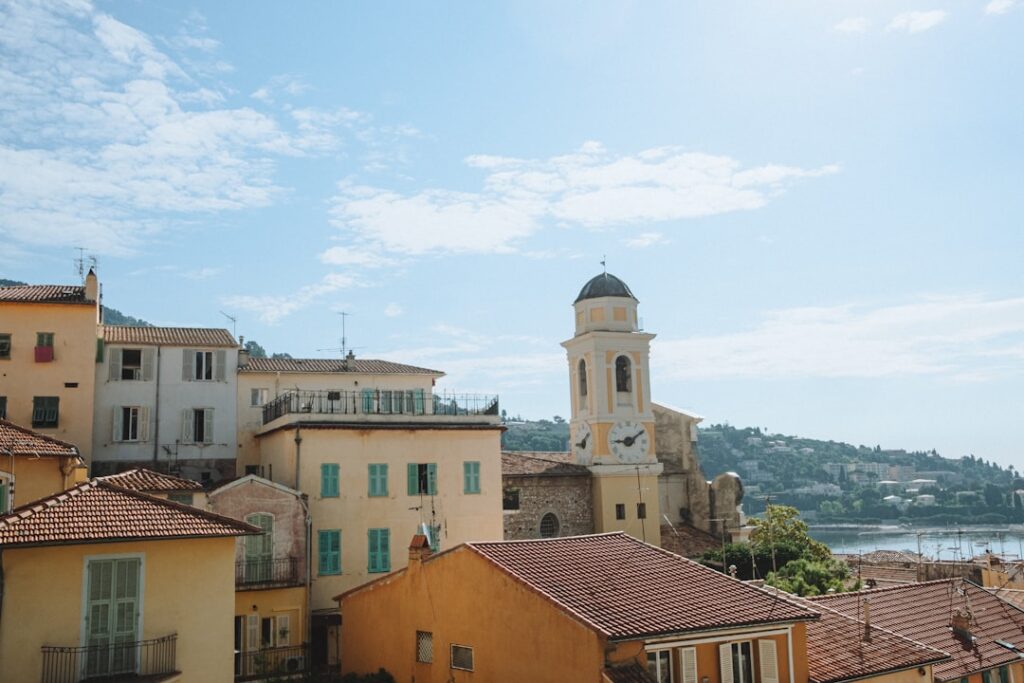






Introduction: Southern Weaves — A journey into the heart of Amalfi Coast textiles
Along the Amalfi Coast, between cliffs that plunge into deep-blue seas and terraced gardens, there’s another, less obvious heritage that’s just as evocative: weaving, embroidery and traditional textiles. These fabrics tell stories of maritime routes, Mediterranean exchanges, artisan families who passed down techniques and motifs, and a local landscape shaped by Arab, Byzantine and European influences. Decorative cloths, hand-embroidered table linens, delicately dyed linen curtains and pieces made from local silk are all witnesses to a culture of craftsmanship and attention to detail.
This article invites you on an immersive route through workshops and museums across the Amalfi Coast: Amalfi, Ravello, Minori, Maiori, Atrani and Vietri sul Mare. We’ll explore the history of the techniques, the materials favored by artisans (linen, cotton, silk and blended fibers), traditional motifs (arabesques, floral patterns and marine symbols) and local uses (house linens, liturgical ornaments, festive costumes). You’ll also find precise addresses for workshops and cultural sites, opening hours, entry fees, and practical tips for appreciating, buying or even learning these textile arts.
Beyond visits, the Amalfi Coast offers sensory experiences: feeling aged fabrics in the dim light of a workshop, smelling freshly washed linen, watching Mediterranean light dance across natural dyes, hearing the click of a loom. These moments help make clear that textiles are not merely functional: they’re memory, identity and local economy. Whether you’re a collector, designer, curious traveler or casual visitor, you’ll come away with a new sensitivity for these materials and a list of shops and studios to visit.
Finally, we cover concrete advice for traveling light while bringing home authentic pieces: how to recognize handmade work, what prices to expect and negotiate, how to check fiber provenance, and what steps to follow to transport bulky or fragile items by plane. We’ll also include practical details — exact addresses, opening hours and prices in euros — so your exploration of the Southern weaves is as rich and well-organized as possible.
History and influences: from medieval silks to today’s table linens
The Amalfi Coast’s textile tradition draws deeply from the region’s maritime history. From the Early Middle Ages, Amalfi was an influential maritime republic in regular contact with Byzantium, North Africa and the East. Those exchanges brought motifs, colors and techniques of weaving and dyeing that were then adapted to the local context. Byzantine silks, Islamic embroidery and Western fabrics blended into a unique repertoire where stylized arabesques, floral elements and marine symbols coexist.
In the 18th and 19th centuries, Italy’s textile industry modernized, but on the Amalfi Coast many workshops remained family-run and artisanal. Liturgical pieces (chasubles, altar cloths), procession costumes and household linens were often commissioned by confraternities and local families. Embroiderers and weavers worked at home or in small workshops in towns like Amalfi and Ravello, preserving stitches and motifs passed down through generations.
Linen and cotton were long the dominant fibers for their ease of cultivation and care. Silk, imported via maritime routes, was reserved for prestige items and festive decorations. Natural dyes — madder for reds, indigo for blues, chamomile and turmeric for yellows — were widely used until synthetic dyes appeared in the 19th century. Today, some workshops are returning to natural dyes to emphasize sustainability and unique chromatic effects.
Stylistically, local motifs often reference the landscape: shells, stylized waves, lemon tree bouquets and olive leaves. These motifs, embroidered or woven, personalize household linens and clothing, turning each piece into an identity marker. Additionally, the proximity of Vietri sul Mare, famous for its ceramics, has encouraged collaborations where fabrics and tiles converse in interiors.
For visitors, understanding this history helps appreciate the cultural and material value of the textiles found in shops and craft markets. When you touch a tablecloth embroidered with the « Amalfi stitch » or examine an antique linen cloth, you’re handling a fragment of a long, intertwined history. Local museums, including small museums of sacred art and craft, preserve pieces that date back centuries and provide precise explanations of techniques.
Workshops and places to visit: addresses, hours, fees and immersive descriptions
If you want to see textile-making in action, several workshops and venues allow direct observation and sometimes participation. Here’s a curated selection of must-see spots, with addresses, hours and prices to help plan your visits.
-
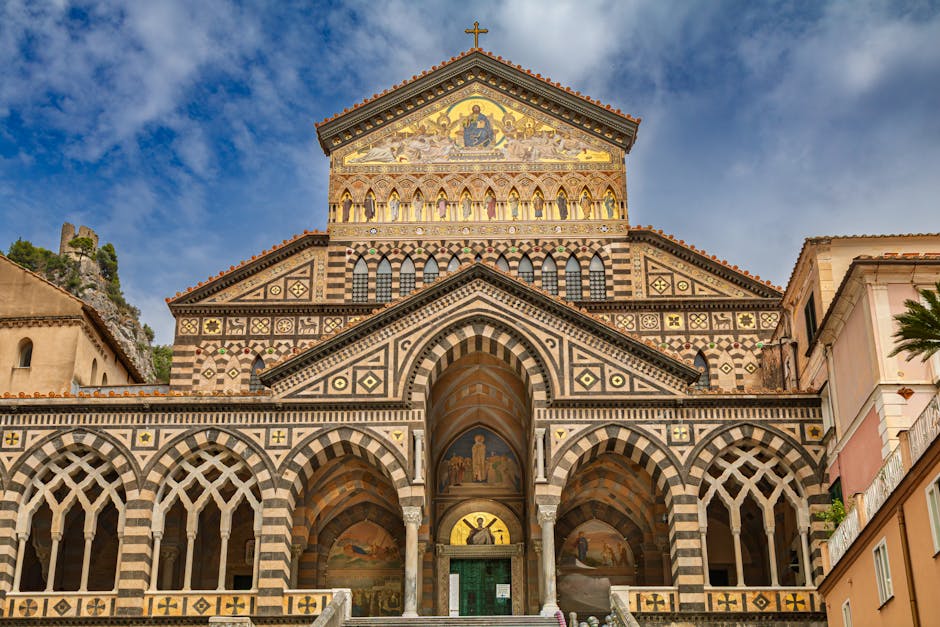
Duomo di Amalfi (Cattedrale di Sant’Andrea)
Address: Piazza del Duomo, 1, 84011 Amalfi SA.
Hours: Daily 9:00–19:00 (hours may vary in high season).
Fee: Access to the Duomo is free; access to the Chiostro del Paradiso and the Duomo Museum around €3.00–€5.00.
Description: The Duomo is an excellent starting point to understand liturgical decorations: embroidered objects, chasubles and altar cloths displayed in the museum demonstrate the high craftsmanship required for sacred spaces. The adjacent Cloister of Paradise lets you see medieval architecture and sense the patina on historic textiles on display.
Practical tip: Arrive early in the morning (9:00–10:30) to avoid crowds and enjoy the light on stained glass and embroidery. -
Museo della Carta (Paper Museum of Amalfi)
Address: Via delle Cartiere, 27, 84011 Amalfi SA.
Hours: April–October 10:00–18:00; November–March 10:00–16:00; closed Mondays (hours may vary by season).
Fee: €4.00–€6.00.
Description: Although dedicated to paper, the Museo della Carta highlights links between papermaking and textiles (labels, patterns, conservation of motifs). The restored old paper mills offer an immersive visit with demonstrations of paper-making and exhibitions of textile archives.
Practical tip: Book a guided visit to access historic workshops and see hands-on demonstrations. -
Laboratorio Tessile « Laboratorio Tessile Ravello »
Address: Via Boccaccio, 14, 84010 Ravello SA.
Hours: Tuesday–Saturday 10:00–13:00 / 15:00–19:00 (visits by appointment in low season).
Fee: Workshop visit €5.00; half-day introductory workshops around €40.00 per person.
Description: In Ravello, famed for its villas and gardens, this small family workshop preserves traditional embroidery. You’ll see hand looms, embroidery frames and old patterns. Artisans offer mini-workshops to teach a few traditional stitches.
Practical tip: Reserve workshop participation at least 48 hours in advance and bring small notes and a discreet camera. -
Laboratorio Ceramiche e Tessuti Vietresi « Ceramica e Tessuto Solimene »
Address: Via Nazionale, 194, 84019 Vietri sul Mare SA.
Hours: Monday–Saturday 9:00–19:00; Sunday 10:00–13:00.
Fee: Free entry; guided workshop visits on request (free or around €5.00 depending on circumstances).
Description: Vietri sul Mare is best known for ceramics, but several studios combine painted tiles and decorative fabrics. Here you’ll find tablecloths with matching tile motifs, fabric painting and techniques for transferring ceramic patterns onto cloth.
Practical tip: Use the shop to pair purchases of linens and matching tiles; ask for care labels and the provenance of fibers. -
Mercato Settimanale d’Amalfi (local artisan market)
Address: Piazza del Duomo and Corso Vittorio Emanuele, 84011 Amalfi SA.
Hours: Every Wednesday morning, roughly 8:00–13:00 (days may vary by season).
Fee: Free entry; textile prices vary (€20.00 for small pieces, €150.00+ for artisan tablecloths).
Description: The weekly market is ideal for finding local items, scarves, linen tablecloths and small embroideries. Local artisans sell directly: bargaining is possible for multiple purchases.
Practical tip: Arrive early for the best selection and bring cash — some vendors don’t accept cards.
Techniques, materials and motifs: how to spot an authentic piece
Recognizing a genuinely artisanal textile takes a bit of eye and touch. Here are the main things to look for and the characteristic techniques to know:
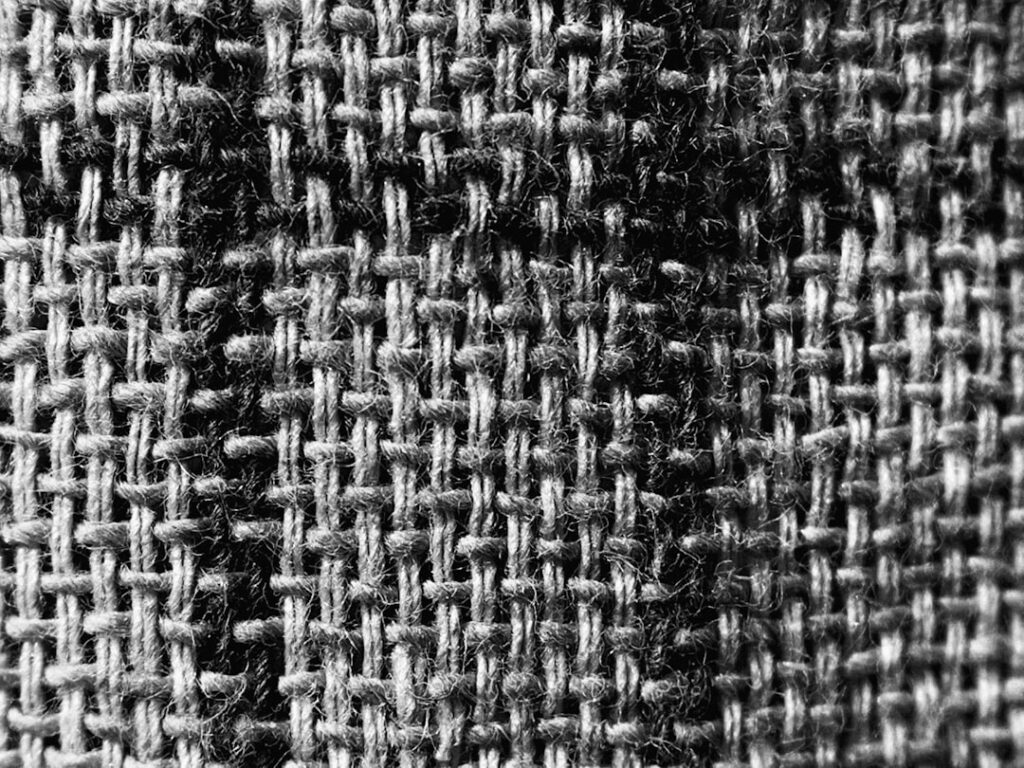
- Weaving: A hand-woven fabric often shows slight irregularities in the warp and weft. Manual looms leave visible beating marks and a more organically uneven finish than industrial fabric. Ask to see the reverse side of the cloth to check knot regularity and the fineness of the workmanship.
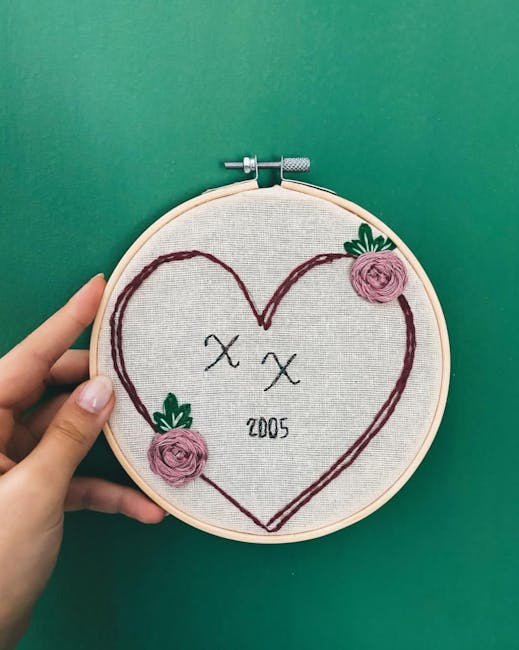
- Embroidery: Traditional stitches (chain stitch, satin stitch, Rhodes stitch) are done by hand and show tiny variations. Machine embroidery will be ultra-regular and often denser. Historical stitches, like those used for chasubles, are often reinforced on the back with small consolidating stitches.
- Fibers: Linen and silk can be distinguished by touch: linen feels cool, slightly rough but sturdy; silk is smooth, shiny and more delicate. Check labels: « 100% lino » (linen), « seta » (silk), or « cotone » (cotton). Reputable workshops often indicate fiber provenance.
- Dyes: Natural dyes have less saturated tones and may show subtle variations (patina). Synthetic dyes give uniform, vivid colors. For an authentic piece, ask whether natural colorants were used and how to care for the item.
- Motifs: On the Amalfi Coast look for marine motifs (shells, stylized waves), local floral motifs (lemon trees, olive leaves) and geometric structures with Byzantine influence. Hand-embroidered designs often show slight differences in density between decorative areas and the background.
Practical tip: Always ask for the « certificazione » or a workshop description sheet. Many artisans provide a handwritten label specifying technique, fiber and care. If you’re considering buying high-value items (an antique tablecloth, a tapestry), ask for a detailed receipt to help with export procedures or insurance.
Where to buy, take part and bring your textiles home: shops, markets and introductory workshops
The Amalfi Coast offers several types of buying points: craft shops, weekly markets, workshops that sell their production and specialized galleries. Here are addresses and concrete recommendations for buying knowledgeably.
-
Botega « La Tela di Amalfi »
Address: Corso Giuseppe Garibaldi, 73, 84011 Amalfi SA.
Hours: 9:30–13:00 / 16:00–20:00 daily in season.
Price range: Scarves from €25.00, artisan tablecloths €80.00–€400.00.
Description: A shop devoted to local textiles, offering tablecloths, sheets, curtains and accessories. Staff explain techniques and offer personalization services (initial embroidery).
Practical tip: Verify provenance and ask for a care label; for personalization, allow 2–5 days lead time. -
Atelier Space « Ricami e Tessuti Atrani »
Address: Via Roma, 10, 84011 Atrani SA.
Hours: By appointment, generally 10:00–18:00.
Fees: Introductory courses €25.00–€60.00 depending on duration.
Description: A small family workshop in Atrani where you can observe traditional embroidery and local motifs. Courses are adapted for beginners.
Practical tip: Call the day before to reserve and check availability of an interpreter if needed. -
Maiori craft market
Address: Lungomare Marconi, 84010 Maiori SA (market area near the beach).
Hours: Saturday mornings, roughly 8:00–13:00 (seasonal).
Prices: Simple textiles €15.00–€30.00; artisan pieces €60.00–€200.00.
Practical tip: Test a wash sample (some vendors will wet a discreet corner to test colorfastness) and negotiate a discount for multiple items.
For transport: favor rolling items in a cloth bag or using a tube for tapestries to avoid creases. If you purchase large pieces, ask the seller whether they offer insured postal shipping — often a shipment via Poste Italiane with insurance is possible and avoids airline overweight fees. Keep invoices and certificates of origin to ease customs procedures on return if needed.
Practical travel tips: seasons, transport and respectful behavior
Visiting the Amalfi Coast requires a bit of planning, especially if you want to combine sightseeing with craft discoveries:
- Seasons: High season (June–September) means more open workshops and events but also large crowds. The best time for an in-depth visit is late spring (May–June) or early autumn (September–October): pleasant temperatures, artisans available and more flexibility for guided visits.
- Transport: Roads are winding: favor public transport (SITA buses) or boat connections between Amalfi, Positano and Vietri sul Mare to avoid parking stress. Local taxis can usually be booked through hotels for trips to more remote workshops.
- Language and communication: Many artisans speak basic English; a few Italian phrases (thank you, hello, please) will help. Always ask for written details (a label with composition and care) and a receipt for any valuable purchase.
- Respect and ethics: Photographing an artisan at work often requires permission — ask first and, if possible, leave a small tip if you take many photos. Buy directly from producers when possible to support the local economy.
- Budget: Prices vary widely: small artisan items €15.00–€40.00, tablecloths and tapestries €80.00–€400.00, collectible pieces several hundred euros. For introductory courses expect €25.00–€60.00 for a half-day and €80.00–€150.00 for a full day.
Conclusion: Bringing a piece of the coast home — souvenirs, learning and the passing on of traditions
The Southern weaves of the Amalfi Coast are more than decorative objects: they embody a continuity of aesthetic expression, family economies and a relationship to the landscape handed down through generations. Every embroidered tablecloth, every hand-dyed fabric, every stitch made on a loom tells a local story — that of a medieval port in contact with the East, of religious confraternities funding the finest works, and of modern artisans reinventing ancestral techniques for contemporary interiors.
Travelling to the Amalfi Coast to discover these textiles means slowing down to observe, touch and converse. It means choosing an atelier shop over a chain store, learning a few embroidery stitches in a workshop in Ravello or Atrani, and having long conversations with a Vietri weaver about the origin of his silk. The addresses and hours included here — Duomo di Amalfi (Piazza del Duomo, 1), Museo della Carta (Via delle Cartiere, 27), the workshops in Ravello and Vietri sul Mare — are entry points to an authentic experience. With careful planning (workshop reservations, payment methods checked, and postal shipping verified for bulky purchases) you’ll make the most of your time and budget.
Finally, bringing a textile from the Amalfi Coast home means taking back a piece of culture and meaning. Ask about techniques, request a written description and favor workshops that explain the provenance of fibers and dyes. By doing so, you help preserve a living, sustainable craft. Whether you seek a tablecloth to pass down, a small embroidered keepsake or a hands-on learning experience, the Amalfi Coast offers a rich range of discoveries — if you approach it with curiosity and respect. Happy textile travels in the South, and may your purchases tell the stories of your encounters and discoveries.