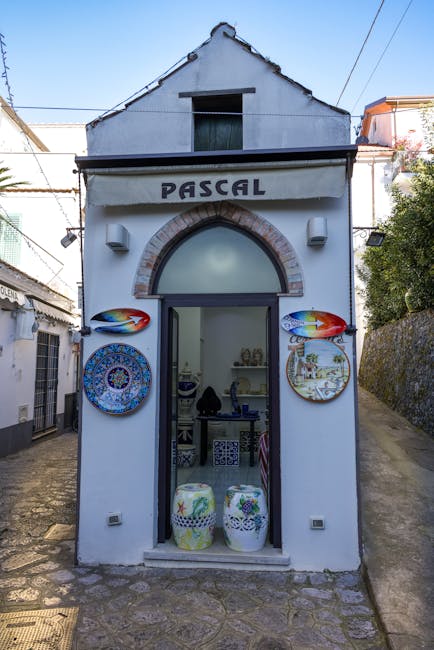






Introduction: Ceramics and the Sea — the Imprint of Waves on Amalfi Faience
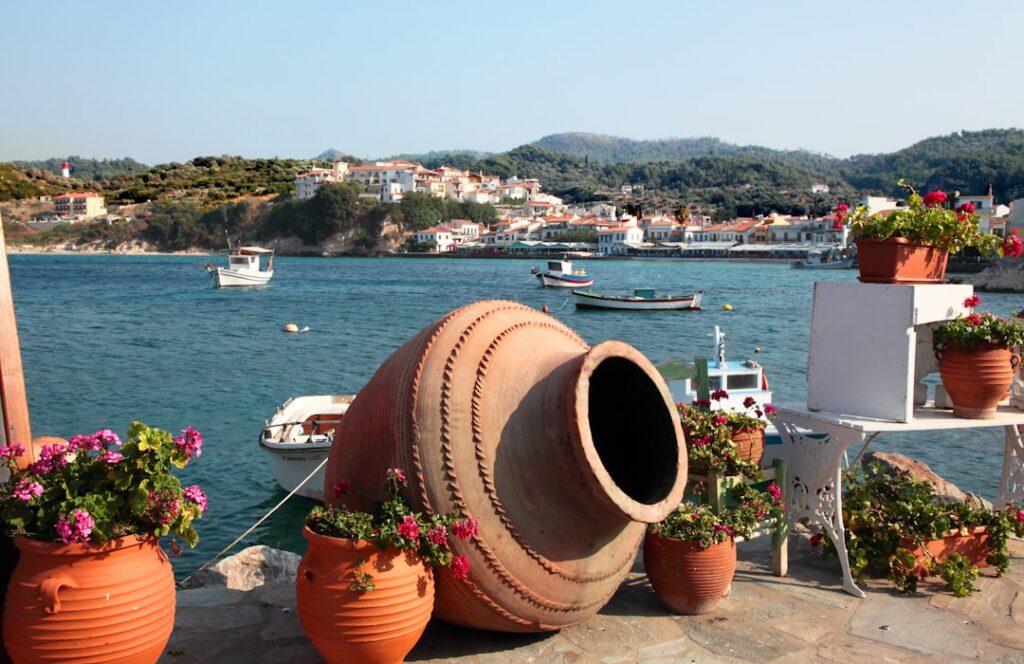
The Amalfi Coast, with its dramatic cliffs, colorful houses and deep-blue waters, has inspired generations of ceramic artisans who work clay and glaze. Ceramics production in this area — especially in Vietri sul Mare, Amalfi, Ravello and Positano — is both popular art and living history: fish motifs, stylized waves, fishing nets, shells and deep blues form a visual language you instantly recognize. These pieces tell a story — of a maritime economy, Mediterranean culture and family workshops passing skills down the line.
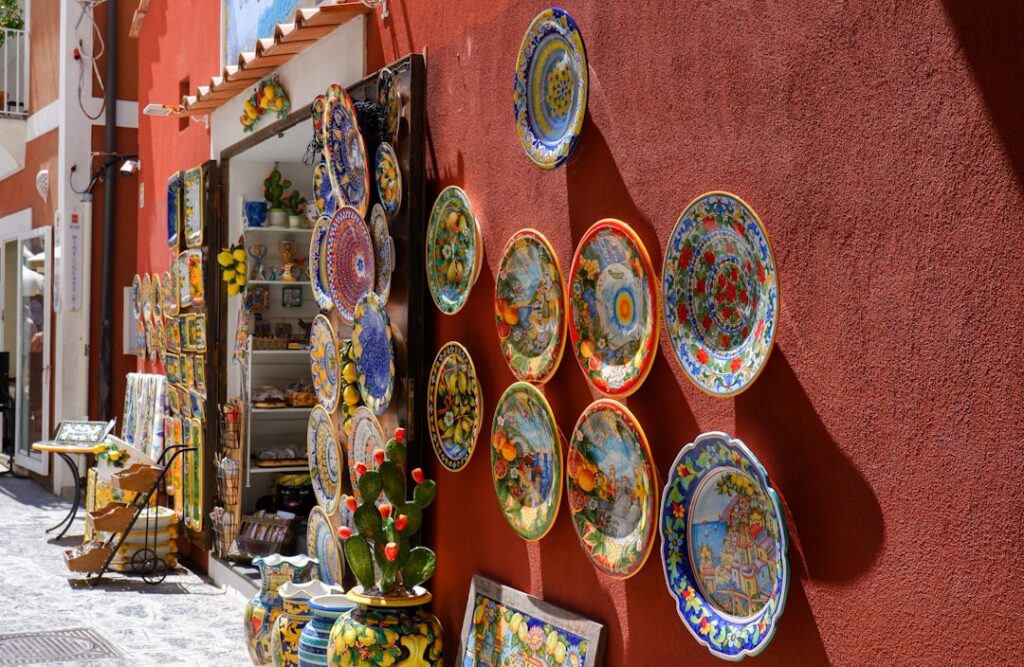
In this guide we’ll dive into the typical sea motifs made by Amalfi potters, where to spot and buy them, how to take part in a pottery workshop and how to tell authentic coastal ceramics apart. The goal is a practical, immersive overview: exact addresses, opening hours, typical price ranges and local tips to help you make the most of the tradition. Whether you’re a collector, an occasional buyer or a curious traveler, you’ll find concrete information to plan visits on foot or by car along the SS163 — the scenic road that links the coastal villages.
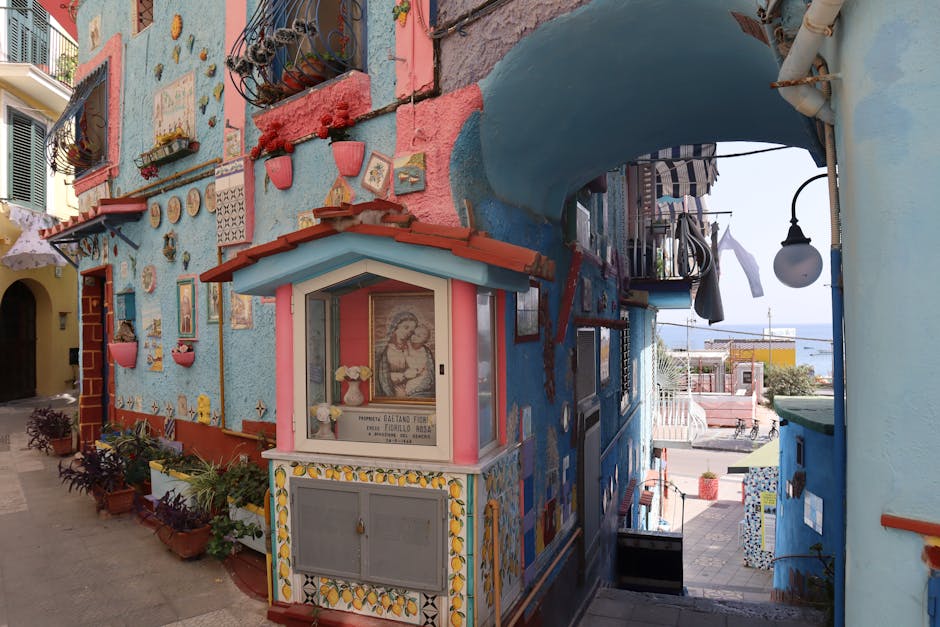
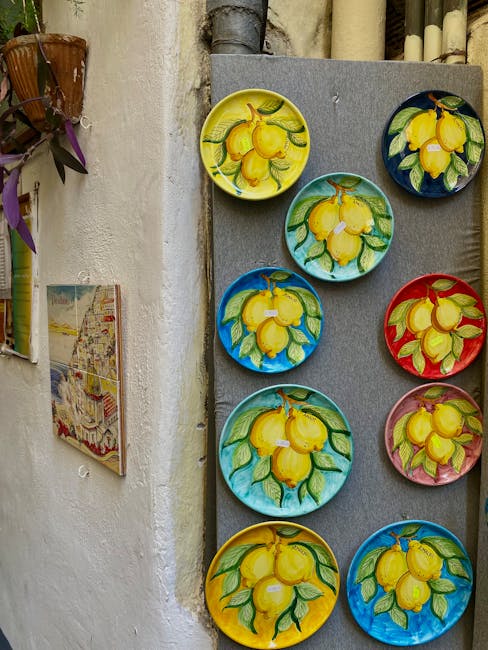
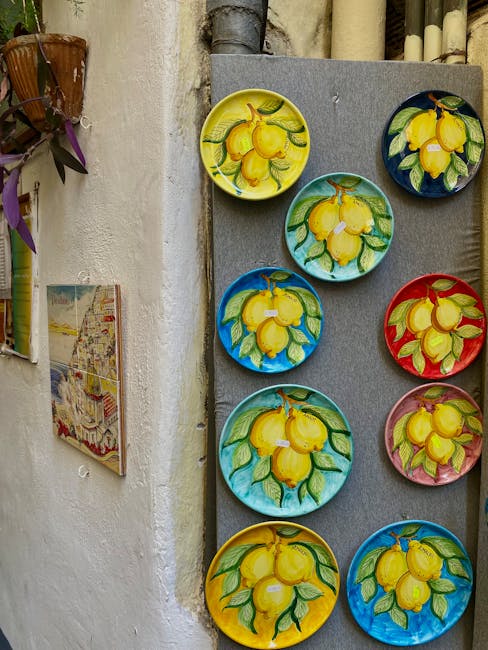
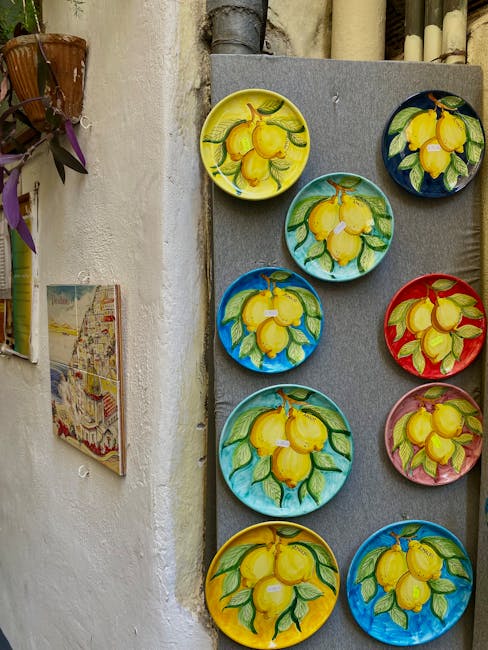
Sea motifs are more than decoration; they carry meaning. Blue, everywhere, evokes sea and sky; yellow and green call to mind lemons and the lush terraced gardens; nets, anchors, fish and crustaceans celebrate seafaring livelihoods. Techniques vary: glazed faience, hand-painted majolica, decorative tesserae and wall tiles to dress kitchens, terraces and churches. Artisans still use traditional glaze recipes while experimenting with modern finishes and contemporary shapes.
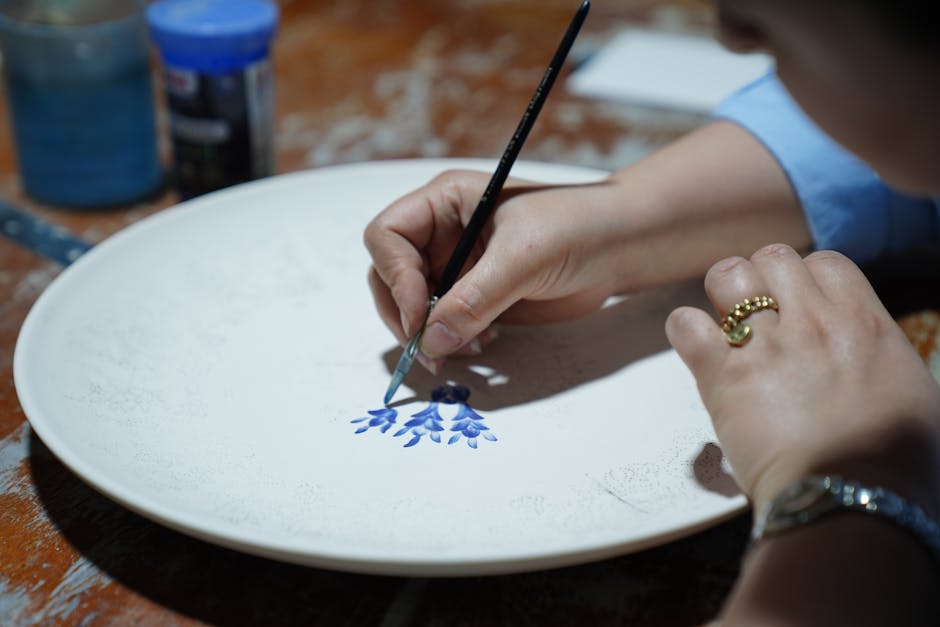
Practical note: this guide includes concrete starting points — for example, Amalfi’s Piazza Duomo, Via Roma in Vietri sul Mare and workshops dotted along the coast. Price examples reflect typical ranges found in shops or quoted for classes (from a few euros for a souvenir to several hundred euros for a large piece). We also give visiting tips to avoid peak crowds and to talk with master potters. Finally, there are packing and shipping tips for fragile items — essential before you buy or ship your souvenirs home to France or beyond.
History and Motifs: Reading the Maritime Language of Amalfi Potters
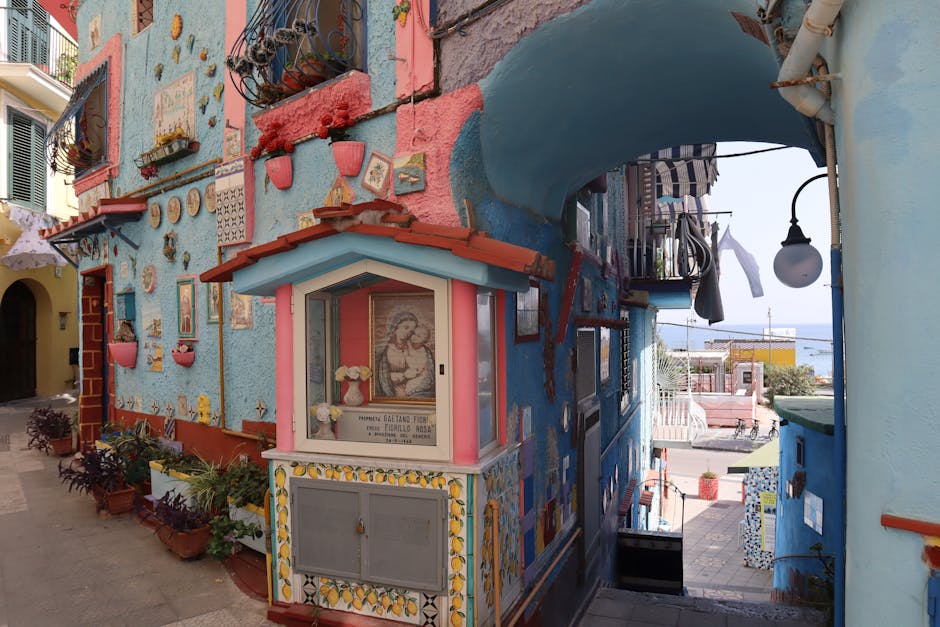
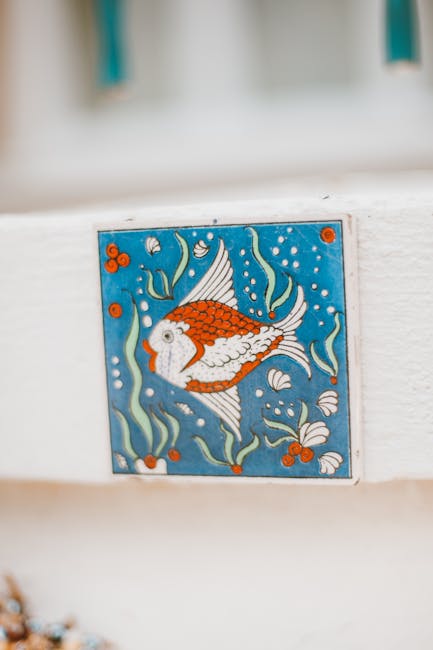
The ceramic tradition of the Amalfi Coast has roots in Mediterranean exchanges: Moorish, Byzantine and Spanish influences blend with Italian techniques to produce vivid, patterned faience. Vietri sul Mare is often called the “capital” of Amalfi ceramics; it was there in the 16th and 17th centuries that workshop practices developed that survive today. Sea motifs grew out of daily life: nets, anchors, boats, fish, starfish, shells, stylized seaweed and wave borders.
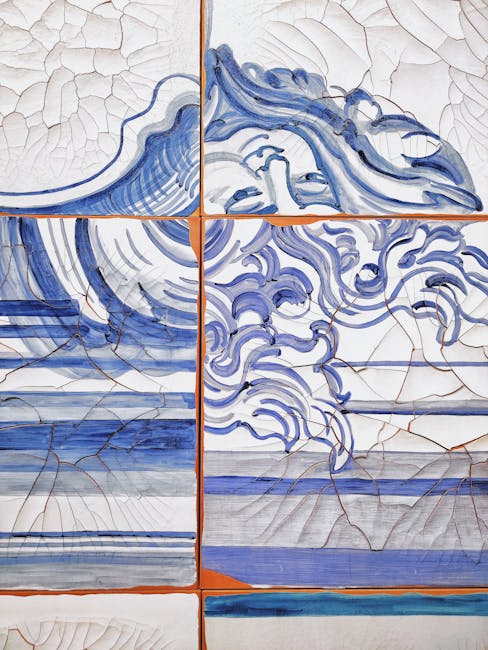
These decorative elements serve both aesthetic and symbolic purposes. Nets and ropes can suggest protection and livelihood, fish symbolize abundance, while lion-mouth or grotesque motifs sometimes appear on festive plates. Decorative tiles have long been used to enhance interiors, farmhouse kitchens and the facades of churches and villas. In Ravello, for example, some villas use ceramic panels to enliven loggias and gardens with marine scenes.
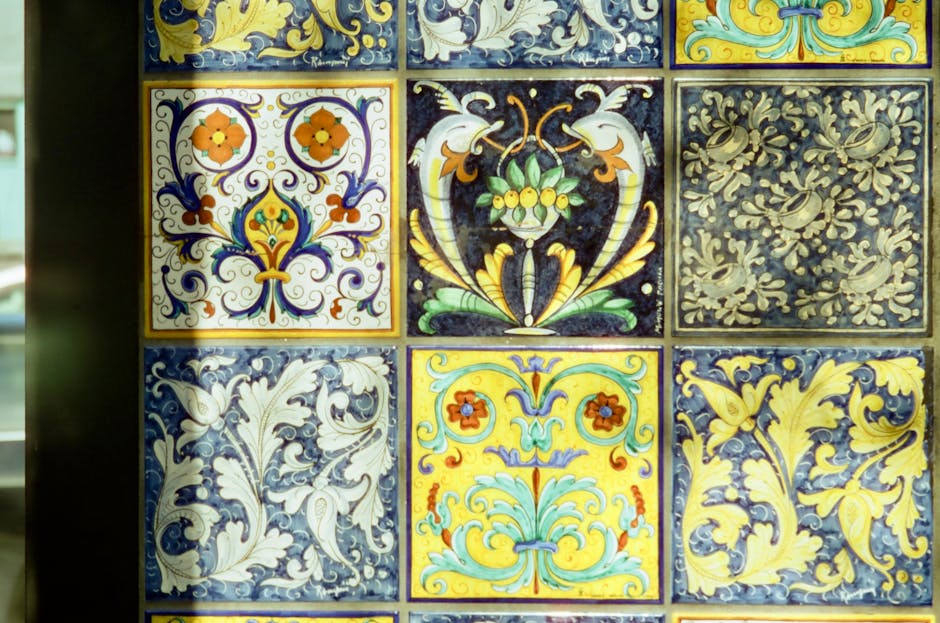
Technically, there’s a difference between faience (earthenware covered with an opaque glaze) and majolica (where the design is painted onto a white glaze). Traditional potters use mineral pigments for intense blues, emerald greens and warm yellows. Sea motifs are often freehand-painted by skilled artisans who apply multiple firings to fix the colors and achieve that distinctive shine. Today, contemporary studios mix these time-honored techniques with modern design, producing pieces highly sought by interior designers.
Where to See and Buy: Shops, Markets and Museums along the Coast
Most towns along the Amalfi Coast have ceramic shops and showrooms open to the public. Here’s a practical selection with addresses, hours and price ranges to help you plan your shopping.
-
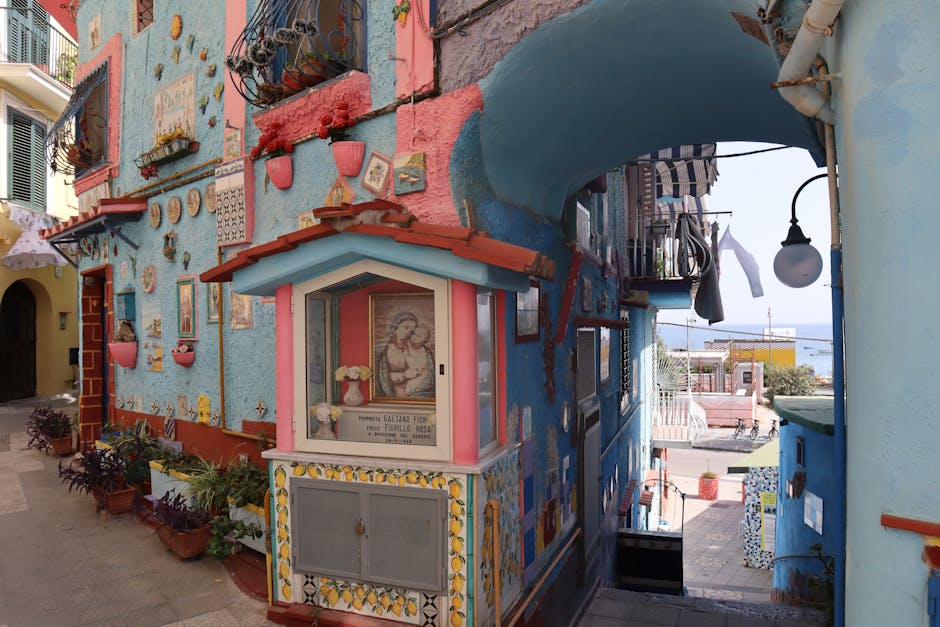
Vietri sul Mare — Via Nazionale (historic center): Via Nazionale, 84019 Vietri sul Mare SA, Italy. Many shops line this main street: they typically open from 09:30 to 13:00 and 16:00 to 20:00 (hours vary by season). Prices: small magnets and cups from €5; decorative plates €30–80; wall platters and large pieces €150–600.
-
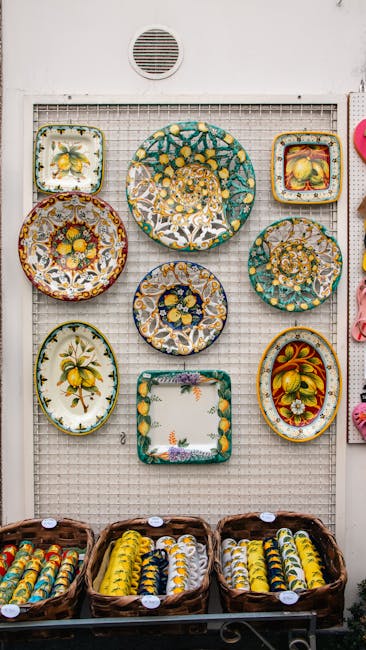
Amalfi — Piazza Duomo: Piazza Duomo, 1, 84011 Amalfi SA, Italy. Many shops around the square stay open from 10:00 to 19:00. Prices: small souvenirs €7–20; tiles and wall panels €120–400; artisan pieces €200–900 depending on size and maker.
-
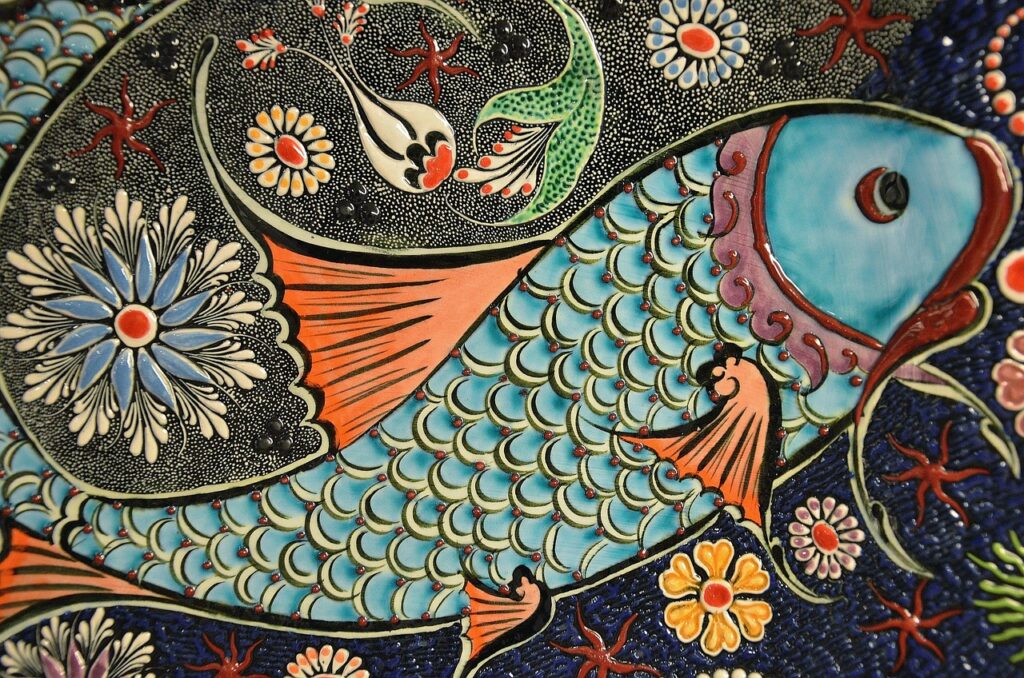
Ravello — Via Roma: Via Roma, 84010 Ravello SA, Italy. Craft shops and studios gather around the center and the Belvedere. Hours: 10:00–18:30 (earlier closing off season). Prices: vases and small sculptures €50–300.
-
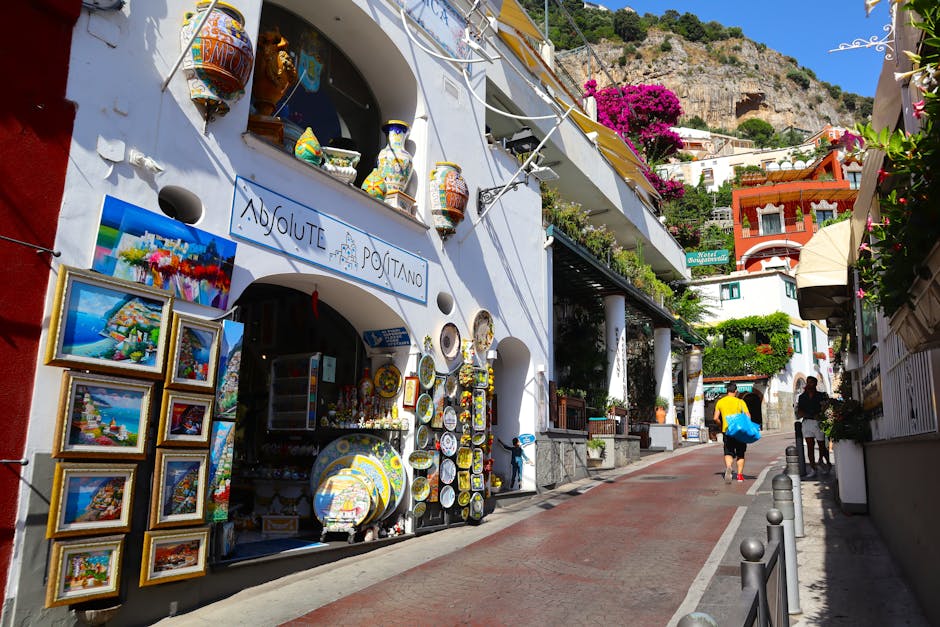
Positano — Via dei Mulini / Spiaggia Grande: Via dei Mulini, 84017 Positano SA, Italy. Shops often open 10:00–20:00 in summer. Prices: decorative items €25–200; designer pieces €150 and up.
Museums and workshops open to the public:
-
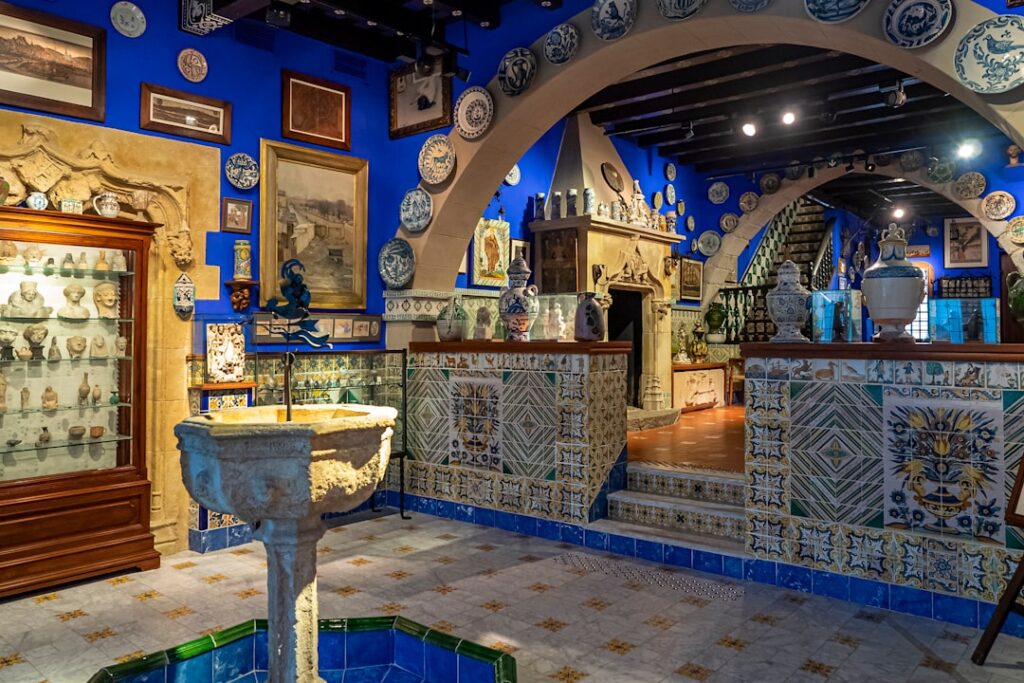
Museo della Ceramica di Vietri sul Mare — Villa Comunale (temporary exhibitions): Piazza Centrale, 84019 Vietri sul Mare SA, Italy. Hours: typically 10:00–18:00 (check local calendar). Admission: around €5–8 depending on the exhibition. Great for understanding the evolution of sea motifs.
Buying Tips
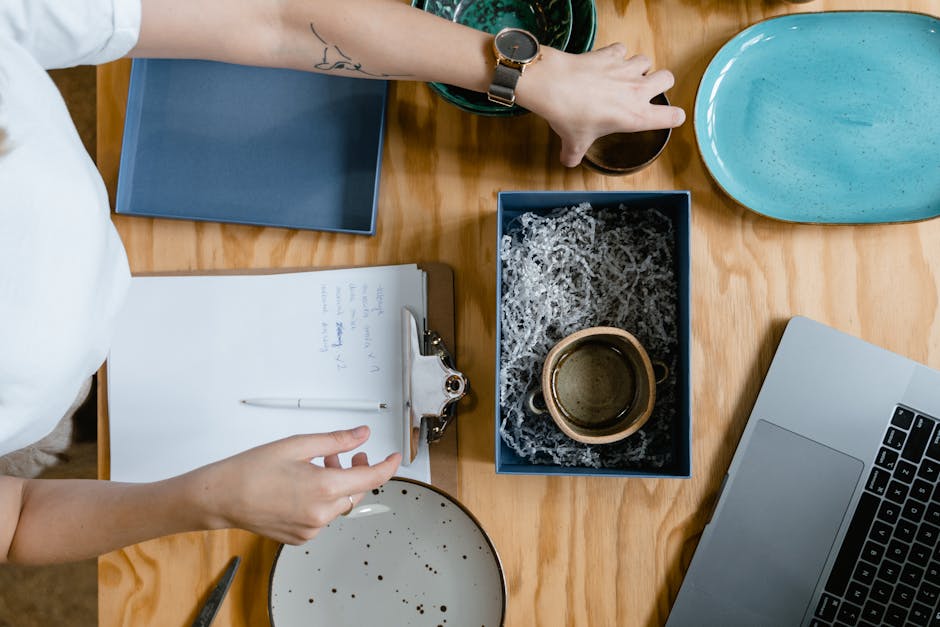
Always ask about the origin of a piece and, if possible, the name of the workshop or potter. Bargain politely but cautiously (especially in high season). For large items, ask about packing and shipping services: many shops offer insured international shipping (costs vary: around €30 for a small parcel to €200+ for furniture or panels). Bring protective materials if you’re traveling by ferry or car: bubble wrap, boxes and plastic sleeves are essential.
Workshops and Pottery Classes: Learning to Paint the Sea
Taking a workshop on the Amalfi Coast is a memorable way to connect with local culture. Several studios offer beginner classes and ceramic-painting sessions ranging from one hour to multi-day courses.
-
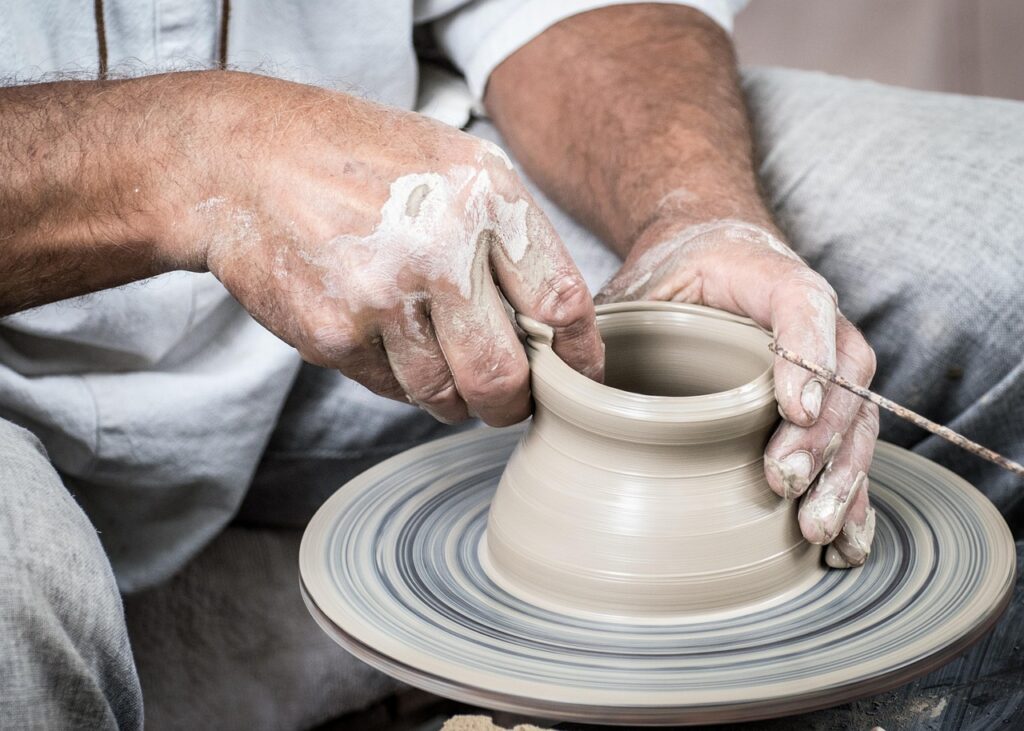
Typical studio — “Laboratorio di Ceramica Amalfi” (sample offering): Hypothetical organization address: Via Lorenzo d’Amalfi, 12, 84011 Amalfi SA (check the studio you choose). Plate-painting class: 1.5 hours, about €35–50 per person; wheel-throwing workshop: 2 hours, €60–90. Sessions: mornings (10:00–12:00) and afternoons (15:00–17:00). Booking recommended.
-
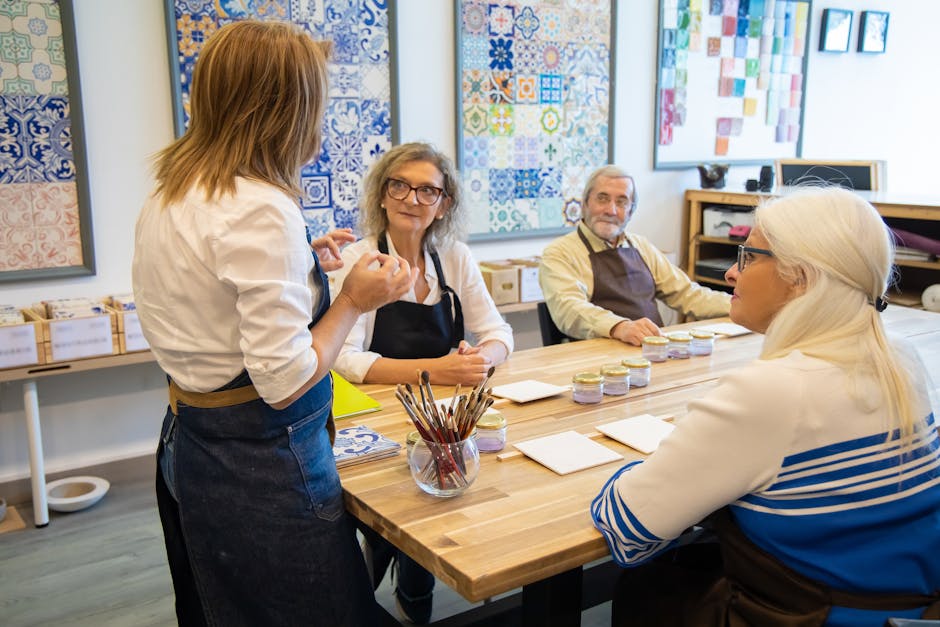
Vietri intensive workshop — half-day session: sessions focused on painting sea motifs: €45–75 (includes firings and possible shipping of finished pieces). Typical hours 09:30–12:30 or 15:00–18:00. Workshops often include a kiln tour and glaze explanations.
Practical tips for taking part:
- Book at least 48 hours in advance during high season (June–September).
- Wear clothes you don’t mind getting stained; bring a light apron if you can.
- Expect to collect your pieces 7–14 days after firing: many studios offer shipping for an extra fee (from about €20 for a small package to €100+ for multiple items).
Recognizing and Caring for Genuine Amalfi Ceramics — Insider Advice
With tourism comes mass production: printed reproductions, industrial pieces and cheap souvenirs sit alongside genuine handmade work. Here’s how to spot authentic ceramics and how to care for them.
- Signs of authenticity: check the back: a handmade piece will often have an unglazed base or the potter’s handwritten mark. Perfectly symmetrical, flawless motifs can signal machine production. The weight and texture of the clay are clues too: handmade faience usually feels more “organic.”
- Technique: on majolica, the decoration is painted by hand and shows slight irregularities in brushstrokes; colors deepen after multiple firings.
- Care: avoid thermal shock: don’t move a glazed piece directly from cold to a hot oven. For cleaning, use a soft sponge and a mild detergent; avoid abrasive cleaners that can damage the glaze.
Local tips:
- If you want a custom piece, ask about lead time: expect 2–3 weeks for creation and firing in most local studios.
- Request certificates or authenticity cards for valuable items (especially over €200).
- For international shipping, prefer shops that offer transport insurance and tracking; keep serial numbers or invoices for any claims.
Conclusion: Taking a Piece of the Sea Home — Choices, Respect and Memories
Amalfi ceramics are more than decorative objects: they capture the light, colors and gestures of a region turned toward the sea for generations. Buying a hand-painted plate or taking part in a workshop supports local craft, continues a story and lets you take home a tangible fragment of the Amalfi Coast. When visiting Vietri sul Mare, Amalfi, Ravello or Positano, take time to watch the hands at work, ask about techniques and listen to the family stories that often accompany each piece.
Practically speaking, remember to check opening hours and book when possible, especially in high season. Prices vary with size, complexity of decoration and the workshop’s reputation: a small souvenir can cost under €10, while a quality artisan piece can reach several hundred euros. Before buying, always ask whether the workshop provides professional packing and international shipping — this will save you headaches on the return journey and protect your purchase from transport mishaps.
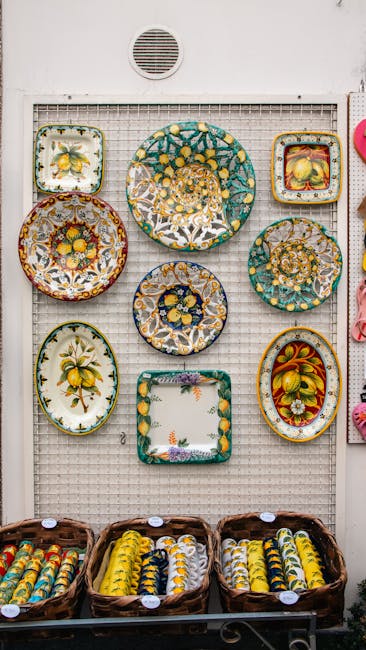
Finally, think of ceramics as a conversation between you and the coast: when you bring home a hand-painted plate, you take with you not just a sea motif but a story — the crackle of the kiln, the scent of wet clay, hands stained with blue and yellow pigments and a potter’s laugh while recounting a fisherman’s tale. Honor this heritage by choosing authentic pieces, asking about their origin and caring for them properly. Every time you use or look at your Amalfi ceramic, you’ll rediscover a little of the sea, the light and the heart of the Amalfi Coast.