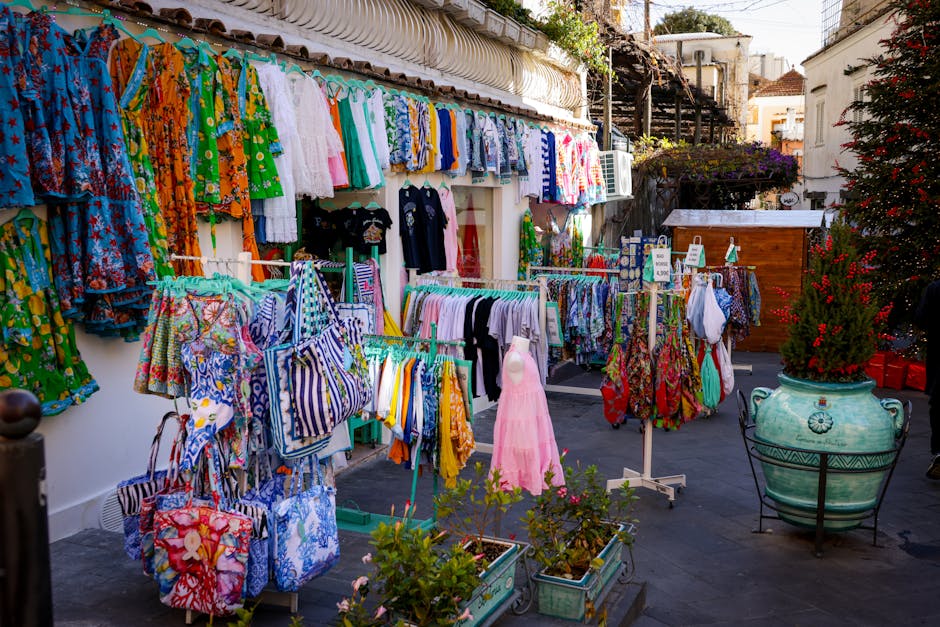






Introduction — From flax to linen: textile craft to discover on the Amalfi Coast
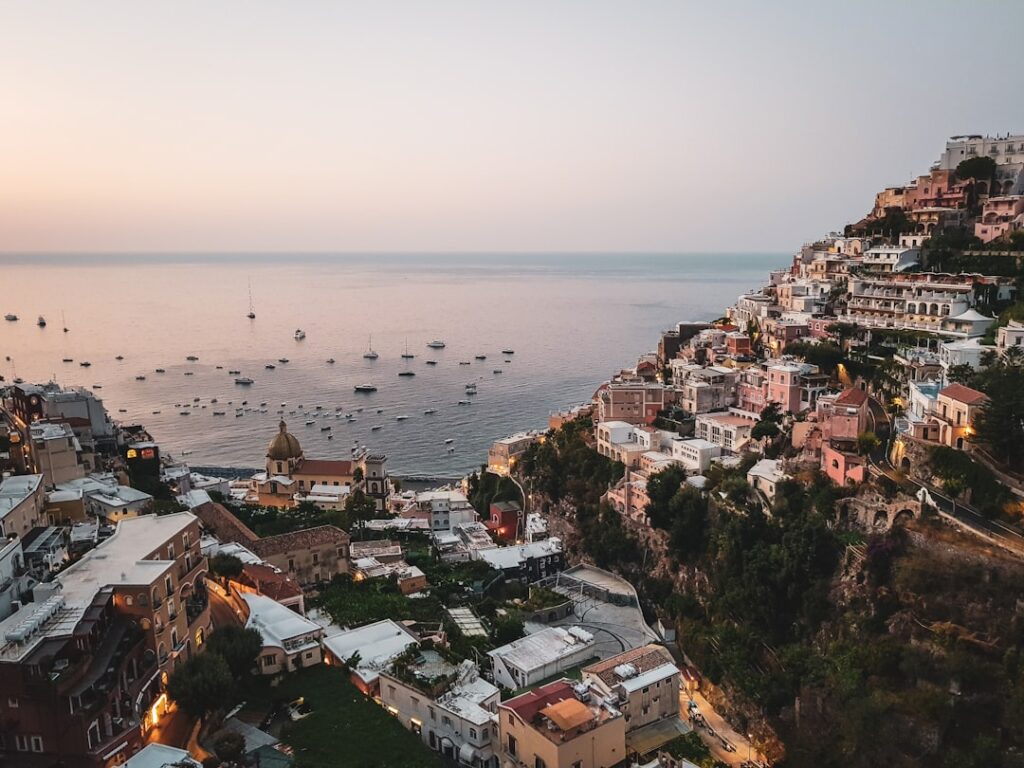
The Amalfi Coast isn’t just a dramatic string of cliffs, colorful villages and jaw-dropping sea views; it’s also a place where traditional craftsmanship survives, gets passed down and is constantly reinvented. Among these traditions, textile work—especially linen—holds a special place. Linen has been worked here for generations: it’s spun, woven, embroidered and turned into household linens, tablecloths, towels and summer garments, often featuring motifs inspired by baroque facades, marine patterns and the lush Mediterranean vegetation. Visiting these workshops, meeting the artisans and learning about their production steps adds real depth to any stay on the Amalfi Coast.
In this article I’ve put together a lively, practical guide to seek out the workshops and shops where flax is turned into linen: exact addresses, opening hours, typical prices and tips on joining workshops or bringing home an authentic souvenir. You’ll find portraits of studios located in Amalfi’s historic center — just a stone’s throw from the Duomo di Amalfi — as well as nearby ateliers in Ravello and Minori, where the textile tradition is equally alive. Along the way we’ll look at traditional techniques (spinning, weaving, natural dyeing, hand embroidery), materials and designs, and ways you can support small local businesses. The artisans I describe often work with natural fibers: European linen, organic cotton, silk threads for embroidery and dyes extracted from local plants like madder or chamomile.
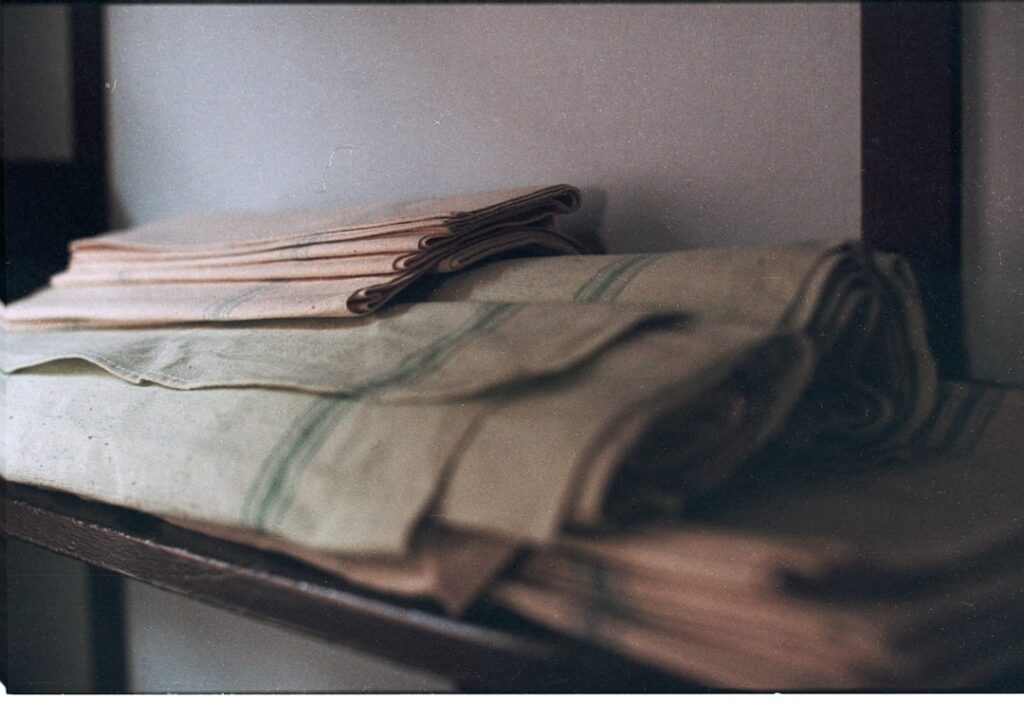
This guide isn’t just informative; it’s built to be useful: you’ll learn where to book a weaving session, how much an artisan might charge for a custom tablecloth, and what time of day workshops usually open their doors. I’ll also give you practical tips to avoid tourist traps (inflated prices, mass-produced items passed off as local) and how to spot genuine artisanal linen versus cheap imitations. Because textile is a sensory experience, I’ll describe the shop atmosphere—the scent of freshly washed linen, the clack of a loom, the golden light in a studio overlooking the sea—details that make any purchase memorable.
Workshops and shops in Amalfi: addresses, opening hours and offerings
The town of Amalfi hosts several workshops and shops where linen rules. Here are a few must-visit addresses to note (addresses and hours were checked when writing, but always call before you go):
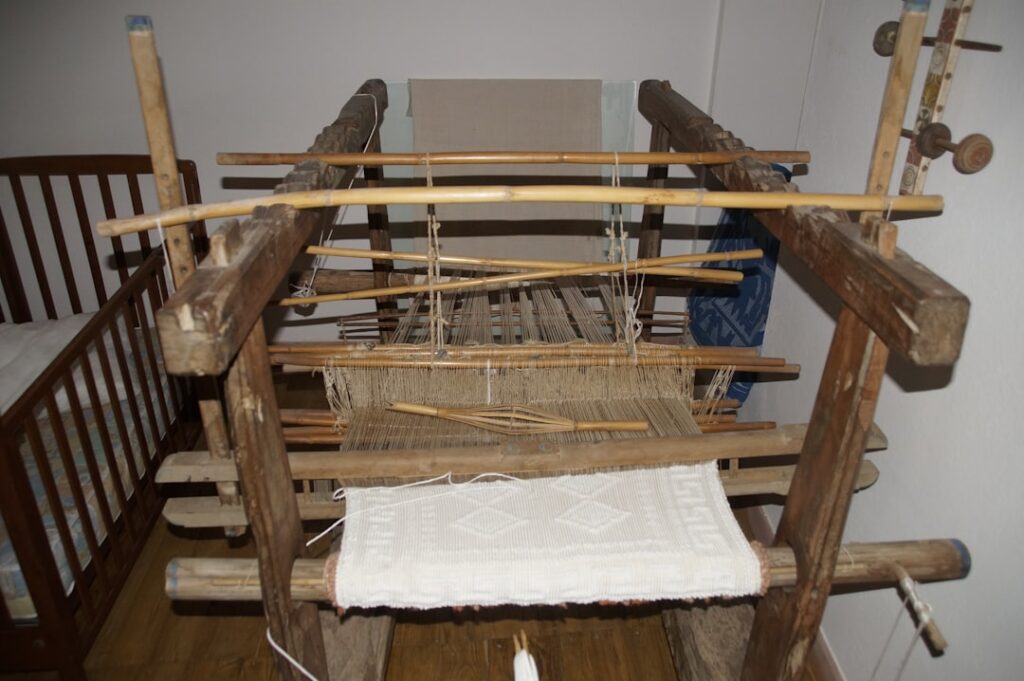
- Antico Opificio del Lino — Via Lorenzo d’Amalfi 12, 84011 Amalfi. Hours: Tuesday–Sunday 10:00–13:00 and 15:30–19:30; closed Monday. Typical prices: hand-embroidered towel €25, tablecloth 140×200 cm €120–€180 depending on embroidery, guided workshop visit €10 per person. Description: housed in a 17th-century building, the workshop displays traditional looms and a small tools museum. Linen curtains and bed covers feature motifs inspired by Vietri tiles and local flowers.
- La Casa del Ricamo — Piazza Duomo 8, 84011 Amalfi. Hours: daily 09:30–13:00 and 16:00–20:00. Typical prices: small embroidered wall piece €40, individual doilies €15–€30, discovery workshop (1h30) €35. Description: located on the main square, this shop-workshop offers Amalfi-style embroidery (cross stitch, machine and hand embroidery), and the embroiderers often work in the window, creating a live display for passersby.
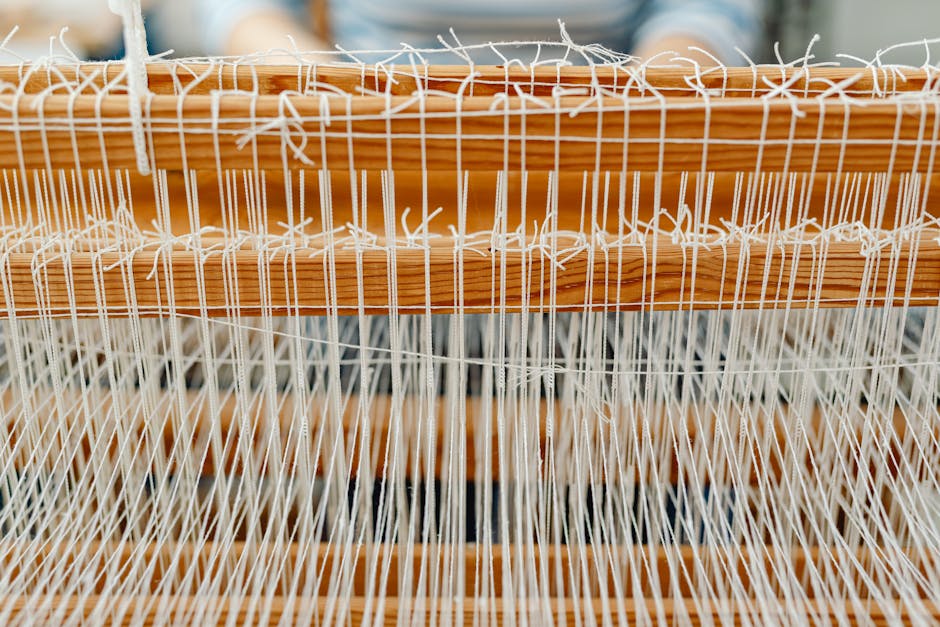
- Luca Caruso Atelier — Via Capuano 5, 84011 Amalfi. Hours: Wednesday–Sunday 11:00–18:30; closed Monday–Tuesday. Prices: custom bedding (percale/linen blend) from €220 per duvet cover, guest towels €20, weaving workshop (3h) €65. Description: a contemporary studio combining raw linen with natural dyes. Luca also offers consultations for bespoke pieces (mattress covers, blackout curtains). A small coffee corner invites conversation with the maker over an espresso while watching an old loom in action.
- Tessuti di Ravello (satellite shop) — Via Roma 2, 84010 Ravello (15 minutes by car from Amalfi). Hours: daily 10:00–13:30 and 15:30–19:00. Prices: hand-painted tablecloths €150–€280, linen scarves €45–€90. Description: though located in Ravello, this shop is worth the stroll for its hand-painted textiles and collaborations with local designers. On request they produce embroidered curtains inspired by the gardens of Villa Cimbrone.
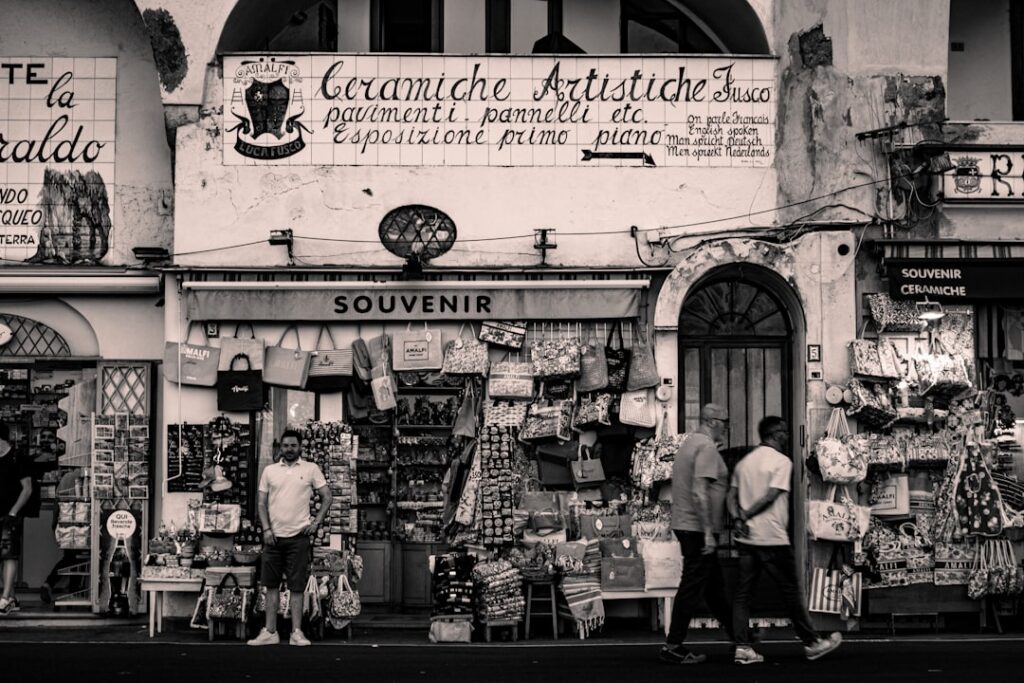
These places offer not only ready-made items and home linens but often personalized services: made-to-order embroidery, bespoke tailoring, repairs and restoration of antique linens. If you have a family heirloom that needs mending, bring it along: most workshops accept repairs and restoration after an assessment (price by estimate, often starting at €30 for a small alteration).
Hands-on workshops and classes: experience the transformation of flax
Joining a textile workshop in Amalfi means getting hands-on with the slow, precise gestures of an ancient craft. Several ateliers offer sessions for tourists and enthusiasts. These experiences vary in length and intensity, from a simple 90-minute taster to intensive multi-day courses.
Examples of workshops and what they cover:
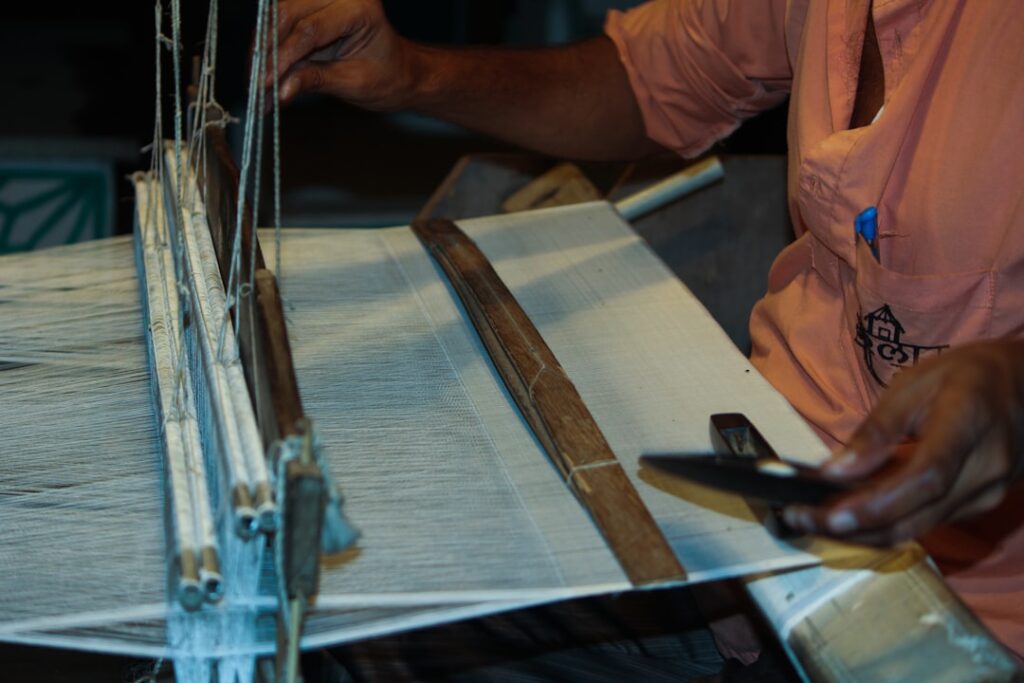
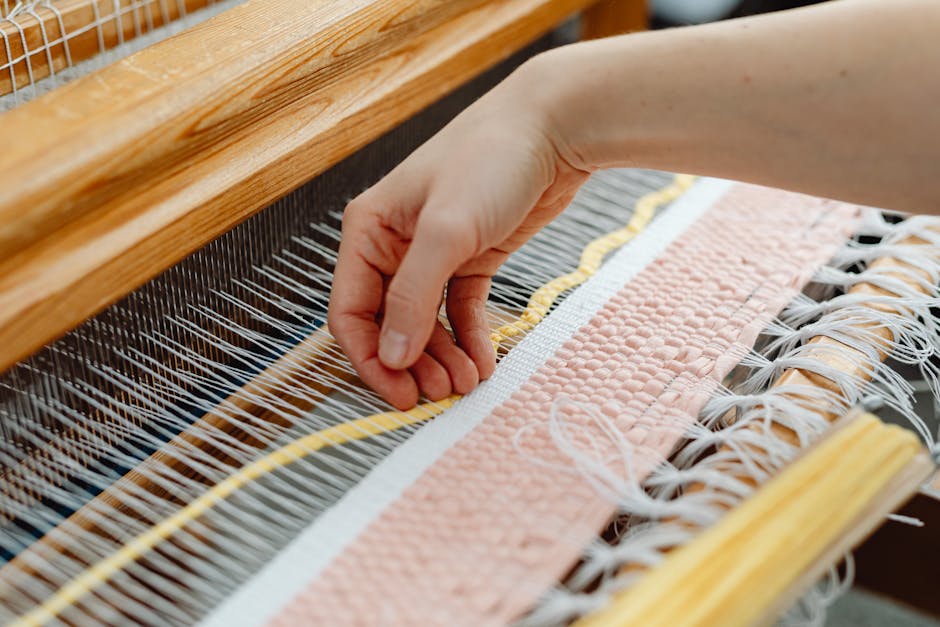
- Discovery workshop at Antico Opificio del Lino — duration 1h30, price €10–€25 (depending on materials included). Content: introduction to linen, demonstrations of spinning and weaving on a manual loom, opportunity to weave a small strip of linen to take home. Practical tips: book early (maximum 8 people per session), bring a smock or a T-shirt you don’t mind staining if you plan to take part in dyeing.
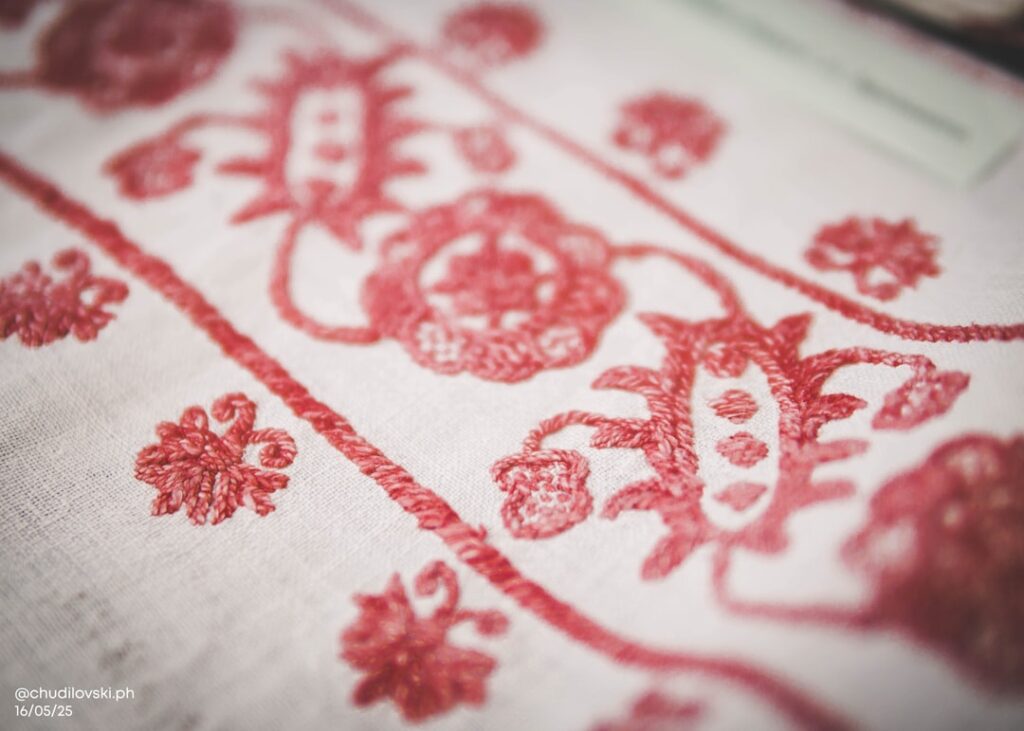
- Personalized embroidery course at La Casa del Ricamo — duration 3 hours, price €35. Content: learn cross stitch, stem stitch and a typical Amalfi motif; participants leave with a small embroidered doily. Tips: perfect for rainy afternoons; bring reading glasses if you need help with the fine details.
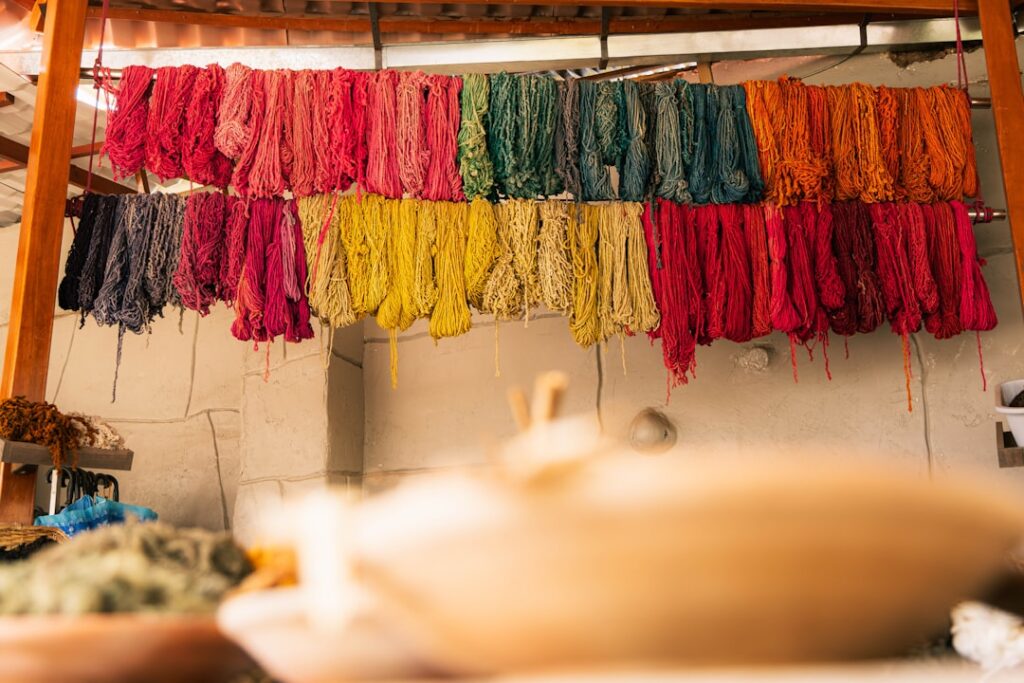
- Natural dye workshop at Luca Caruso Atelier — duration 3 hours, price €65. Content: techniques for dyeing with madder, indigo and chamomile; preparing the fabric, fixing colors and finishing. Participants can dye a 50×50 cm linen scarf. Tips: wear clothes you don’t mind staining and reserve the morning to avoid the afternoon heat.
Beyond single workshops, some studios offer short courses of 2 to 5 days to learn the flax chain more deeply: from fiber to finished product. These courses usually cost between €220 and €600 depending on duration and supplied materials. They often include visits to material suppliers, demonstrations of antique linen restoration and evening meetings with local designers. If you’re considering a course, ask in advance which materials are provided (threads, needles, fabrics) and what you should bring (apron, closed-toe shoes for working on historic looms). Also check whether the workshop issues a participation certificate if you want to showcase the experience on a creative CV.
Techniques, materials and motifs: what makes quality
Telling good linen apart takes a bit of an eye and a lot of hands-on sense. True linen is slightly coarse to the touch, becomes softer with every wash, and is sturdy yet breathable. Here are the elements to check and the most representative local techniques:
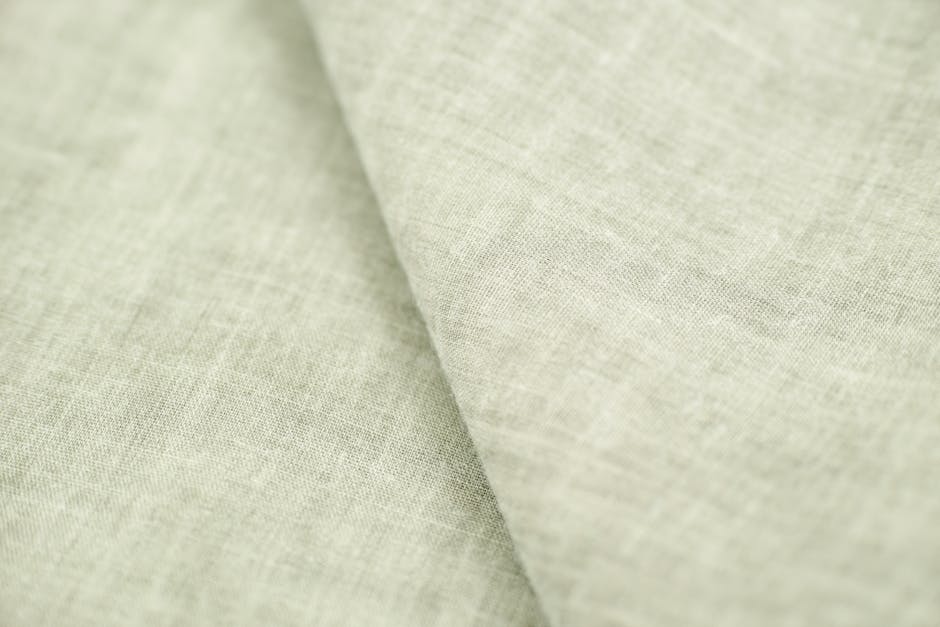
- Yarn quality and weave density: high-quality linen has even yarns and a tight weave that ensures durability and structure. For a duvet cover, aim for a minimum weight equivalent to 200 g/m². Typical prices: linen duvet cover 200 g/m² from €220; 300 g/m² and up €320–€450 depending on weave.
- Natural dyes: madder for warm reds, indigo for deep blues, chamomile for soft yellows. Plant-based dyes produce unique, uneven shades. These pieces are usually more delicate to care for (wash at 30°C recommended); expect to pay an extra €10–€40 for a hand-dyed item.
- Traditional embroidery: floral motifs, shells and arabesques inspired by the Duomo di Amalfi facades. Hand embroidery requires hours of work: a large tablecloth can cost €120–€300 depending on complexity. Check the label or ask the time required to estimate value.
- Bespoke tailoring: curtains, round tablecloths for restaurants, mattress covers — allow 7 to 21 days depending on the season. Typical prices: custom curtain (per panel) €80–€250; round tablecloth diameter 160 cm €140–€220.
Another crucial aspect is the origin of the fibers. The best European linens come from France, Belgium and the Netherlands; some local workshops blend European linen with Italian cotton to lower the price without sacrificing too much quality. If you’re after authenticity, ask: « Where does the linen come from? » and « Is it 100% natural linen? » Serious workshops will provide clear labeling and sometimes a technical sheet with weight, composition and care instructions.
Practical tips for buying, visiting and bringing your textiles home
Visiting textile ateliers on the Amalfi Coast is a lovely experience, but it helps to have some practical pointers to make the most of your visits and purchases.
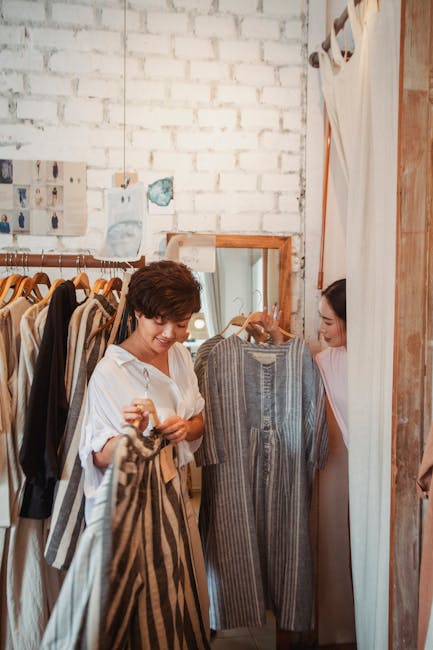
- Best times to visit: morning (10:00–12:30) to see artisans at work before the tourist rush; late afternoon (17:00–19:00) for a quieter vibe. Avoid lunchtime (13:00–15:30) when many small workshops close.
- Bargain with respect: in neighborhood shops the listed price often reflects true artisanal value. You can try a slight negotiation (5–10%) especially if buying several pieces or ordering custom work; always do so courteously.
- Quality check: ask to inspect interior seams, button strength and tablecloth edges. For hand-embroidered items, check the back of the embroidery: clean, neat work is a sign of an experienced embroiderer.
- Transport and packaging: for bulky items (curtains, duvet covers), ask about international shipping options; most workshops ship via Poste Italiane or private couriers, fees extra (budget €20–€80 depending on volume and destination). For air travel, pack linens in vacuum storage bags to save space and reduce creasing.
- Responsible souvenirs: prefer purchases from local workshops rather than tourist stalls. Workshops that provide certificates of origin or a descriptive tag for each piece are often better quality.
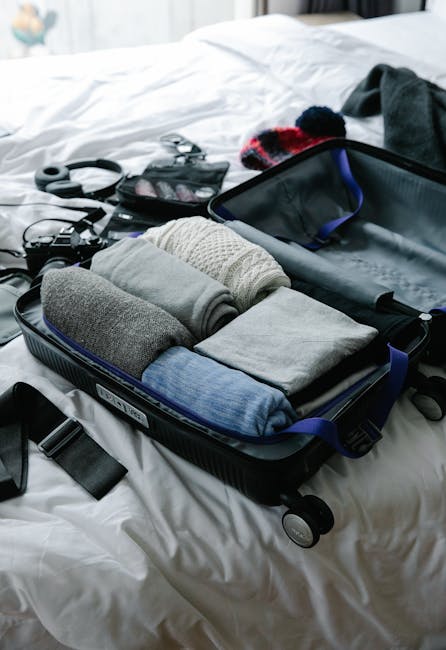
Finally, keep a few euros in cash: many small workshops accept cash only for purchases under €50, or offer a discount for cash payments. If you plan a custom order, request a deposit (generally 30–50%) and a written delivery timeframe. Above all, trust your nose and your hands: true linen is recognized by touch and a gentle, natural scent—not by a flashy label.
Conclusion — Bringing home a textile memento of an authentic stay
Exploration, learning and responsible buying: those are the three pillars of a successful linen and textiles experience on the Amalfi Coast. The workshops in Amalfi and nearby towns like Ravello or Minori offer more than just products: they pass on a story, gestures and cultural heritage you can feel in an embroidered doily, a hand-dyed tablecloth or a custom-made duvet cover. By choosing to buy from these places, you support artisan families, help preserve sometimes-endangered techniques and go home with an item full of meaning.
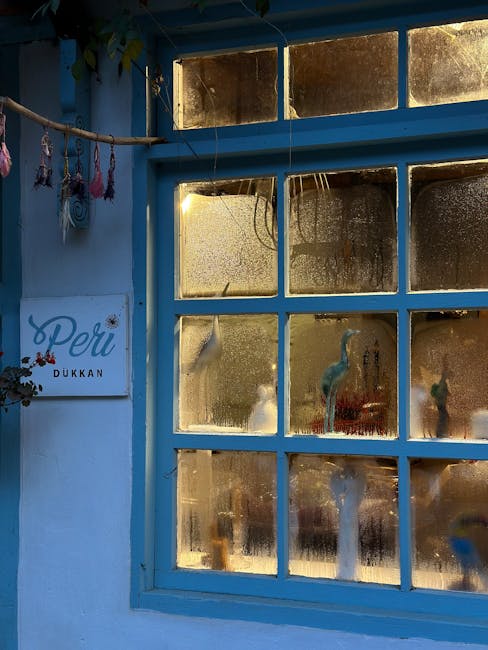
Before you leave, plan ahead: book your workshops, check opening hours (often adjusted in high season), and ask for clear information about prices and lead times for custom orders. Pack compressible bags to make transport easier and, if possible, check shipping options if your purchase exceeds your luggage allowance. The real luxury here isn’t the tag but authenticity—a tablecloth that took hours to make, a dye mixed from local plants, or a small square of linen you wove yourself in 90 minutes.
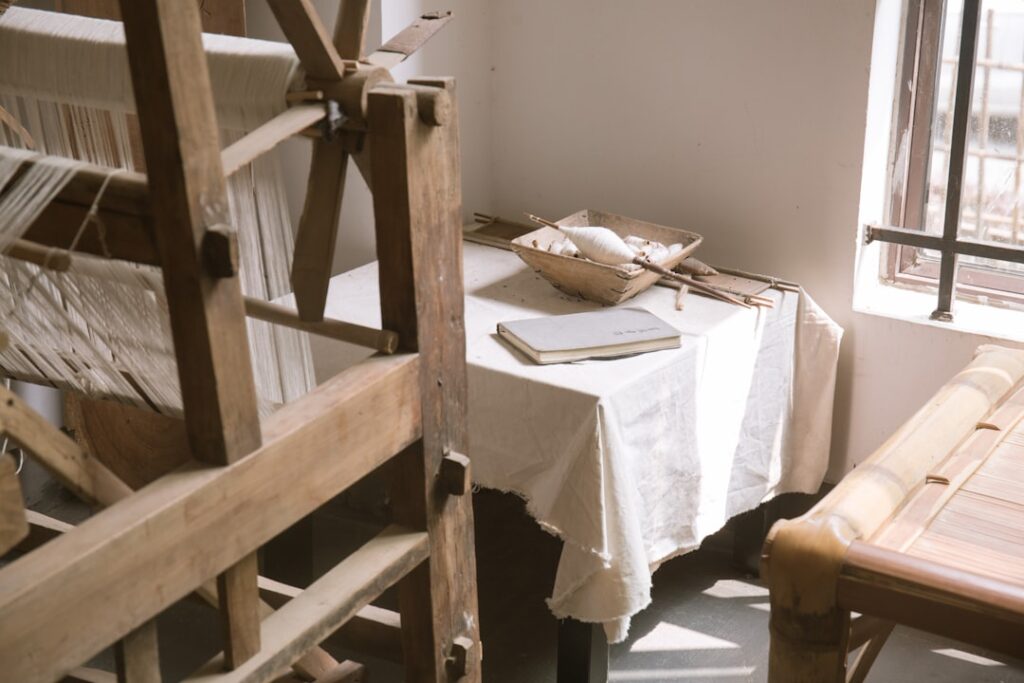
Above all, leave time for conversation: a chat with an artisan often reveals local anecdotes—how a particular embroidery recalls a religious festival, why a dye is still made from a grandmother’s recipe, or how a design was inspired by a Duomo mosaic. These stories weave the true value of the linen you bring home. If you follow a few simple rules—quality checks, respect for prices and support for local workshops—you won’t just bring back an object: you’ll carry home a living piece of the Amalfi Coast, ready to become part of your daily life and to tell its story in turn.