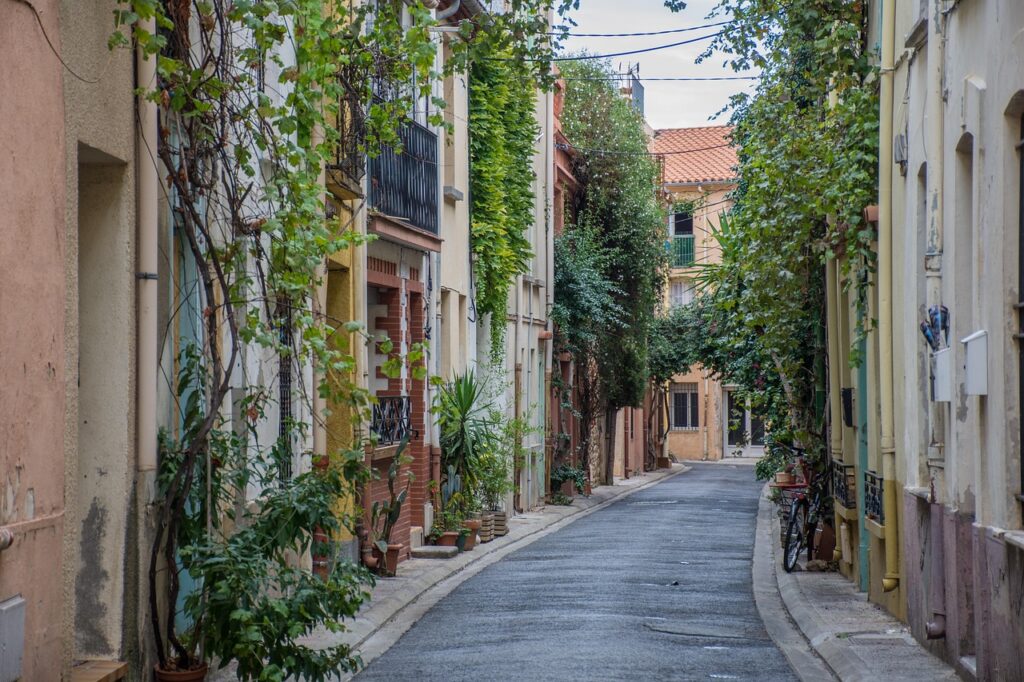






Introduction: Botanical Stroll on the Amalfi Coast — a Sensory Journey
The Amalfi Coast, a UNESCO World Heritage site, is more than a string of cliffside villages and turquoise seas: it’s a living stage where the diversity and resilience of Mediterranean flora reveal themselves at every turn. This botanical stroll invites you to explore native trees and rare species tucked into historic gardens, coastal paths and terraced farms. The goal is to understand how humans and nature have lived side by side for centuries here, shaping stepped landscapes, ancient olive groves, and ornamental gardens that shelter aromatic plants, heritage trees and protected species.
Heading out on a botanical walk along the Amalfi Coast starts with learning to read a landscape defined by a semi-arid climate, limited elevation and exposure to sea winds. You’ll encounter the macchia mediterranea (Mediterranean scrub) made up of broom, rockroses, myrtles and mastic; hardy trees like Aleppo pine (Pinus halepensis) and cork oak (Quercus suber); and more localized rarities such as wild orchids, introduced succulents and heirloom olive varieties. These plants show up equally in the villa ornamental gardens and in the stone terraces farmed by local growers.
Throughout this guide you’ll find specific places — Villa Cimbrone, Villa Rufolo, the Sentiero degli Dei, Amalfi’s public gardens — with addresses, opening hours, prices and immersive descriptions. Each site is detailed to support both contemplative and scientific exploration: where to spot a particular tree, the time of day when herb scents are most pronounced, and which rare species deserve special attention. I’ll also offer practical tips: how to get to each spot (bus, ferry, on foot), what gear to bring (hiking shoes, a hat, a field notebook), and how to follow conservation rules (don’t pick plants, don’t climb the terraces).
Finally, the walk has a cultural dimension: historic gardens here are often linked to places of worship, aristocratic villas and agricultural traditions (like Sorrento lemon harvesting or traditional olive pruning). We’ll look at local growing techniques, derivative products (liqueurs, oils, jams) and the small natural treasures you can admire without threatening their survival. Whether you’re an amateur botanist, nature photographer, hiker or curious traveler, this guide will help you plan an in-depth, respectful discovery of the Amalfi Coast’s exceptional plant life.
Villa Cimbrone (Ravello): Panoramic Terrace and Mediterranean Collections
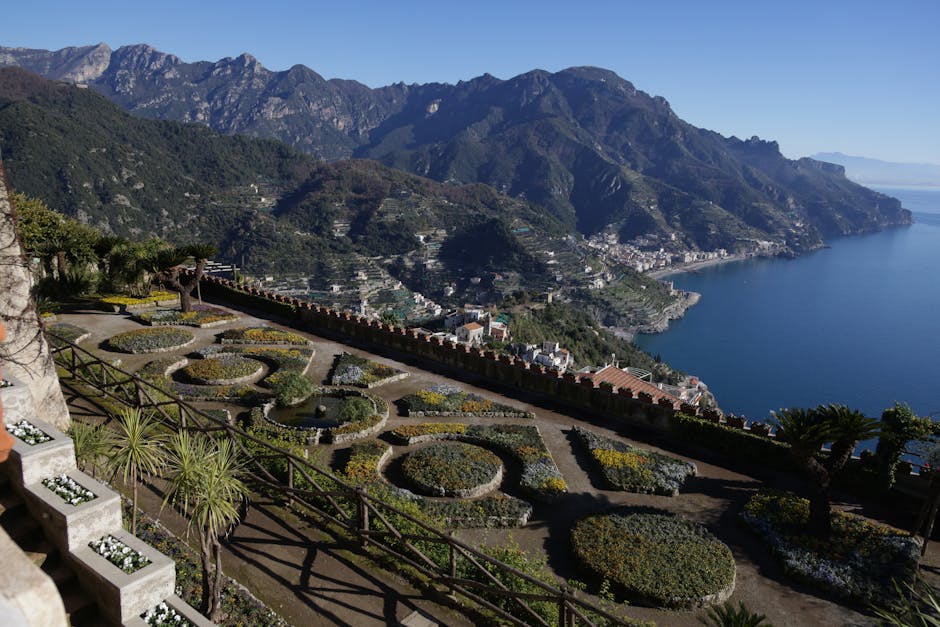
Villa Cimbrone is one of the Amalfi Coast’s prime botanical lookout points thanks to its historic gardens and the famous Terrazza dell’Infinito. Full address: Villa Cimbrone, Via Santa Chiara, 26, 84010 Ravello SA, Italy. Opening hours: generally open daily from 09:00 to 19:30 (extended hours in high season; variable closures November–January). Price: garden admission around €8.00 per person (indicative; discounts may apply for students and seniors).
Villa Cimbrone’s gardens combine formal Italian beds, Mediterranean thickets and subtropical plantings. On arrival you’ll be greeted by alleys of oleanders (Nerium oleander) and plane trees shading stone benches. As you ascend toward the Terrazza dell’Infinito you’ll pass lawns dotted with strelitzias, agaves and aloes, illustrating how exotic species can acclimate to the coast’s warm, dry microclimate. Lower down, groves of myrtle (Myrtus communis) and rosemary (Rosmarinus officinalis) fill the air with fragrance, particularly powerful in the late afternoon when the sea breeze cools.
Notable species: several multi-century olive trees (Olea europaea) testify to the site’s agricultural past; rare junipers and dwarf palms add a 19th-century historic flavor from the era when exotic collections were planted. Wild orchids may be seen on the stone walls in spring and early summer. Water appears in small fountains and rock-loving plants like sedums thrive in limestone crevices.
Local tips: arrive early to avoid crowds and to enjoy the rosemary scent; walk from Piazza Vescovado via Via Roma then Via Santa Chiara for a gentle climb (allow 10–15 minutes from Ravello center). Consider a combined ticket if you plan to visit Villa Rufolo the same day — it can save you a few euros. Respect signage and do not enter private areas, especially near historic terraces.
Villa Rufolo and Ravello Gardens: A Mosaic of Species and Botanical History
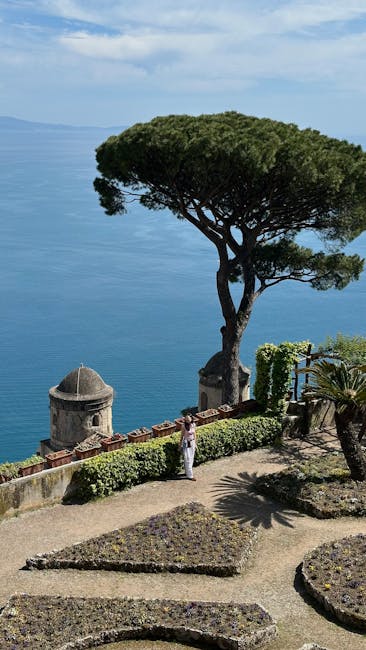
Villa Rufolo sits in Ravello’s historic heart at Piazza Duomo, 5, 84010 Ravello SA, Italy. Opening hours: generally open from 09:00 to 19:00 (high season); hours may change due to cultural events. Price: garden and cloister entry around €8.00 (indicative), with separate fees for certain concerts or exhibitions. Villa Rufolo is famed for its terraced gardens, which inspired Wagner and still host the Ravello Festival each summer.
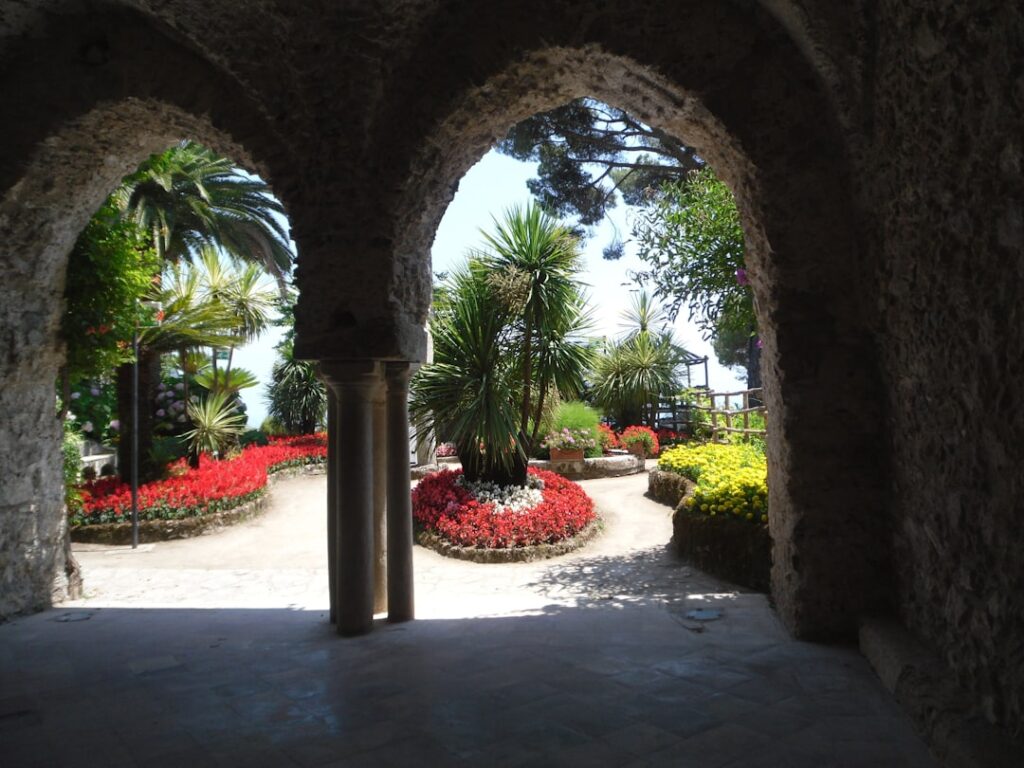
The site blends medieval architecture with Mediterranean plantings. Approaching from Piazza Duomo you’ll notice strawberry trees (Arbutus unedo) and beds of culinary herbs once used in monastic cooking. The terraces are structured with pergolas and stone walls where caper bushes (Capparis spinosa) cling to fissures; these produce capers that locals have preserved for generations.
Botanically, Villa Rufolo shows a range of species: bitter oranges (Citrus aurantium), lemon trees (Citrus limon) typical of the area, jasmines (Jasminum spp.), and several heritage citrus varieties. The stone walls favor pioneer flora: rock ferns, small saxifrages and succulents like opuntias. Stone pines (Pinus pinea) provide shaded counterpoints, while olive trees and terraced vineyards recall the narrow but rich agricultural economy.
Practical notes: Villa Rufolo is best visited in late morning when the light brings out the citrus colors. Bring a hat and water—the sun can be strong. Don’t miss the cloister, where a medicinal herb collection is sometimes on display. Photographers will find many compositions combining medieval arches and flower beds. To dive deeper, book a guided tour (local guides offer botanical walks for roughly €30–50 per person for small groups; rates vary) to learn about plant introductions and local cultivation practices.
Sentiero degli Dei (Path of the Gods) and the Macchia Mediterranea: Hiking and Wild Botany
The Sentiero degli Dei, or Path of the Gods, is one of the most iconic coastal trails linking the hamlets of Agerola (Bomerano) to Nocelle (Positano). Main trailhead: Bomerano, 84010 Agerola (access via SP1). The trail is free and open year-round, but it’s recommended to hike between 07:00 and 17:00 during hot months. Approximate duration: 3 to 4 hours depending on stops; difficulty: moderate (rocky paths, occasional elevation changes). There’s no entrance fee.
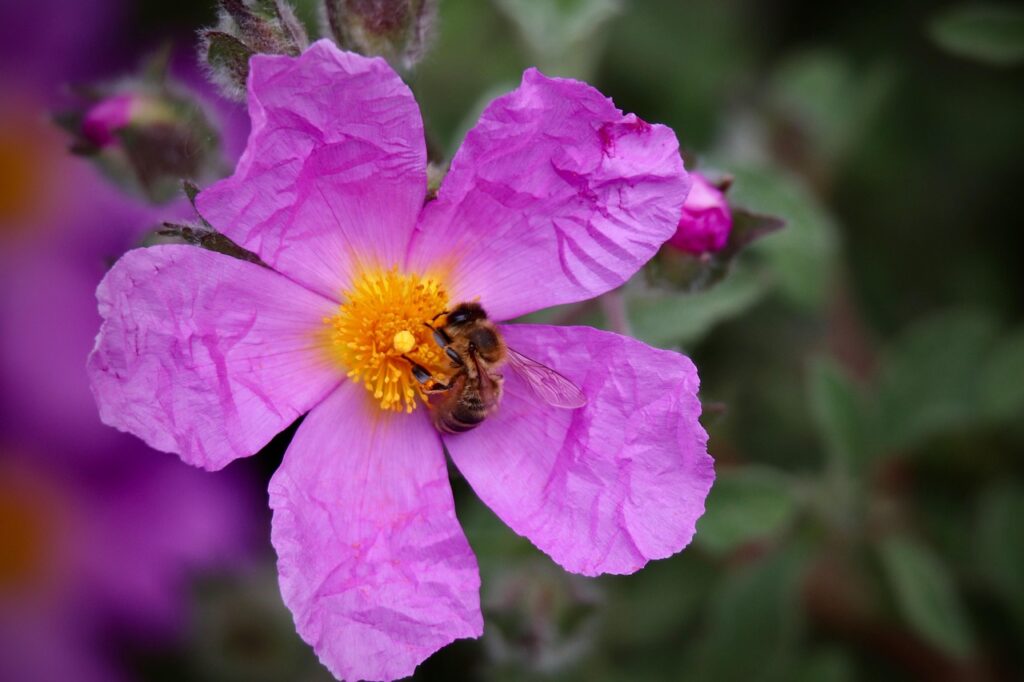
This trail offers direct immersion in the macchia mediterranea: the landscape is dominated by mastic (Pistacia lentiscus), juniper (Juniperus oxycedrus), rockrose (Cistus spp.), heathers and carpets of thyme (Thymus capitatus). On cliff edges, salt- and wind-tolerant plants like large-leaved wormwood (Artemisia arborescens) and sea lavender (Limonium spp.) thrive. In spring the route is dotted with wild orchids and Mediterranean irises; in summer the white and purple blooms of rockroses take over.
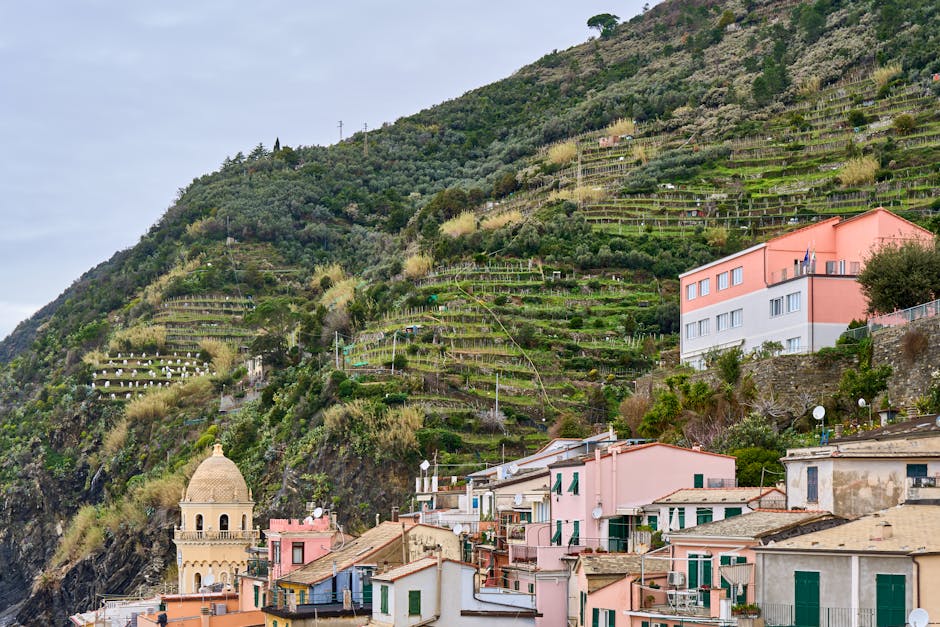
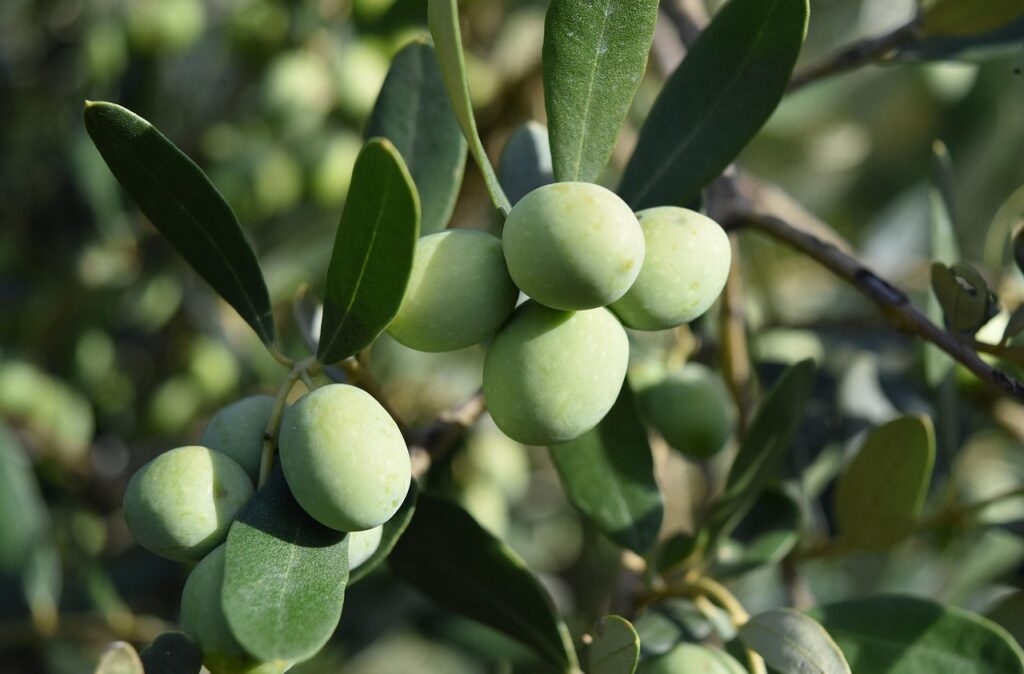
Botanical highlights: the agricultural terraces visible from the trail show olive trees (Olea europaea), terraced lemon groves and small vegetable plots growing basil, rocket and tomatoes. These parcels act as microhabitats for pollinating insects and small reptiles. Limestone cliffs host rupicolous plants — saxifrages and certain chenopods — adapted to thin soils.
Practical tips: wear sturdy hiking shoes and carry 1.5–2 liters of water per person in summer. Avoid picking flowers and respect the trail edges: the terraces are private and protected. For a guided approach, local guides (Agerola Nature Guides — tours from about €35 per person for a half-day) run botanical outings where you’ll learn to identify species and traditional uses (cooking, folk remedies). Access: SITA buses connect Amalfi and Agerola; from Positano take the bus to Nocelle then walk west to reach the trail.
Amalfi and the Urban Gardens: Native Species, Traditions and Markets
The town of Amalfi is both a gateway to botanical hikes and a place where vegetation meets craftsmanship. Central address: Duomo di Amalfi, Piazza Duomo, 84011 Amalfi SA, Italy. Public gardens and the small Annunziata valley (Valle dei Mulini) provide pockets of urban biodiversity. Opening hours for public spaces vary, but squares and promenades are accessible 24/7; some temporary exhibitions in local museums may require tickets (Museo del Duomo, Chiostro del Paradiso — fees vary around €4–6).
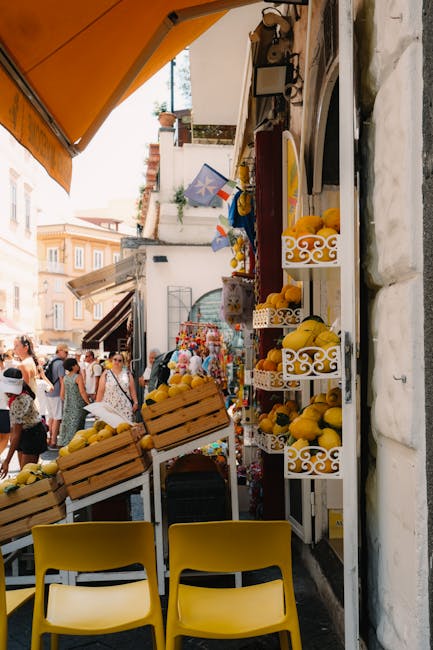
In Amalfi you’ll see heavy use of citrus: potted lemon trees (Citrus limon) decorate alleys, and the famous « Limone di Amalfi » represents a protected agro-food tradition. Lemon-based products — limoncello, jams, scented oils — are sold along Via Lorenzo D’Amalfi and at the local market in Piazza Municipio. In spring the terraced orchards emit a fresh fragrance, blending citrus blossom with pine resin.
Urban gardens also display laurestinus (Viburnum tinus) hedges, vibrant bougainvillea and climbers such as caper bushes. Strolling along the Vallée dei Mulini (Via Mauro Comite, 84011 Amalfi) you can spot damp micro-ecosystems where some rare species settle: ferns, shade-loving plants and mosses, remnants of the old paper mills that once used the valley’s waters.
Local tips: visit Amalfi market in the morning (Piazza Flavio Gioia) to buy aromatic plants and locally made lemon soap. For an agricultural perspective, book a tasting at a small terraced farm (agritourism) where producers demonstrate citrus and olive growing methods — tastings typically cost €10–25 depending on the package. Respect local rules: don’t pick plants in public gardens or on private terraces, and always ask permission before photographing private property.
Conclusion: Extend Your Discovery While Respecting Life
The botanical walk along the Amalfi Coast delivers a wealth of landscapes and species that tell the story of a centuries-old relationship between people and nature. From Ravello’s historic gardens (Villa Cimbrone, Via Santa Chiara, 26; Villa Rufolo, Piazza Duomo, 5) to the wild panoramas of the Sentiero degli Dei, each spot teaches how local species — olives, citrus, macchia mediterranea — have been woven into cultural and economic practices. Garden admission fees (around €8.00) remain accessible and encourage regular visits, but the real value lies in the sensory experience: the scent of rosemary in the morning, lemons glittering in the sun, and the insect chorus across the terraces.
To deepen your exploration, consider complementary activities: a guided botanical tour (≈ €30–50 for a small group), a half-day on the Sentiero degli Dei with a local guide (≈ €35), or an agritourism tasting (€10–25). Bring a field notebook, a loupe to examine flowers, and follow basic conservation rules: do not pick wild plants, stay on marked trails, and support local producers by buying products and plants at markets.
Finally, the best way to honor this place is to leave with renewed knowledge and a respectful attitude: share information about conservation, favor local guides, and document without removing. The Amalfi Coast isn’t just a postcard scene: it’s a fragile, living ecosystem shaped by centuries of human practice and plant adaptation. Walking its trails and visiting its gardens, you contribute to recognizing that value — provided you do so with patience, curiosity and respect.