




Introduction — Living craft on the Amalfi Coast: between sea, kilns and paper
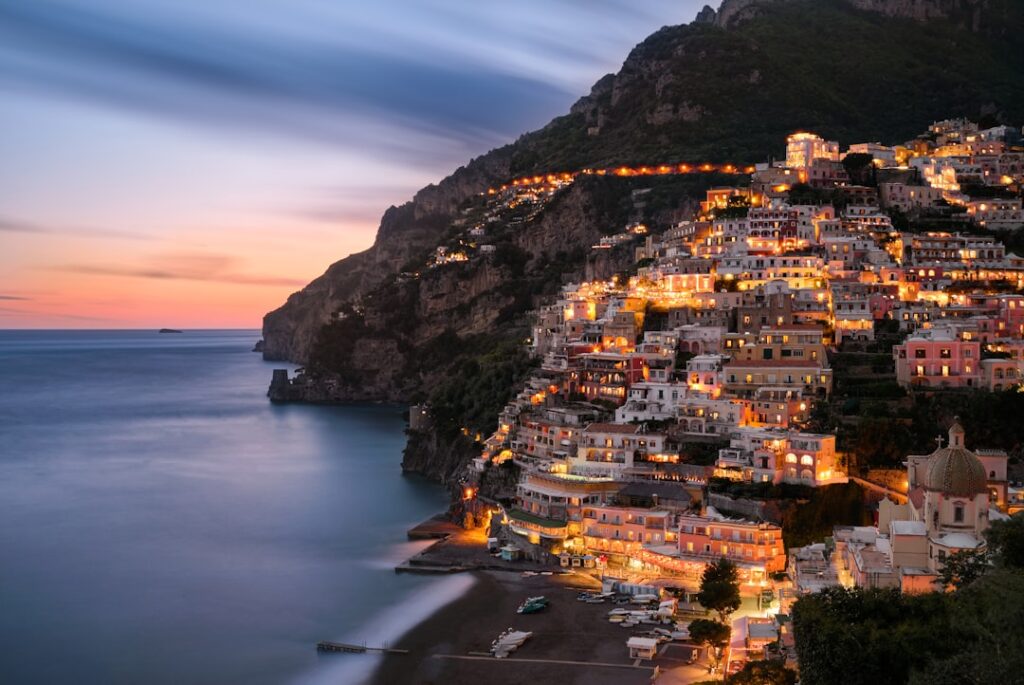
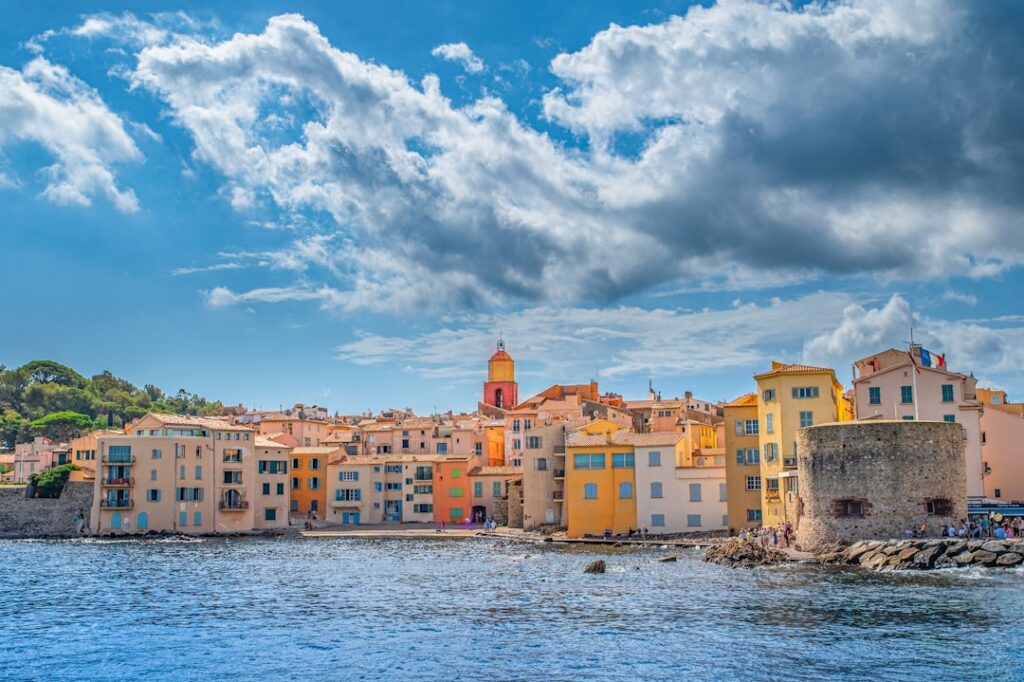
The Amalfi Coast, with its cliffs plunging into an azure sea, brightly painted villages and terraced gardens, is more than a postcard landscape: it’s a place where millennia‑old craft traditions are still passed down today. The coast’s craft museums preserve, explain and often practice those traditions — from handmade paper in Amalfi to the ceramic kilns of Vietri sul Mare, from fine coral carving in Torre del Greco to weaving and woodworking ateliers. Visiting these sites lets you see how a unique geography (microclimate, rock, plants and marine resources) shaped specific trades, and how those trades continue to define the region’s cultural identity.
This guide is made for the curious traveler: it gathers practical details (exact addresses, prices in euros, current opening hours), immersive descriptions of collections and workshops, and local tips to deepen the experience — where to buy, how to join a hands‑on session, what time of day to visit to avoid crowds, and which makers to contact for custom pieces. Each museum highlights the gesture, the tool and the material: Amalfi paper is literally readable under your fingertips, Vietri ceramics burst into color after hours in the kiln, and coral is carved into astonishingly delicate jewelry. These museums are more than display cases: many offer live demonstrations, guided tours in Italian and English, and introductory workshops for adults and children.
Exploring these museums also raises contemporary issues: sustainable use of marine resources (especially coral), preservation of traditional kilns, intergenerational transmission, and blending modern design with ancestral techniques. In this article you’ll find detailed descriptions of the sites, exact directions from Amalfi, Positano or Salerno, entrance fees, seasonal opening times, and practical tips to enrich your visit — what items to bring home, best moments to take part in a demo, and how to responsibly support local artisans.
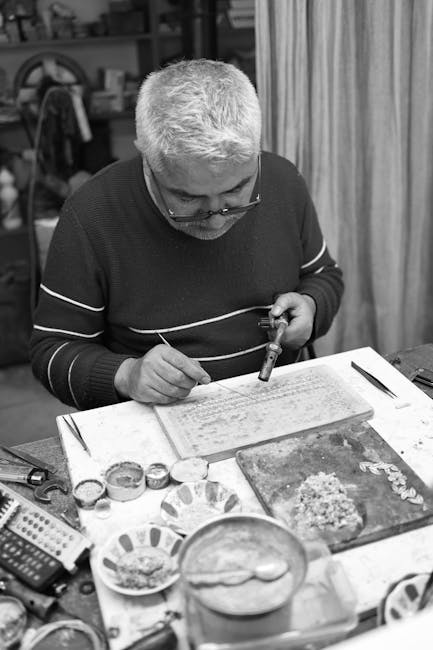
Museo della Carta – Amalfi: handmade paper and the old paper mill machines
Address: Museo della Carta – Valle dei Mulini, Via delle Cartiere, 13, 84011 Amalfi (SA). Price: general admission €6.00; reduced (students, seniors) €4.00; free for children under 6. Hours: open daily 09:30–18:00 (closed December 25). Guided tours in English at 11:00 and 15:00; group tours by reservation.
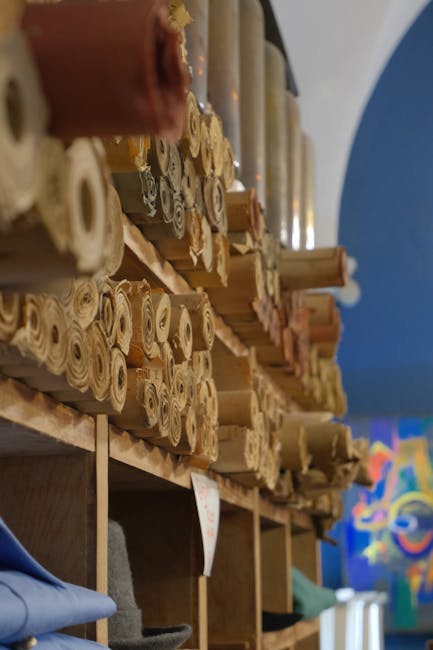
Housed in the old paper‑mill complex along the gorge of the Valle delle Ferriere, the Museo della Carta offers a sensory immersion into traditional Amalfi paper‑making, renowned since the Middle Ages for its strength and fineness. From the moment you enter, the cool of the valley and the scent of damp paper are striking. Exhibition rooms trace the technical history — from beating the fibers to forming sheets on the mould, then drying on frames — and display restored presses, wooden moulds and workshop tools.
The visit includes a live demonstration: a master paper‑maker shapes sheets in front of visitors, explaining each step (mixing cotton and linen fibers, straining on the mould, pressing and attaching watermarks). You can handle still‑damp sheets and feel how texture varies with pulp thickness. The museum also runs a hands‑on workshop (« Make Your Amalfi Paper »): €25 per person for 1h30 (reservation recommended; available in English and Italian). Recommended souvenirs: hand‑bound notebooks, prints made on Amalfi paper and reproductions of historical documents.
Local tips: arrive early (09:30–11:00) to avoid groups coming from shuttle tours; in summer the valley is cooler than the coast — bring a scarf. For a fuller experience, combine the museum with a short hike in the Valle delle Ferriere (a marked trail that leads to an old waterfall).
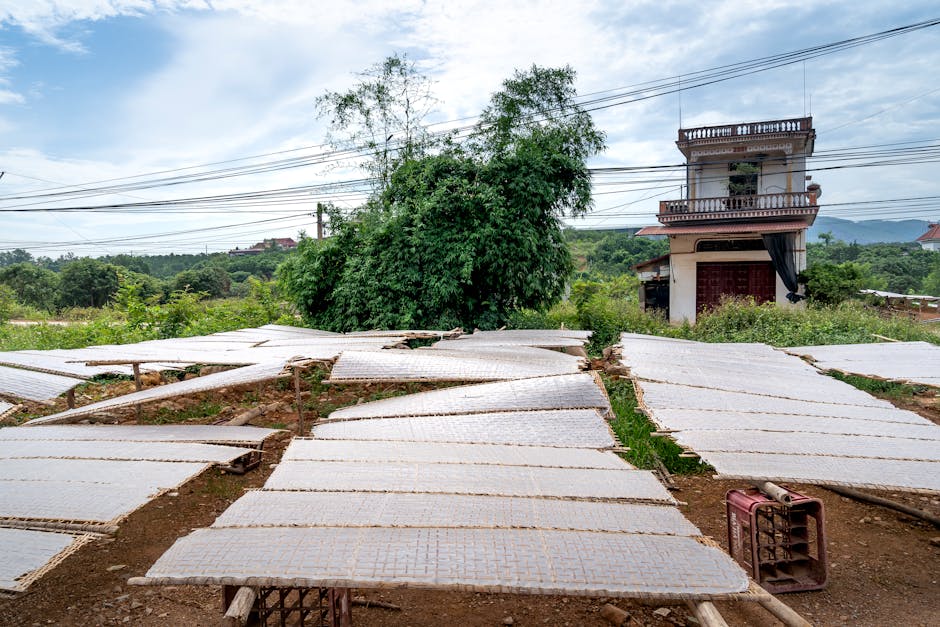
Museo Provinciale della Ceramica – Vietri sul Mare: colors, kilns and Vietri decorations
Address: Museo Provinciale della Ceramica, Via De Renzis 2, 84019 Vietri sul Mare (SA). Price: general admission €7.00; reduced €5.00; audio guide €2.00. Hours: Tuesday–Sunday 10:00–18:00; closed Mondays (except public holidays). Decoration workshops: €35 per person for 2 hours (painting and quick firing).
The ceramic tradition of Vietri sul Mare literally lights up the Amalfi Coast. The Museo Provinciale della Ceramica tells this story through historic pieces (dishes, majolica, decorative panels) and contemporary work by local artisans. The atmosphere is vibrant: cobalt blues, lemon yellows, glazed greens and rich ochres reveal how motifs adapted under Oriental, Spanish and local influences. Rooms are organized by technique — majolica, slip, sgraffito — and by use (domestic, religious, architectural).
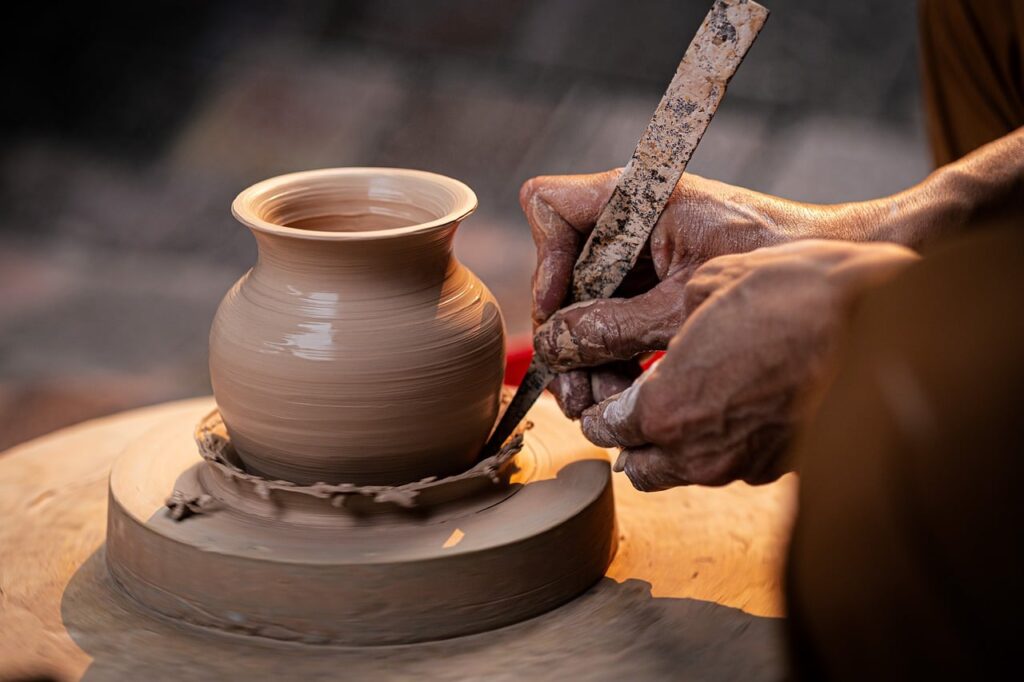
One of the most engaging areas is the workshop‑museum where local potters demonstrate throwing on the wheel, glazing and brush decoration. Educational displays explain firing temperatures (earthenware vs. stoneware) and the stages of kiln firing. The museum regularly hosts public mural decoration demos and potter’s wheel courses (throwing and decorating): check the seasonal schedule, as intensive sessions run in spring and autumn when tourist demand drops.
Practical tips: if you’re buying pieces to bring home, ask for professional packaging (available from museum shops or the information desk); ferries and car trips require careful padding. Also visit ceramic studios on Via San Giovanni or in the Rione Portovecchio, where you can often commission custom pieces (allow 2–4 weeks depending on complexity).

Museo del Corallo – Torre del Greco and marine jewelry workshops
Address: Museo del Corallo – Museo Civico di Torre del Greco, Via Aldo Moro 19, 80059 Torre del Greco (NA). Price: general admission €5.00; reduced €3.00; introductory workshops €20 (1 hour, carving on wax). Hours: Wednesday–Monday 09:00–17:00; closed Tuesdays. Live demonstrations mid‑day (11:00–13:00) and group visits by reservation.
Sitting at the mouth of the Gulf of Naples, Torre del Greco has a long reputation for coral carving. The Museo del Corallo documents both the history of Mediterranean coral trade and the technical skill of local jewelry workshops. Displays present brooches, necklaces, cameos and reliquaries, often set in gold frames crafted by nearby goldsmiths. A significant portion of the collection is devoted to tools — blades, precision needles and work models — and to conservation techniques for antique pieces.
The museum runs coral‑on‑wax beginner workshops and offers design sessions where a craftsman helps you sketch and create a custom jewelry idea; expect €60–120 for a simple commission (final price depends on material and metal mount). The museum is a great starting point to meet artisans along Corso Vittorio Emanuele, where boutiques and workshops offer repairs and contemporary designs. Important note: red coral is a protected resource; opt for certified coral or sustainable alternatives offered by some studios (reconstituted coral, local stones).
Local tips: request CITES certification for red coral pieces intended for export; favor buying finished jewelry over raw materials. If you want an in‑depth visit, contact the museum and ask for a conservation‑focused guided tour (especially useful for collectors).
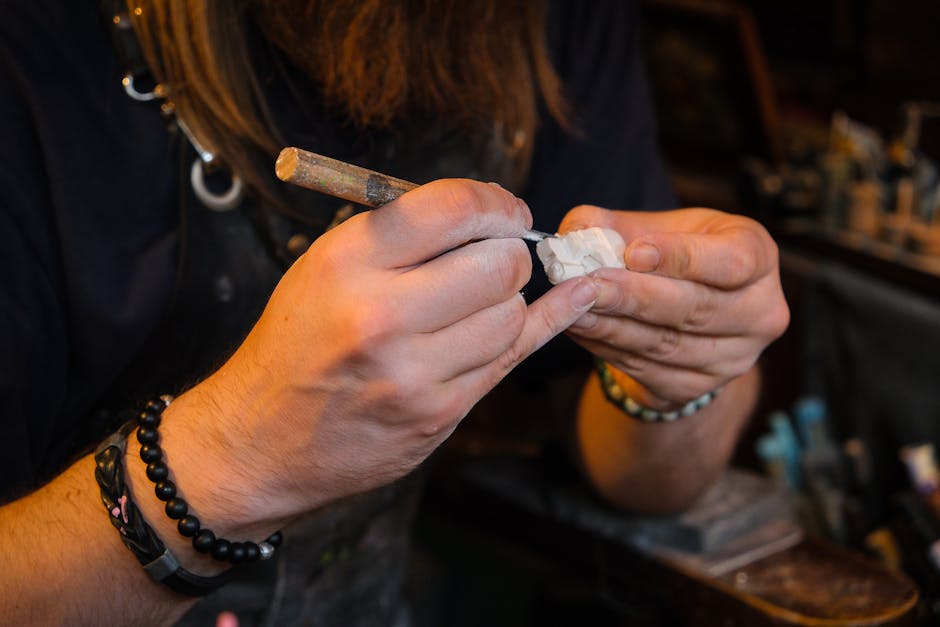
Conclusion — Weaving the craft experience into your coastal trip
The craft museums of the Amalfi Coast offer a twofold reward: the history of an intimate relationship between landscape and trade, and the chance to meet the hands that keep these skills alive today. The Museo della Carta in Amalfi, the Museo Provinciale della Ceramica in Vietri sul Mare and the Museo del Corallo in Torre del Greco form a representative trio: paper, earth and sea. Each site is not merely a place of conservation but a living workshop where you can learn, experiment and often leave with an object made in local tradition.
To make the most of these visits, plan ahead: book popular workshops during high season (July–August), favor morning hours for demonstrations and always ask about the origin of materials (especially for coral jewelry). Buy directly from ateliers rather than tourist shops, and if you’re an artisan or designer, don’t hesitate to request contacts for collaborations or special orders.
Finally, keep contemporary challenges in mind: conserving natural resources, promoting sustainable craft and ensuring transmission to younger generations. Supporting these museums helps keep alive the gestures that tell the story of the Amalfi Coast as much as its landscapes. Bring home not only objects, but a deeper understanding of how sea, land and people have shaped a living heritage together.