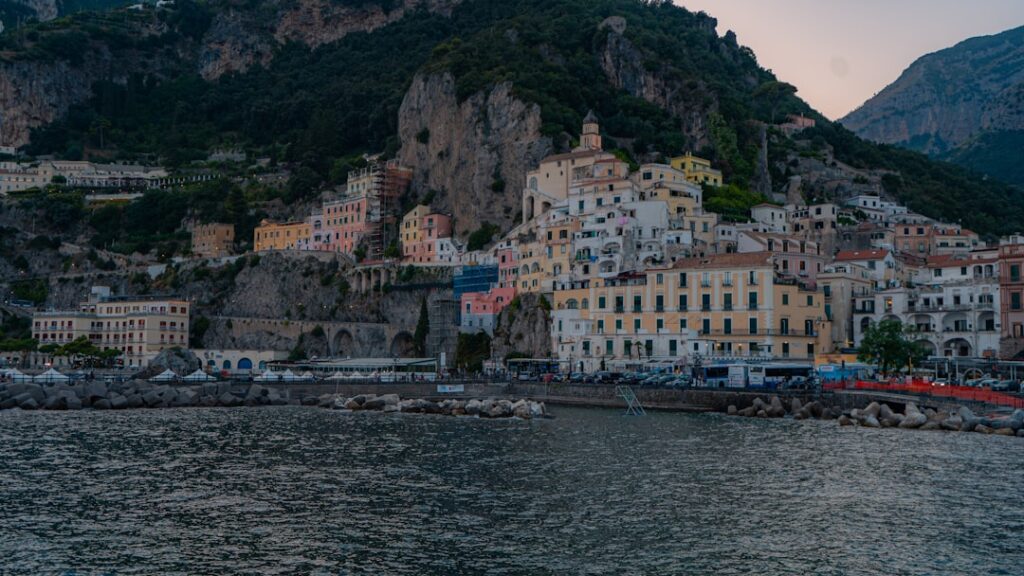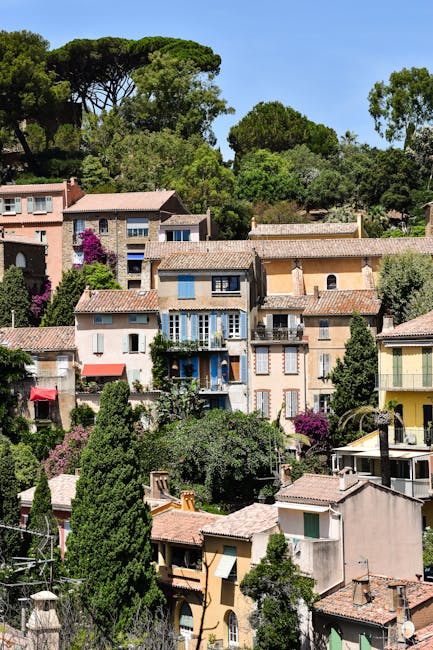






Introduction: The Enduring Elegance of Noble Villas on the Amalfi Coast
The Amalfi Coast — that rugged shoreline bathed by a deep-blue sea — is an open-air museum where history meets light and the scent of citrus. Amid steep alleys and cliffside villages, you’ll discover residences that for centuries stood as witnesses to a local and European aristocracy: villas with hanging gardens, maritime palaces, secluded Roman villas and pleasure houses that later became retreats for artists and travelers. Built by noble families, wealthy merchants or reimagined by patrons, these villas form a string of “timeless” places where architecture, décor and the landscape answer one another with restrained elegance.
Visiting these homes is more than admiring carved facades or ancient columns: it’s stepping into an echoing world where every salon and sea-facing terrace tells stories of power, love, music and celebration. Ravello’s gardens, Positano’s terraces, Amalfi’s cloisters and the remains of a Roman villa in Minori offer panoramas and atmospheres that feel almost unreal: cascades of bougainvillea, orange and lemon trees perfuming the air, ceramic tiles, faded frescoes and mosaics that have survived the centuries.
This article aims to take you on an immersive tour of the villas and residences of bygone nobility, with a practical, sensory approach. You’ll find detailed descriptions of must-see sites, exact addresses, seasonal opening hours and entrance fees, plus local tips — how to avoid cruise crowds, which footpath leads to a hidden terrace, or what to wear for sunny stair climbs and gardens. The focus is on both history and architecture lovers and travelers chasing perfect images or a quiet moment away from the tourist buzz.
We’ll visit Villa Rufolo and Villa Cimbrone in Ravello, perched above the sea and famed for their gardens and endless views; we’ll mention private villas and historic hotels in Positano, where cliffside homes meet craft and the sea; we’ll describe Amalfi and Atrani’s maritime palaces and cloisters, remnants of medieval naval power; and we’ll head down to Minori and Maiori to uncover Roman remains and lesser-known villas rich in surprises. Finally, you’ll get practical tips (tickets, transport, best photo times, on-site dining) so your visit is not only beautiful but relaxed.
The Amalfi Coast measures time in garden seasons and summer concert schedules. Many of these villas now have mixed statuses: museum, archaeological site, event venue or private residence. Respecting places and local rules — opening times, limited access, reserved areas — is part of the experience: these villas are not frozen sets but living treasures. Keep your eyes open, take the time to sit on a loggia or a doorstep facing the sea and listen to the cypress trees in the wind; in moments like that you’ll understand why these villas remain timeless.
Ravello: Villa Rufolo and Villa Cimbrone — Hanging Gardens and Endless Views
Ravello, sitting 350 meters above sea level, is the coast’s intellectual and garden jewel. Two villas dominate this artists’ village: Villa Rufolo and Villa Cimbrone. Both estates offer spectacular views over the Tyrrhenian Sea, but each has its own character shaped by centuries of aristocratic presence and successive restorations.
Villa Rufolo, built in the 13th century by the Rufolo family, is located at: Villa Rufolo, Piazza Duomo 5, 84010 Ravello (SA), Italy. Now owned by the municipality, it’s famous for its blended architecture — Arab, Norman and Mediterranean influences — and for its terraced gardens that inspired composer Richard Wagner. Opening hours: generally daily from 09:00 to 19:00 (last entry 18:30) in high season (April–September); in low season (October–March) hours are reduced, often 10:00–16:00. Indicative prices: adults €7, reduced €5 (students, seniors), children free up to 6 years. There’s sometimes a combined ticket linked to specific cultural events. Inside, the main courtyard, arcades and the sea-overlooking terrace are perfect spots for sunset photos. The site also occasionally hosts concerts as part of the Ravello International Festival — check the local calendar if you want to attend a recital in an unforgettable setting.
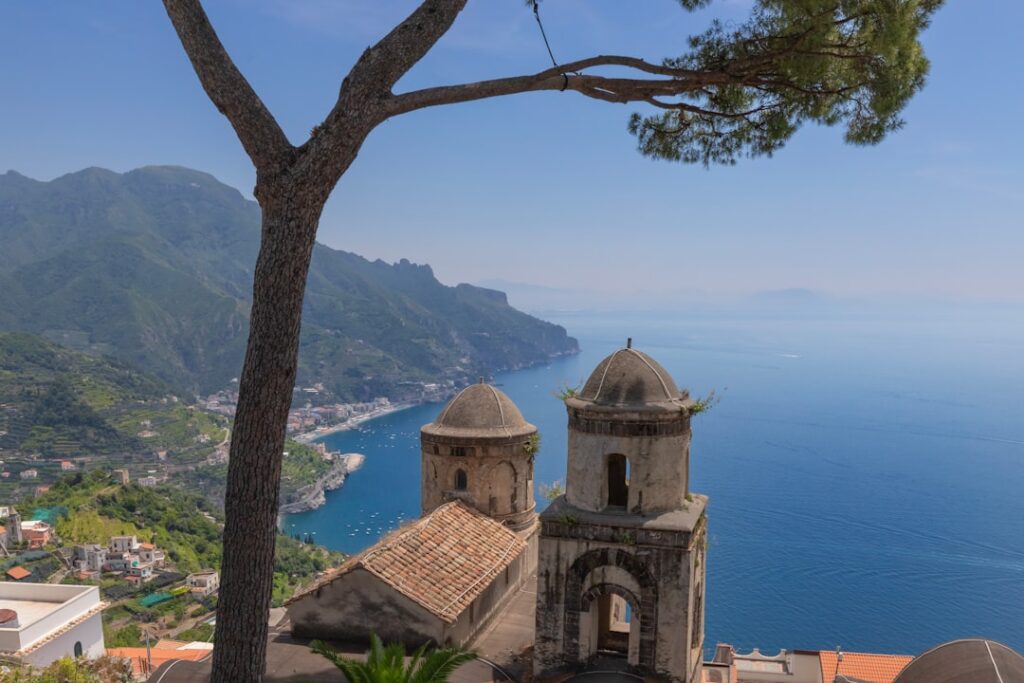
Villa Cimbrone, less medieval but just as evocative, is at Villa Cimbrone, Via Santa Chiara 26, 84010 Ravello (SA), Italy. Its gardens are renowned for the famous “Terrace of Infinity” — a viewpoint decorated with busts and balustrades that creates the illusion of a cliff without end. Opening hours: 09:00–19:30 in high season, with earlier closing times in winter; tickets: adults €7–€8, reduced €4–€6. Note that the main house (certain rooms) and parts of the gardens may require separate tickets during temporary exhibitions or private events. The experience at Cimbrone is sensory: inhale citrus and jasmine, wander paved paths, topiaries and carefully framed viewpoints. The path to the Terrace feels like landscape theatre, with every statue and hedge placed to compose a living picture.
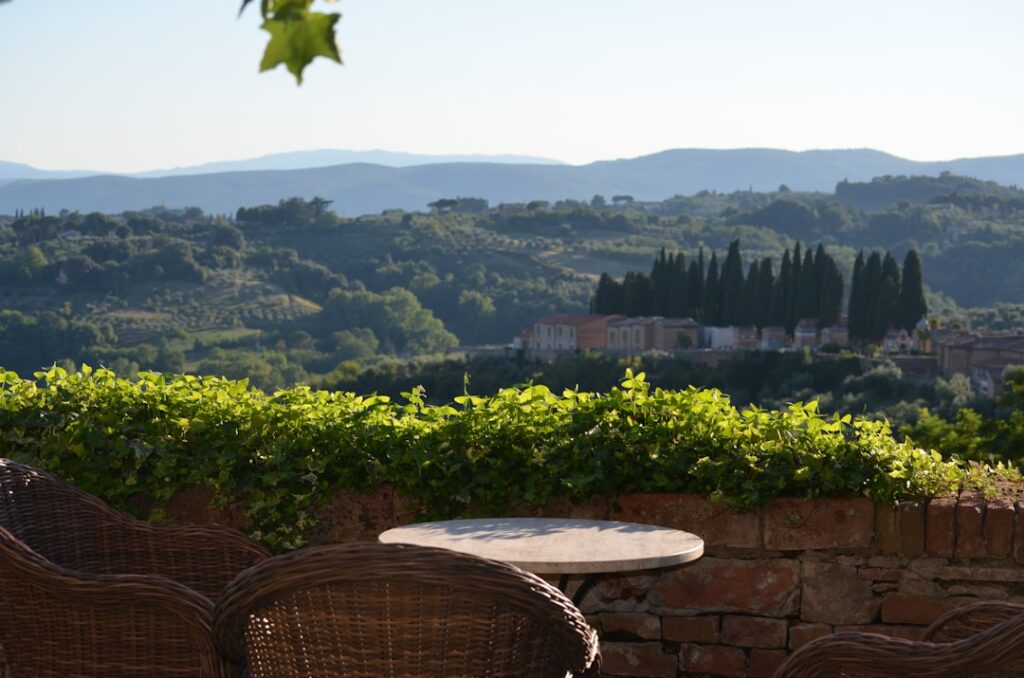
Practical tips for Ravello: arrive early in the morning (or late afternoon) to avoid tour buses and get softer light for photos. Ravello’s lanes are steep; wear comfortable shoes. Parking: Parcheggio San Giovanni, Via Roma, 84010 Ravello is a convenient but paid option (in high season expect €3–€6/hour). There are shuttles from lower parking lots. If you plan to visit both villas in one day, check whether a combined ticket or local pass is available, especially during festivals. Also bring water and a hat in summer — gardens offer little continuous shade.
 Click here to book a panoramic tour of Positano, Amalfi and Ravello
Positano and Cliffside Residences: Villa La Rondinaia, Palace-Hotels and Pictorial Views
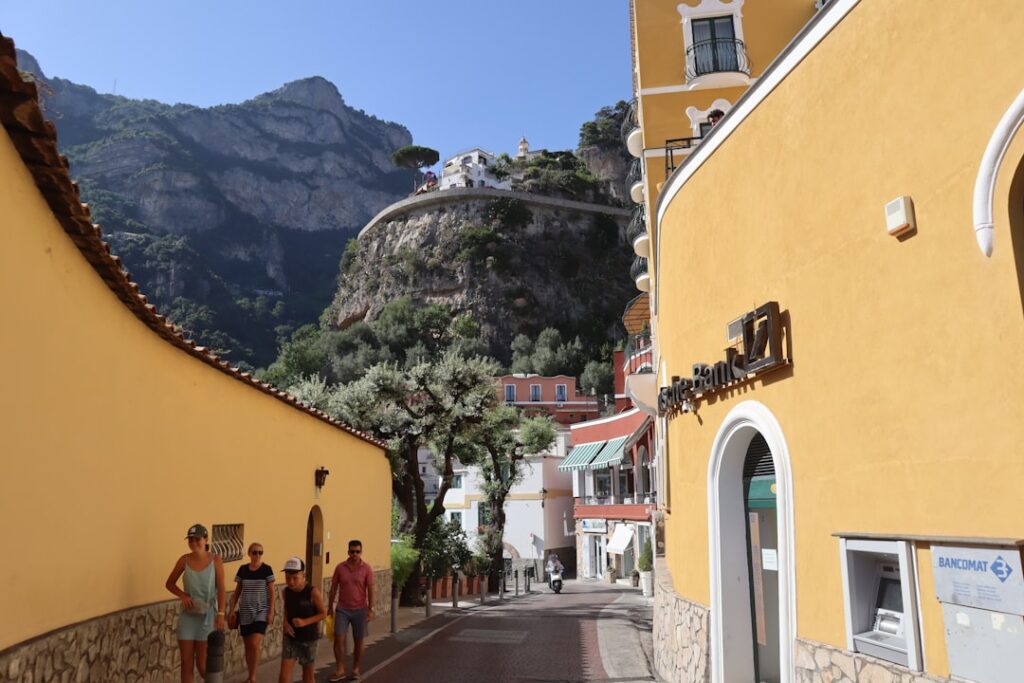
Positano, with its cascading colorful houses and endless stairways, hosts villas and residences that were once private homes for influential families or became retreats for artists and celebrities. Among them, Villa La Rondinaia (reportedly once home to figures like Jacqueline Kennedy, according to some sources) is one of the most iconic, though it remains largely private and is usually accessible only through stays or booked visits.
Address and general info: Villa La Rondinaia, Via San Francesco 27, 84017 Positano (SA), Italy (note: private property, visits only by reservation or on exceptional occasions). For independent visitors, several historic hotels — converted from old villas or palaces — let you taste the aristocratic atmosphere by booking a night or reserving a lunch table. One example is Il San Pietro di Positano (Via Laurito 2, 84017 Positano, tel. +39 089 875 999), a former noble residence turned luxury hotel with refined architecture, terraces, gardens and private sea access. Room rates vary widely by season: in high season expect starting prices around €500 per night, while in low season rates may drop to €250–€300. Restaurants and bars at these properties sometimes accept outside guests with prior reservation.
Click here to book a pasta and tiramisu cooking class
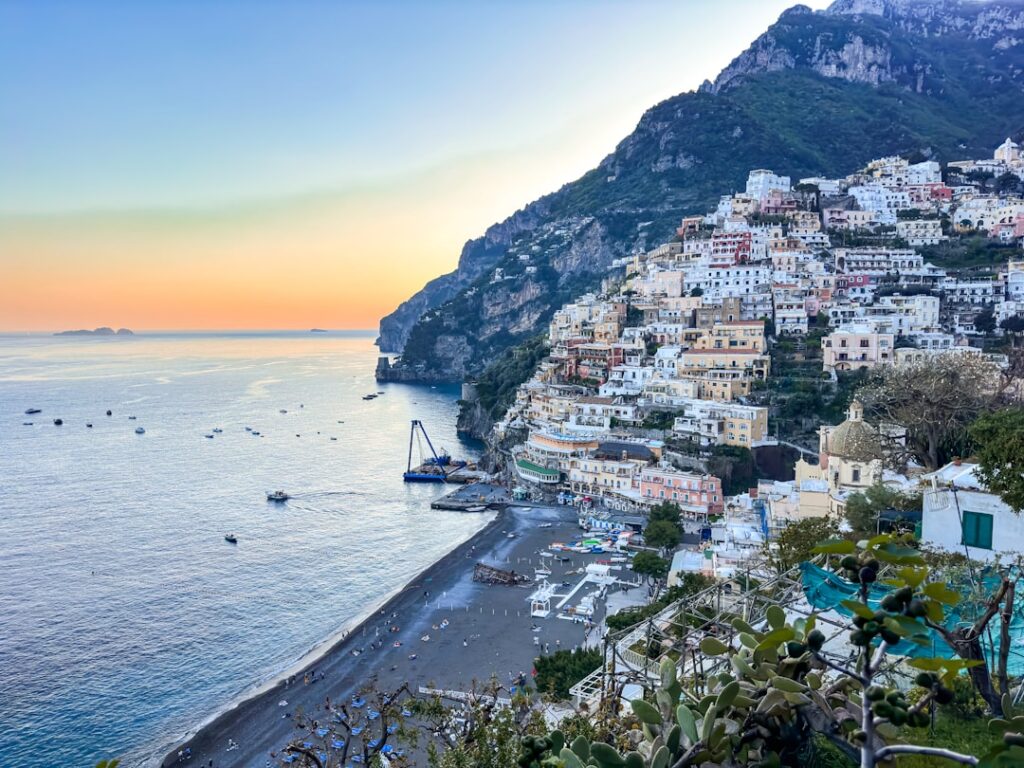
Exploring Positano means accepting a lot of walking and discovering intimate nooks where facades open onto flower-filled terraces, decorated loggias and stairways with a view. Private villas are rarely open to the public, but you can often reserve lunch or a cocktail at a historic hotel to access its gardens or terraces. For example, Belmond Villa Sant’Andrea (Via Caruso, 10, 84017 Positano) offers garden access and refined dining; check restaurant prices (à la carte menus often range from €40 to €120) and book well in advance, especially in summer.
Practical tips for Positano: favor walking downhill to capture the best photographic perspectives, but remember the climb back up is strenuous. Parking is scarce and expensive — the municipal lot near Spiaggia Grande beach charges hourly rates (often between €2 and €5/hour) or daily packages. Water taxis and ferries are excellent alternatives to connect Positano with Amalfi, Ravello (via Amalfi), and Capri — in high season reserve in advance. Above all, respect the privacy of private villas: some accept visits by appointment, but many remain private property; check with the local tourist office.
Amalfi and Atrani: Maritime Palaces, Cloisters and Lordly Homes
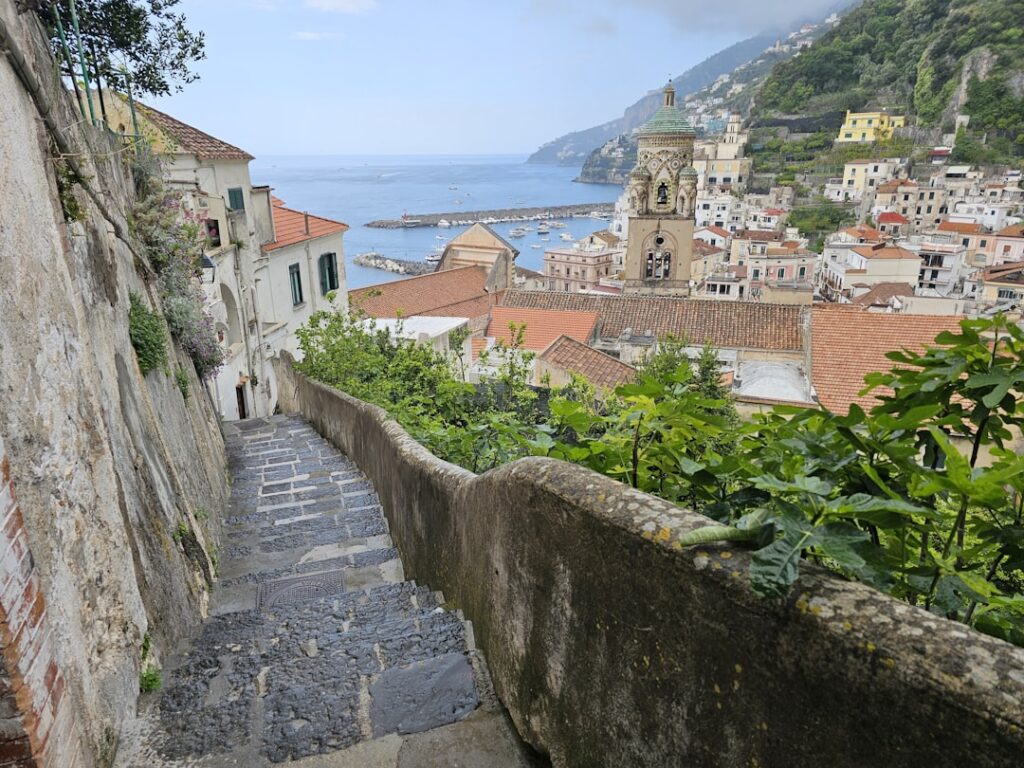
Amalfi, the historic heart of a maritime republic that once rivaled Genoa and Pisa, still preserves palaces and homes that testify to its medieval economic and cultural power. The urban fabric is dense: narrow alleys, steps, inner courtyards, cloisters and ornate facades. Notable sites include the Duomo di Sant’Andrea (Piazza Duomo, 84011 Amalfi SA) and the Chiostro del Paradiso (Piazza Duomo, 84011 Amalfi SA), both echoes of the prestige of merchant families.
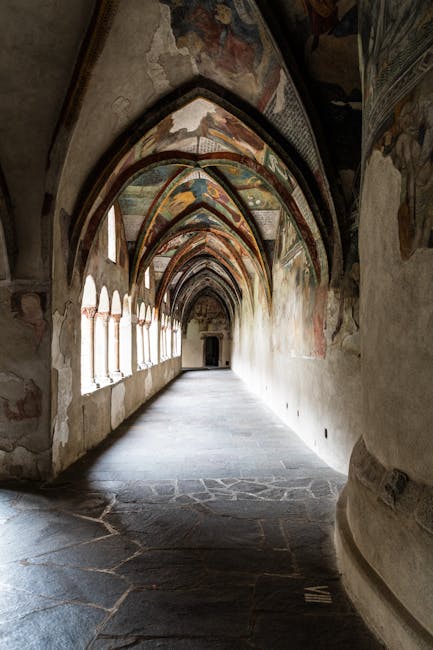
The Duomo di Sant’Andrea (Amalfi Cathedral) typically opens Monday to Sunday from 09:00 to 18:00, with extended hours during the tourist season; entrance to the cathedral is often free, but access to the cloister and museum can be paid: Chiostro del Paradiso — combined cloister/museum ticket €3–€6. Address: Piazza Duomo, 84011 Amalfi (SA), Italy. The cloister, with its arcades and inner garden, once served funerary rituals and municipal ceremonies; today it’s a calm haven in the heart of Amalfi’s bustle.
Atrani, Amalfi’s neighboring village, is one of Italy’s smallest but retains an almost untouched character. You’ll find noble houses and palaces that open directly to the sea or tuck into secret courtyards. A key spot to visit is the Chiesa di San Salvatore de Birecto (Piazza Umberto I, 84010 Atrani SA) — a medieval building connected to local families. Atrani offers a more intimate atmosphere than busy Amalfi: peaceful strolls, shaded cafés and stairways leading to picture-worthy views.
Practical tips for Amalfi and Atrani: bring a map of the historic center to find many entrances tucked down side alleys. Local museums — the Museo della Carta (Paper Museum) at Via delle Cartiere, 10, 84011 Amalfi — explain the historical importance of papermaking in the area; typical hours: 10:00–17:00, closed Monday, ticket about €3–€5. If you come by car, park at Amalfi’s municipal lot (Via Padre Raffaele Marchi, paid parking) and walk — the center is pedestrianized. Consider combined tickets for the Duomo and some museums to save time at ticket desks.
Click here to book an Amalfi tour and lemon tasting
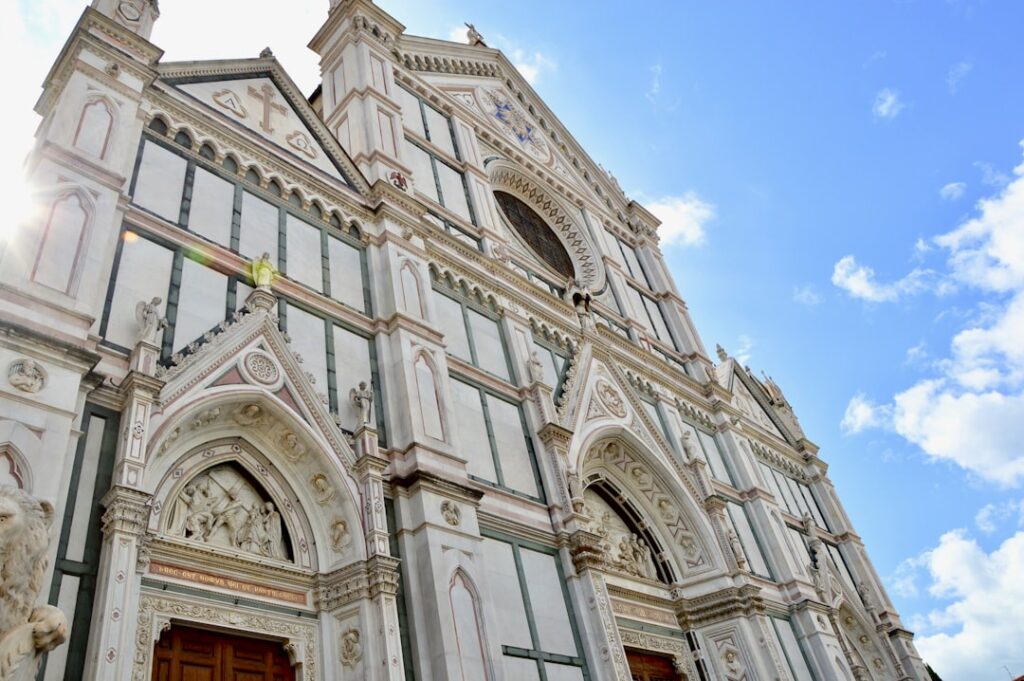
Atrani, Amalfi’s neighboring village, is one of Italy’s smallest but retains an almost untouched character. You’ll find noble houses and palaces that open directly to the sea or tuck into secret courtyards. A key spot to visit is the Chiesa di San Salvatore de Birecto (Piazza Umberto I, 84010 Atrani SA) — a medieval building connected to local families. Atrani offers a more intimate atmosphere than busy Amalfi: peaceful strolls, shaded cafés and stairways leading to picture-worthy views.
Practical tips for Amalfi and Atrani: bring a map of the historic center to find many entrances tucked down side alleys. Local museums — the Museo della Carta (Paper Museum) at Via delle Cartiere, 10, 84011 Amalfi — explain the historical importance of papermaking in the area; typical hours: 10:00–17:00, closed Monday, ticket about €3–€5. If you come by car, park at Amalfi’s municipal lot (Via Padre Raffaele Marchi, paid parking) and walk — the center is pedestrianized. Consider combined tickets for the Duomo and some museums to save time at ticket desks.
Minori and Maiori: Roman Villas, Domestic Gardens and Archaeological Secrets
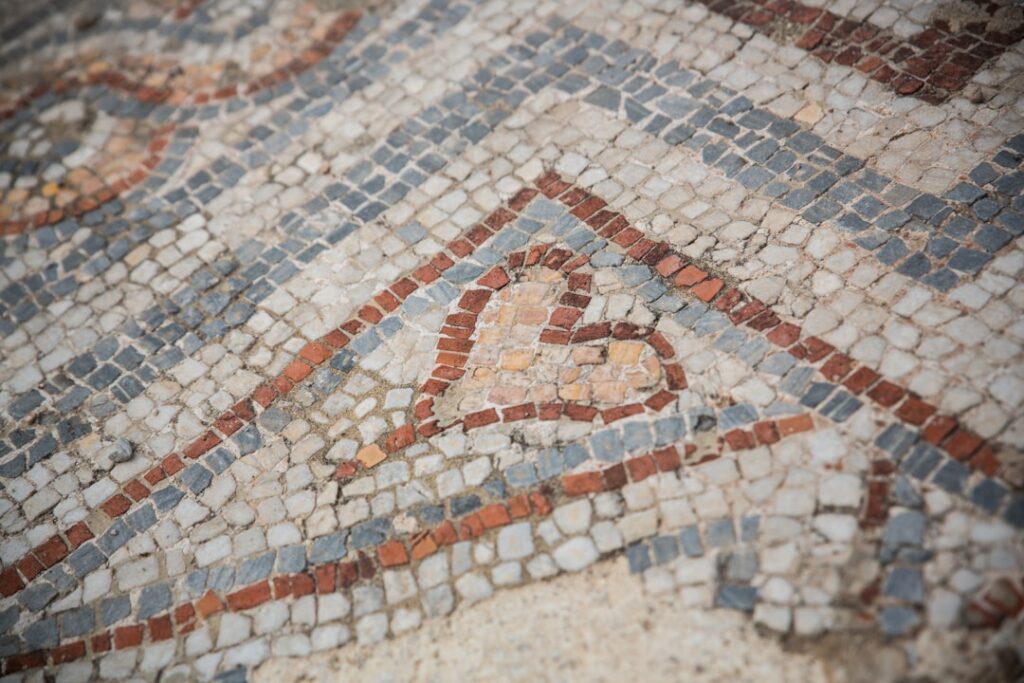
Further down the coast, Minori and Maiori offer archaeological finds and quieter residences, often overlooked by major tours but rich in history. Minori houses the remains of a Villa Romana di Minori, a site that highlights the area’s importance in Roman times with mosaics and private baths.
Address and practical info: Villa Romana di Minori, Via Roma (near Largo Evangelista), 84010 Minori (SA), Italy. Typical hours: 10:00–17:00 (may vary with season and conservation work); entrance fee: adults €4–€6, reductions available. Visiting the Roman villa lets you see mosaic floors, hypocaust-heated room structures and decorative fragments. The site is compact but rich in detail; signage explains domestic uses and the villa’s relationship to the coast.
Maiori, with its long beach and seafront promenade, was also home to noble residences and pleasure houses. The Villa Romana di Maiori (less extensive remains than Minori) and restored medieval dwellings punctuate the town. Useful address: Chiostro di Santa Maria a Mare, Via dei Molini 11, 84010 Maiori (SA) — an example of a cloister transformed over the centuries. Many visitors choose Maiori for its calm: the waterfront is less crowded and seafood restaurants often offer more reasonable prices than the busiest spots.
Practical tips for Minori and Maiori: pair a visit to Minori’s Roman Villa with a sweet break — the local specialty is the “delizia al limone” (lemon delight cake), exquisitely prepared at local pâtisseries; typical dessert price: €3–€6. The coastal footpath (Sentiero dei Limoni) links Minori and Maiori in a scenic walk of about 30–45 minutes depending on pace: wear closed shoes, bring water and a hat. SITA buses and boat connections make hopping between villages easy, but buses fill up in high season: plan for off-peak times (early morning or late afternoon).
Click here to book the Sentiero dei Limoni route with tasting
Essential Practical Tips for Visiting Timeless Villas
Visiting the villas and residences of the Amalfi Coast requires light but precise preparation: the terrain, seasonal hours and mixed property statuses (private, public, hotel, museum) call for organization. Here are concrete local tips to make the most of your stay.
- Tickets and reservations: many villas and gardens have variable hours in low season. For Villa Rufolo and Villa Cimbrone, buy tickets on-site but aim to arrive early (or book online when available). For historic hotels and private villas in Positano, call or email ahead to request garden access or to reserve lunch.
- Opening times: in summer sites generally open between 09:00 and 09:30 and close between 18:30 and 20:00; in autumn/winter they close earlier (16:00–17:00) and some days may be closed (e.g. Monday for certain museums). Always check the official site or local tourist office before you go.
- Prices and reductions: indicative fees: Villa Rufolo and Villa Cimbrone often around €7–€8 for adults; local museums (Paper Museum) €3–€6. Reductions for students and seniors are common; very young children are often free. Event tickets (concerts, festivals) can be much higher.
- Transport: driving gives flexibility but parking is costly and limited. Municipal lots (e.g. Parcheggio San Giovanni in Ravello) charge hourly rates or offer day packages. Shuttles, SITA buses and ferries are practical alternatives; book ferries in high season.
- Best times to visit: early morning for soft light and fewer people; late afternoon for sunsets (especially at Villa Rufolo and Villa Cimbrone). Avoid 11:00–15:00 in July–August if possible.
- Recommended gear: sturdy comfortable shoes (lots of cobbles and stairs), hat and sunscreen, a reusable water bottle (refill points sometimes available), and a small bag for fine-food purchases or craft souvenirs.
- Photography and drones: casual photography is generally allowed in public gardens and terraces for personal use, but drones are usually banned without explicit permits. Respect signs and “no photo” zones to protect artworks and residents’ privacy.
- Respect the sites: many gardens are fragile heritage sites: don’t trample flowerbeds, don’t pick flowers, and respect barriers. If a villa is hosting a wedding or private event access may be restricted — check before you travel.
Click here to book a private boat trip with Prosecco
Suggested Two-Day Itinerary to Savor Villas and Residences
If you have a short stay, here’s a detailed two-day itinerary designed to mix villa visits, tasty pauses and panoramic walks without rushing.
Day 1 — Ravello and Positano: depart early from Amalfi or Sorrento. Morning at Villa Rufolo, Piazza Duomo 5 (arrive 09:00) to enjoy the gardens and morning light; recommended time 1.5–2 hours (ticket around €7). Then a short walk to Villa Cimbrone, Via Santa Chiara 26 (opens 10:00 depending on season) for the Terrace of Infinity; allow 1–1.5 hours (ticket about €7–€8). Lunch in Ravello (menus €15–€30). Afternoon to Positano: wander the alleys, stop on a historic hotel terrace to admire the sea; if you want to enter a private villa now a hotel (e.g. Il San Pietro di Positano), reserve a table for dinner or cocktails (prices vary — plan at least €40 per person for the restaurant).
Day 2 — Amalfi, Atrani and Minori: morning at the Duomo di Sant’Andrea, Piazza Duomo, Amalfi, then visit the Chiostro del Paradiso and the Museo della Carta (get combined tickets, approx. €3–€6). Lunch in Amalfi. Afternoon short bus ride or walk to Atrani for a quieter village exploration; late afternoon in Minori to visit the Villa Romana di Minori, Via Roma (entrance approx. €4–€6) and taste a delizia al limone at a local pâtisserie. Return in the evening.
Click here to book a panoramic tour to Positano and Amalfi
Conclusion: Preserve Timelessness by Traveling Mindfully
The villas of the Amalfi Coast are witnesses to often multi-century histories — Arab-Norman or Mediterranean architecture, hanging gardens, “infinite” terraces and decorated interiors that recount the lives of a maritime, worldly aristocracy who shaped the region. Visiting them requires curiosity, respect and a bit of planning: observe opening hours, check access to private properties, buy tickets in advance for events and favor off-peak hours to better feel the atmosphere. Beyond practical info, remember these villas are living places — some host concerts, others operate as hotels or hold precious collections.
Traveling the Amalfi Coast means tuning into the details: the rustle of a garden’s leaves, the shade of a loggia, the sharp taste of a locally grown lemon, the echo of an old celebration on a sea-facing terrace. The tips shared here — exact addresses, approximate hours, indicative prices and local hacks — aim to ease your experience while encouraging respectful tourism. Bear in mind that some villas are private and access can be limited: a polite request and a little patience can sometimes open unexpected doors, like a rare terrace or a memorable concert.
Finally, balance your pursuit of the perfect photograph with being present: sit for a moment on a garden bench, close your eyes and let the light fill you. Often it’s in those quiet moments that a place’s timeless quality reveals itself best. Whether you’re a history buff, a photographer, a garden lover or simply a traveler in search of beauty, the villas and residences of former nobility on the Amalfi Coast offer an experience beyond a simple visit — they invite contemplation, understanding of historical context and the preservation of living heritage. Safe travels, and tread lightly on these stones steeped in centuries.