





Introduction
The Amalfi Coast — that steep ribbon of cliff and sea stretching between Sorrento and Salerno — is more than a string of colorful villages, hair-raising roads and jaw-dropping viewpoints: it’s a landscape where maritime history resurfaces at every cove, rocky seabed and museum display. The region’s marine and archaeological museums safeguard treasures that tell stories of centuries of trade, shipwrecks, seafaring techniques and everyday life tied to the sea. From Amalfi, Positano, Ravello or Maiori, you can get up close to objects recovered by underwater excavations, diving campaigns and long-standing collections that speak to the cultural richness of the coast and its surroundings.
If you follow the coast looking for these archaeological gems, you’ll soon notice that the cultural footprint extends beyond administrative borders: Naples, Herculaneum and Paestum — though outside the main coastal tourist route — host major collections of marine and Roman artifacts tied to ancient navigation and natural disasters (Pompeii and Herculaneum contributed a substantial part of the material heritage). Amalfi itself, with its papermaking tradition and medieval maritime ties, keeps unique archival and museum holdings. Visiting these institutions is like stepping into a narrative where amphorae, anchors, hull fragments, shipwright tools and everyday items reveal how the sea shaped economies and societies.
This article offers an immersive tour of key museums and archaeological sites for anyone keen to understand the maritime dimension of the Amalfi Coast: major institutions in Naples and Herculaneum that preserve finds from wrecks and buried towns, and the Museo della Carta in Amalfi which, while focused on papermaking, highlights the role of maritime trade in local development. You’ll find exact addresses, practical prices and opening hours, detailed descriptions of collections and local tips — how to combine museum visits with boat trips, the best seasons to go, and how to photograph or access the most sensitive rooms.
Finally, the guide also includes practical recommendations to enrich your experience: where to book guided archaeological dives, how to plan a half-day trip to a heritage dive site, and suggested food stops near museums to extend the sensory journey. Whether you’re passionate about underwater archaeology, an ancient history buff, or a curious traveler wanting to understand sea-society interactions on the Amalfi Coast, this guide lays out a well-documented, lively route to discover the region’s marine treasures.
Museo Archeologico Nazionale di Napoli (MANN) — The Great Vault of Marine Treasures
The Museo Archeologico Nazionale di Napoli is one of Italy’s premier institutions for the study of Greco-Roman antiquity. Located at Piazza Museo 19, 80135 Napoli NA, the MANN houses outstanding collections from Pompeii, Herculaneum and other Campanian sites, including items recovered from maritime excavations and shipwrecks. Rooms dedicated to domestic decor, mosaics and daily life help reconstruct the close relationship between locals and the sea: shipping tableware, amphorae used for wine and oil transport, primitive anchors and nautical instruments.
Opening hours: generally 9:00–19:30 (last admission 18:30), closed Tuesdays. Check the official website before visiting for possible changes or temporary exhibitions. Admission: full ticket around €18; reduced rates (youth, seniors, eligible EU residents) vary; free entry may be available on presentation of specific documents (consult MANN’s official site for exact conditions).
Immersive description: upon entering, you feel the weight of history: showcases with amphorae bearing cargo marks, scale models of ships, Roman navigation instruments and finds recovered during dredging or dives along ancient sea routes. The Egyptology rooms and the rich plaster-cast section add comparative perspective, placing Campania within the wider Mediterranean network. Don’t miss the mosaic hall where marine scenes and sea-god iconography illuminate beliefs surrounding voyages and storms.
Practical tips: arrive early to avoid crowds or book a skip-the-line ticket online. Bring a guidebook or an audio guide in English to better understand the maritime context of the objects. If time allows, pair your MANN visit with a trip to Pompeii or Herculaneum (Circumvesuviana train), so you can see the sites that supplied much of the museum’s collections. The museum shop offers reproductions and specialist monographs — great if you want to continue your research into local maritime archaeology.
MAV – Museo Archeologico Virtuale, Herculaneum — Virtual and Real Dives into the Bay’s Depths
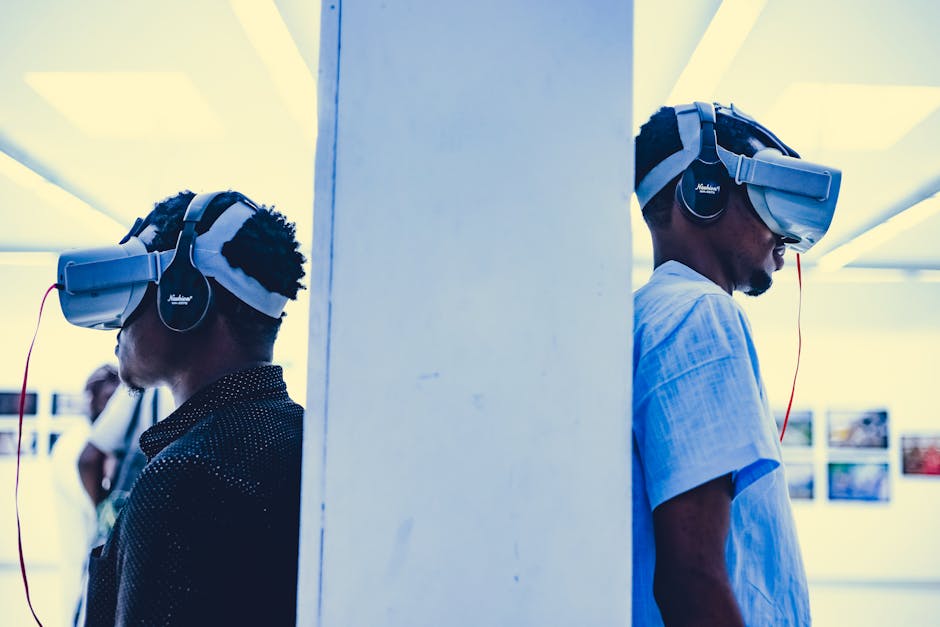
The Museo Archeologico Virtuale (MAV) is at Via IV Novembre 44, 80056 Ercolano NA. Focused on digital reconstructions and interactive exhibits, the MAV perfectly complements visits to nearby archaeological sites: it offers 3D reconstructions of Herculaneum and Pompeii and animations about ancient maritime life and wrecks discovered in the Bay of Naples. The museum emphasizes interpretation: animated imagery, ship models and presentations of underwater archaeological techniques explain how dives and wreck surveys are carried out.
Opening hours: typically 9:00–19:00, closed Mondays; check before you go. Admission: full ticket about €10; discounts for students and groups. MAV is particularly suitable for families and curious visitors who want visual reconstructions before heading out to the sites.
Immersive description: the “lost seabeds” area features an immersive room where visitors “dive” virtually along a reconstructed wreck: you can observe cargo dispersal, amphora stowage and marine life colonizing submerged timbers. Display cases complement projections with original objects recovered during excavations, including small bronze and ceramic items, shipwright tools and anchor fragments. MAV’s mission is educational: it demystifies the scientific methods of underwater research while raising awareness about protecting submerged heritage.
Practical tips: combine a MAV visit with a stop at the Villa dei Papiri in Herculaneum to see the original archaeological contexts. If you’re after a hands-on experience, check with local dive centers (Ercolano and Torre del Greco) that sometimes run guided educational trips to protected wrecks; note that diving on archaeological sites is strictly regulated and often requires permits. Allow about 1½–2 hours for a full MAV visit including interactive workshops.
Museo della Carta – Antica Cartiera Amalfi and Other Small Coastal Museums
In the heart of Amalfi, the Museo della Carta — Antica Cartiera Amalfi is a fascinating example of how the maritime economy intertwined with local crafts. Address: Antica Cartiera Amalfitana, Via delle Cartiere 24, 84011 Amalfi SA. Housed in a medieval paper mill, the museum shows the handmade papermaking process — an activity directly linked to maritime trade: Amalfi paper was exported across the Mediterranean and bears witness to the trade routes that called at Amalfi’s port.
Opening hours: often 10:00–18:00 (seasonal hours vary, especially in high season), closed some days off season; indicative price: €5–7 (reduced rates for children/students). The museum narrative connects artisanal techniques, archives and nautical charts: you’ll see presses, screens, watermarks and examples of old documents showing seals and commercial notations.
Immersive description: the visit begins with the smell of paper and wood, and demonstrations of fiber beating and sheet forming. Display cases present trade contracts, bills of exchange and old maps from municipal archives, illustrating export routes. The museum also includes a small section on medieval maritime networks in which Amalfi played a key role: commercial charters, amphora illustrations and shipping correspondence archives help imagine the town’s mercantile power.
Practical tips: the museum is walkable from Amalfi’s center; streets can be narrow and cobbled, so wear comfortable shoes. Pair the visit with a stroll along the Lungomare dei Cavalieri and a coffee or limoncello break in Piazza del Duomo. For a fuller experience, ask if you can attend a papermaking workshop — places are limited, so book ahead in high season. If you want to explore other small coastal museums, consider the Museo della Marineria in Maiori (Via Santa Maria a Mare, 84010 Maiori SA — hours and prices vary, often small local museums with symbolic entries of €3–6) or the Museo Diocesano di Amalfi (Chiostro del Paradiso, Amalfi — check local opening times and fees), which offer complementary perspectives on maritime culture.
Visiting Tips, Heritage Dives and Combined Itineraries
Exploring the marine museums of the Amalfi Coast takes a bit of planning. Here are practical recommendations to optimize your visits and enjoy a rich, safe experience:
- Planning and tickets: for MANN and MAV, book online to avoid queues, especially in high season (May–Sept). Some museums offer combined tickets with outdoor archaeological sites; check for discounts.
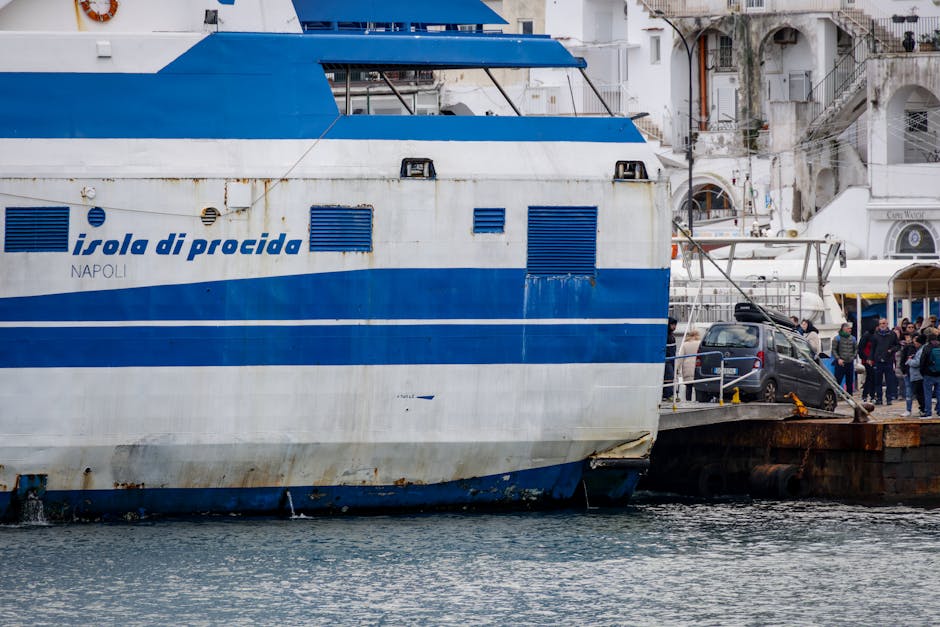
- Transport: the Circumvesuviana train is the most convenient way from Naples to Herculaneum, then connect to the coast by bus or ferry. For Amalfi, prefer the ferry from Salerno or Sorrento in high season to avoid the SS163 road traffic.
- Diving and underwater sites: diving on archaeological wrecks is regulated: contact accredited dive centers (for example in Amalfi, Positano or Vietri sul Mare). Local guides know protected sites and the rules for photography and conservation.
- Best times to visit: late spring and early autumn offer pleasant weather and fewer crowds. In summer, schedule visits early morning or late afternoon.
- Gear: bring comfortable shoes for museums housed in historic buildings (stairs, cobbles). Photographers should note that some museums restrict flash use and may require permits for professional shoots.
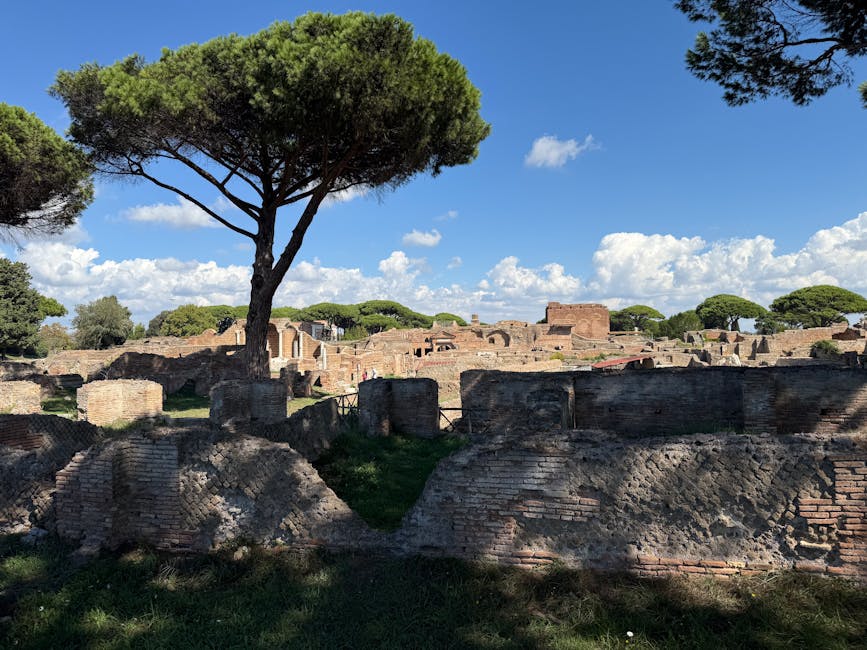
- Cultural combos: pair a museum visit with a walk through a seaside village: after the Museo della Carta, wander to Amalfi Cathedral (Piazza Duomo, 84011 Amalfi SA); from Herculaneum, extend your trip to the Villa dei Papiri (Via Plinio, 1, Ercolano) and the archaeological beach.
Conclusion
The Amalfi Coast and its surroundings are a place where sea and memory constantly answer one another. Museums and interpretation centers — whether large like the Museo Archeologico Nazionale di Napoli, innovative like Herculaneum’s MAV, or intimate like Amalfi’s Antica Cartiera — serve as anchors for understanding how navigation, trade and natural disasters shaped the region. These institutions offer not only beautiful objects — oxidized amphorae, anchors, tools, mosaics and documents — but also a living story about conservation practices, scientific research and the transmission of maritime heritage.
Visiting the Amalfi Coast to explore its marine museums means encountering multiple time layers: the physical traces of Antiquity, the medieval infrastructures that prospered through maritime exchange, and modern museum displays that make the past speak through present-day technologies. For travelers, this calls for an itinerary that mixes indoor visits with on-site experiences — boat trips, supervised dives or simple walks along the harbors to see where cargoes once set sail. Also, extend your discoveries by browsing museum shops, which often carry specialized books and reproductions.
Lastly, respect the rules: underwater heritage is fragile and protected; the best way to enjoy it is to follow the guidance of archaeologists and professional divers. With curiosity and good preparation, the region’s marine museums offer an unforgettable dive into Mediterranean history — an experience where stunning landscapes blend with the depth of human and material stories left by the sea.