





Introduction: Unusual stays on the Amalfi Coast, from sea caves to reimagined troglodyte homes
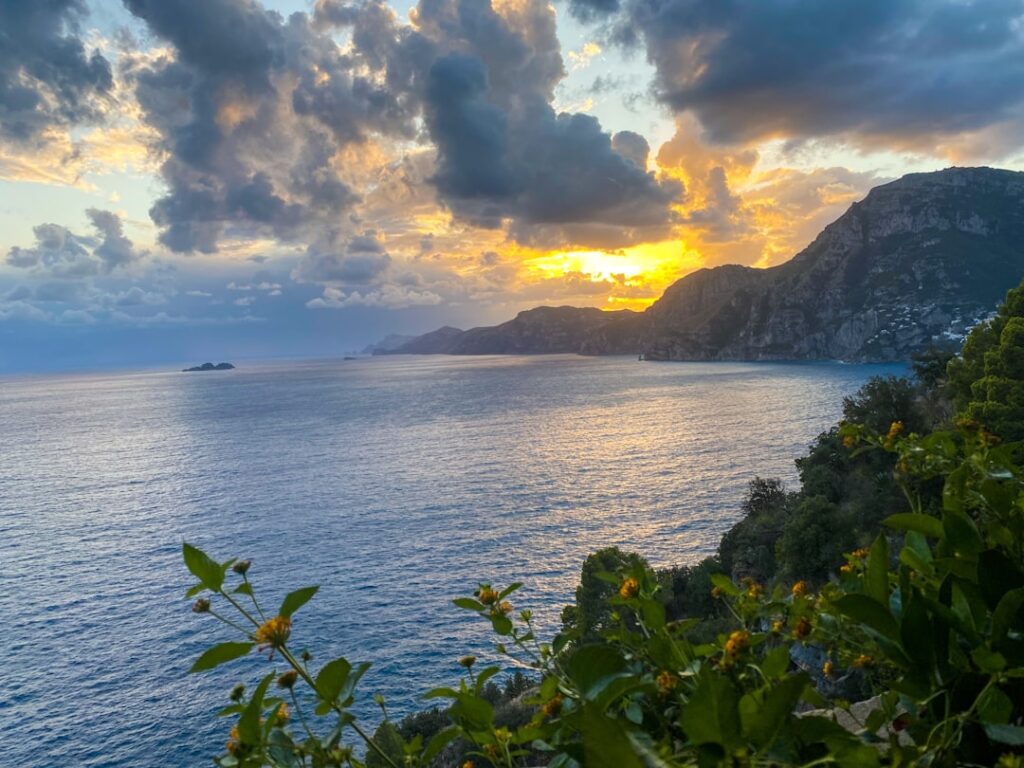
The Amalfi Coast, with its dizzying cliffs, colorful villages clinging to the rock and deep blue waters, is a playground for travelers seeking off‑the‑beaten‑path experiences. Here, the landscape is more than just beautiful: it’s been carved by the sea and time, creating natural hollows, sea caves and troglodyte niches that over the centuries have been turned into homes, chapels, workshops — and today into one‑of‑a‑kind places to stay. Waking up in a room hewn from stone while you hear the waves, dining beneath a candlelit limestone vault, or sleeping on a terrace carved into the cliff with the Mediterranean spread out below: these are the promises of these reinvented stays.
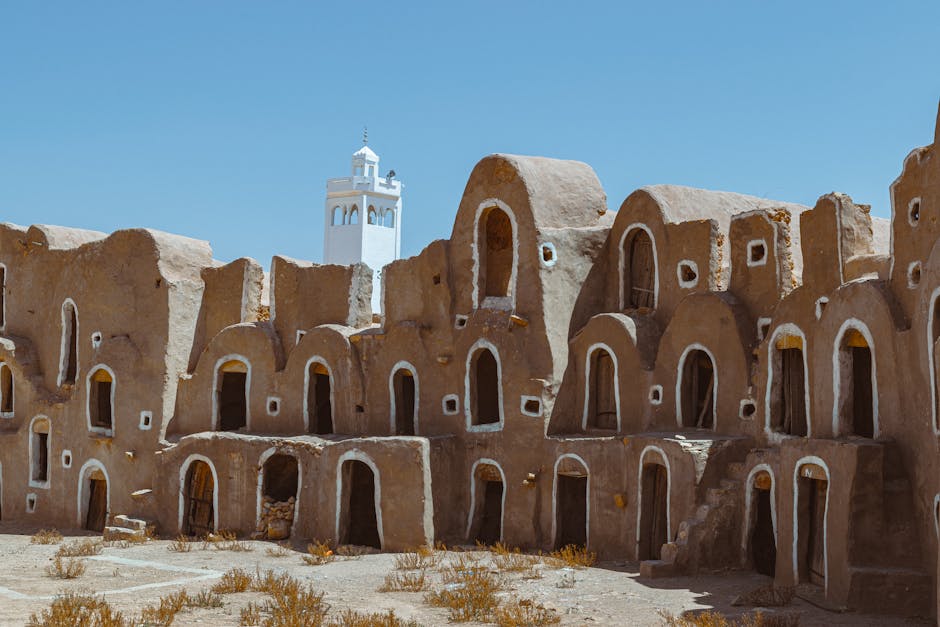
More than a passing trend, rehabilitating caves and troglodyte dwellings on the Amalfi Coast bridges heritage and hotel innovation. Restaurateurs, architects and homeowners have launched projects that respect the landscape and local materials, preserving the authenticity of the spaces — stone vaults, lime floors, old wooden doors — while integrating modern comforts: discreet heating, designer bathrooms, whisper‑quiet air conditioning and large windows with knockout views. The result is often a cozy mineral nest, warm and incredibly photogenic, perfect for travelers craving originality and immersion.
But the experience doesn’t stop at the bed. Iconic sea caves, like the Grotta dello Smeraldo in Conca dei Marini or the many cavities around Capri and Positano, are explored by boat and reveal an underwater world of stalactites, emerald reflections and secret alcoves. Some of these cavities host tiny chapels, artisan workshops or private beaches accessible only by boat — a discreet, exclusive kind of luxury. For the curious, local guides offer combined hikes that mix coastal trails, rappels down to hidden coves, and meals in renovated troglodyte homes run by local families.
In this guide we explore the Amalfi Coast through the lens of unusual stays: where to sleep in a converted cave? Which sea caves are worth visiting, when and at what cost? Which places offer contemporary troglodyte experiences, and how are local activities organized? You’ll find specific addresses, opening hours, indicative prices, sensory descriptions and practical tips to plan an unforgettable stay that respects the site and stays comfortable. Whether you’re a photographer hunting unusual angles, a couple after a romantic escape, or a family seeking a safe, educational adventure, the Amalfi Coast has a troglodyte corner for you.
Grotta dello Smeraldo (Conca dei Marini): emerald brilliance carved into the cliff
The Grotta dello Smeraldo is arguably one of the most famous and accessible sea caves on the Amalfi Coast. Located in Conca dei Marini, it gets its name from the emerald reflections created by an underwater opening that filters sunlight. The cave is visited by boat, and its broad vaulted interior reveals surprising limestone formations and an almost mystical atmosphere when rays pierce the calm water.
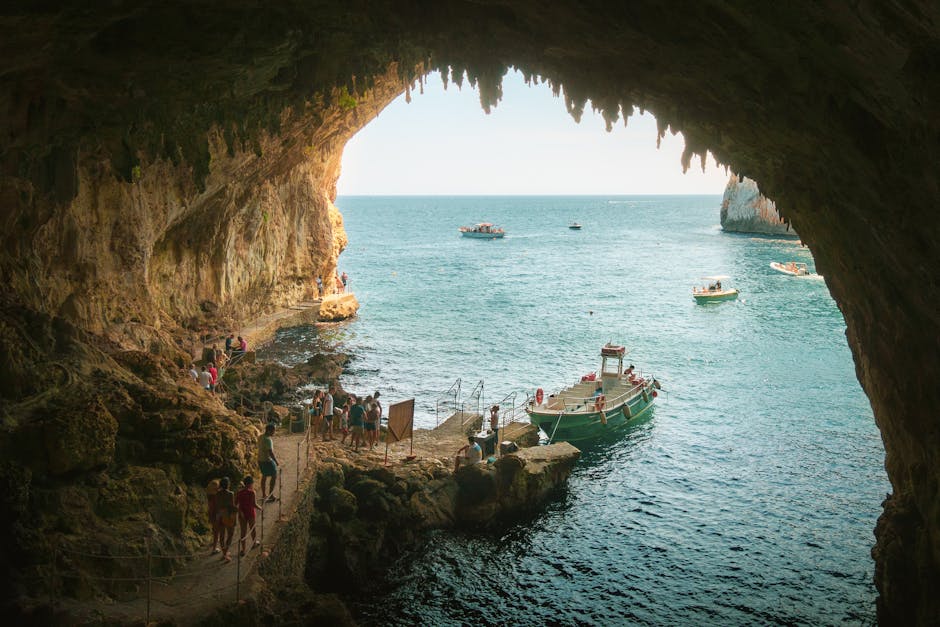
Address: Grotta dello Smeraldo, Via Cristoforo Colombo, 84010 Conca dei Marini SA, Italy. The boarding point and ticket office are located along the coastal road. Price: entrance plus guided boat ride around €6 per adult (indicative; in high season it can rise to €8–10). Opening hours: April to October, open from 9:00 AM to 6:30 PM; November to March reduced hours and occasional closures depending on sea and weather (check before you go).
Immersive description: the entrance is through a small doorway carved into the cliff, followed by a few steps down to a wooden jetty. The boat slips forward in near silence, broken only by the echo of droplets. Inside, light dances on the water, and the damp rock gives off a salty, iodine‑tinged scent. Stalactites and mineral‑studded walls form shapes that shift with every glance. The cave’s size lets you approach the walls and listen to the sea’s soft exhale.
Practical tips: arrive early (or late afternoon) to avoid queues. In high season the cave can get crowded; pick clear days so the light penetrates best. Life jackets are mandatory; non‑slip shoes are recommended for the jetty approach. For photos, ask the boatman to pause briefly in the dimness — a stabilized long exposure will do the colors full justice.
Capri and the Grotta Azzurra: the troglodyte legend reimagined
The Grotta Azzurra (Blue Grotto) on the island of Capri — though technically outside Salerno’s administrative boundaries — is an integral part of the Amalfi experience for many visitors. This natural spectacle remains a must‑see, and numerous troglodyte accommodations and coastal villas offer private excursions to Capri.
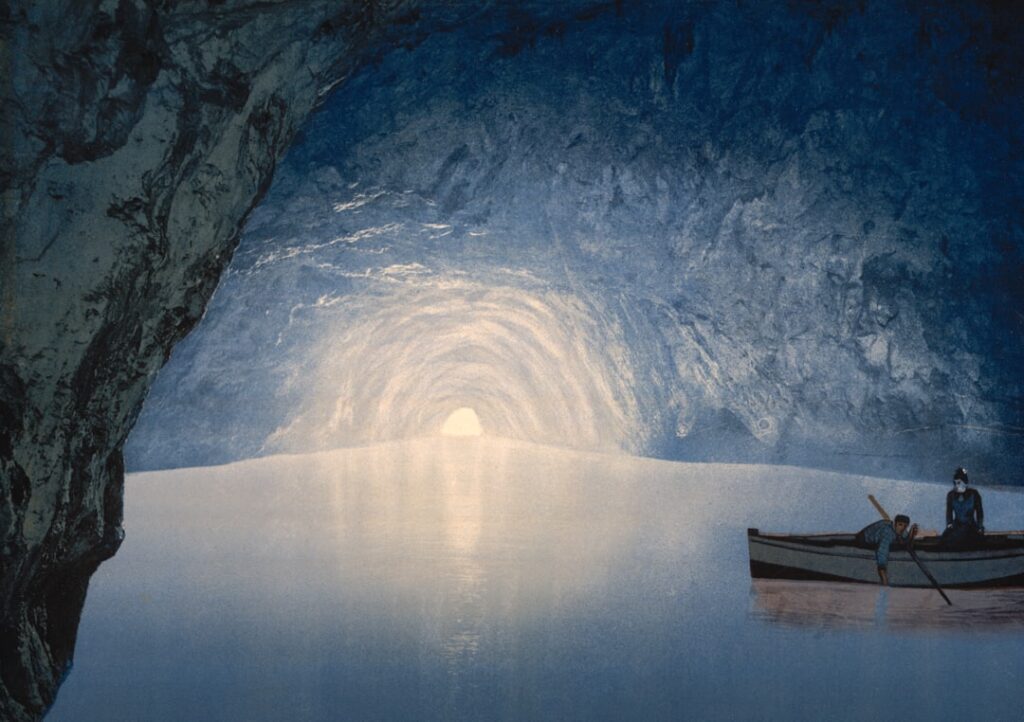
Address and access point: Grotta Azzurra, Marina Grande, 80073 Capri NA, Italy. Small boats depart from Marina Grande and private boarding points at Marina Piccola. Price: a boat visit from Marina Grande costs about €14–18 (ticket for the boat plus entrance fee to the cave); private group or semi‑private excursions run from €50–120 per person depending on the tour type. Hours: generally 9:00 AM to 4:00 PM in high season; the grotto’s access depends on sea conditions and it can close in rough water.
Immersive description: entering the Blue Grotto often requires lying back in the boat and slipping under a small opening — a slightly acrobatic ritual that heightens the reveal. Inside, the water glows an otherworldly blue, luminous as a jewel. The effect comes from a submerged opening that filters sunlight, producing an impressive azure glow. Visitors’ murmurs, splashes and reflections on the vault create an almost sacred atmosphere.
Practical tips: book ahead in high season; aim for an early departure from Amalfi, Positano or Sorrento. If you’re staying in a troglodyte accommodation on the coast, ask if they offer private boat transfers — pricier, but they often secure calmer time slots and help you avoid the crowds. Bring a small waterproof bag for cameras and avoid bulky shoes: boarding can require you to lie down.
Troglodyte homes and unusual accommodations: curated picks and addresses
Along the Amalfi Coast and nearby, several properties have converted natural spaces or old rock dwellings into guesthouses, B&Bs and troglodyte villas. These places typically combine traditional architecture, contemporary comforts and dramatic seaside locations.
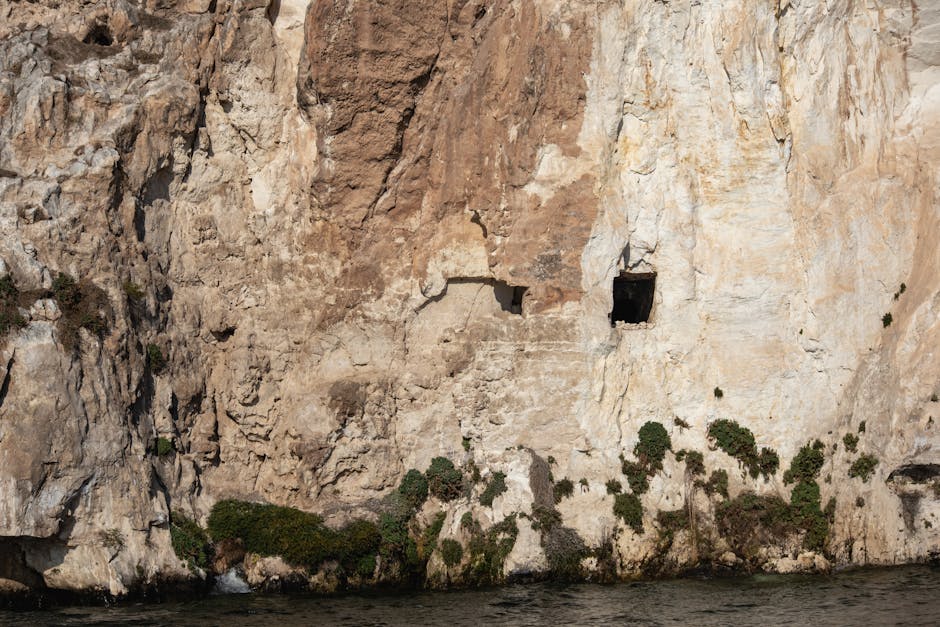
Notable examples and addresses:
- Casa Grotta dell’Angelo — Positano (concept example): Via G. Marconi 12, 84017 Positano SA. Double troglodyte room from €120 per night in low season, up to €350 in summer. Check‑in between 3:00 PM and 8:00 PM, check‑out 11:00 AM. Breakfast included, access to a panoramic terrace.
- La Dimora del Fiordo — Praiano (renovated rock house): Via Gennaro Capriglione 7, 84010 Praiano SA. Nest‑style troglodyte room from €100/night. Reception hours: 8:00 AM–8:00 PM. Shuttle service to Marina di Praia.
- Suite in Grotta, Conca dei Marini (room carved into the cliff): Via Provinciale Tramonti 3, 84010 Conca dei Marini SA. Nights from €180. Romantic package with candlelit dinner in a former cellar. Book several weeks in advance for summer.
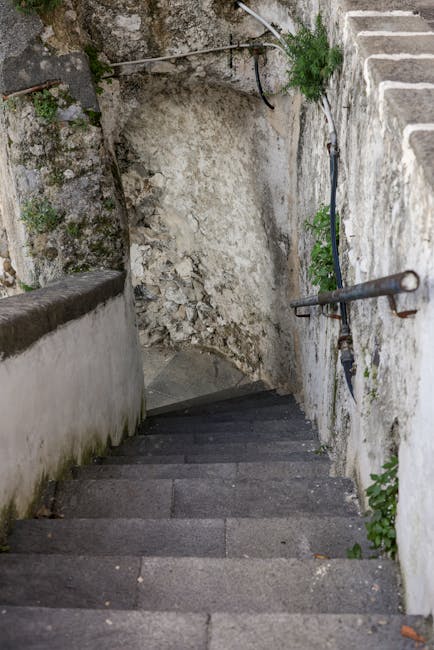
Immersive descriptions: troglodyte rooms often feature whitewashed stone vaults, built‑in niches for storage, small windows facing the sea and local textiles (linen, embroidered cotton). Some suites convert alcoves into open bathrooms with freestanding tubs, or provide direct access to a private cove via a staircase carved into the rock. The special acoustics, natural coolness in summer and total sense of privacy are major draws for these stays.
Local practical tips: check accessibility — many troglodyte homes involve narrow steps and steep paths; they’re not always suitable for people with reduced mobility. Confirm the presence of air conditioning or heating for your season. Always ask if bedding is new and whether the property offers boat transfers or partnerships with local restaurants — that can make evening logistics much easier. Above all, respect the quiet and fragility of the site: don’t drill into architectural elements or use noisy equipment on shared terraces.
Routes and experiences: hikes, boat trips and troglodyte dinners
An unusual stay on the Amalfi Coast is rarely limited to a single place: combine hikes, descents to coves, cave visits and meals with locals. Here are some routes and experiences not to miss, with practical details.
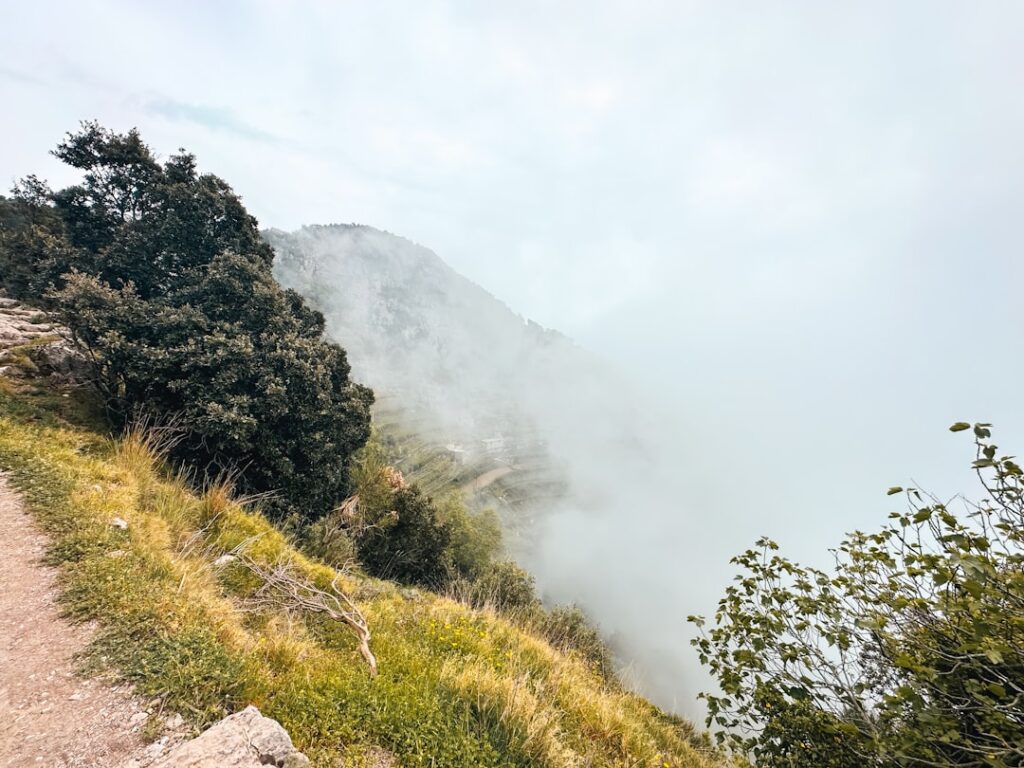
Sentiero degli Dei (Path of the Gods) — from Bomerano (Agerola) to Nocelle (Positano): this trail offers vertiginous views of the coast and grants access to ruins and natural cavities perched on the cliff. Duration: 3 to 5 hours depending on stops. Access: Piazza Trudole, 80051 Agerola NA (Bomerano trailhead). Tips: hiking shoes, water (1.5–2 L per person), sunscreen. Local guides offer variants that include a visit to a small cave and lunch in a troglodyte house turned agriturismo (menu about €25–35).
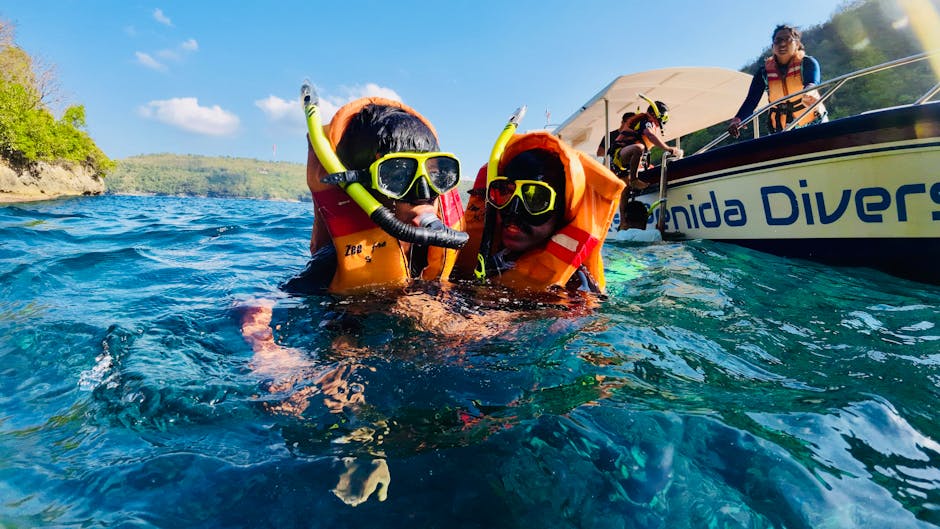
Boat escape and swimming in secret coves — many agencies rent boats from Amalfi (Marina d’Amalfi, Piazzetta Flavio Gioia 1, 84011 Amalfi SA), Positano (Marina Grande, 84017 Positano SA) or Maiori. Prices: day rental of an unlicensed boat about €200–350 depending on season; small group excursions from €45–80 per person. These trips let you land near lesser‑known caves — perfect for swimming, snorkeling and visiting troglodyte niches only reachable by sea.
Troglodyte dinner at a local’s home — several local initiatives offer traditional meals in rooms carved from rock, often timed for sunset. Typical example: a « Cena in Grotta » organized by a Praiano family, a four‑course menu (antipasti, fresh pasta, grilled fish, dessert) for about €35–60 per person, reservation required. Typical contact address: Via Marina di Praia 5, 84010 Praiano SA (check availability and season).
Practical tips: for any sea cave activity check the weather and sea conditions the day before. Bring water shoes for rocky approaches and a life jacket if one is offered. Book gastronomic experiences and guides at least 7–10 days ahead in high season, and mention any food allergies. Prefer registered local operators to ensure safety and environmental respect.
Troglodyte heritage, art and spirituality: hidden chapels and workshops
Beyond the tourist appeal, the caves and troglodyte homes along the coast hold little‑known heritage: rock‑cut chapels, frescoes, artisan workshops and traces of ancient occupation. Exploring these elements brings cultural depth to any unusual stay.
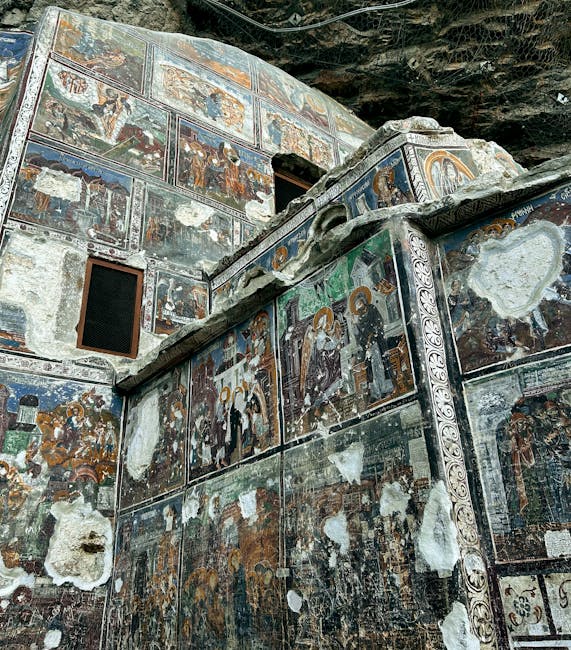
Chapel of S. Michele (example of a local rock chapel): you’ll find stone‑cut chapels in several villages, often dedicated to local saints. These spots, sometimes reached by steep staircases, preserve frescoes and marine ex‑votos. Visiting hours: generally accessible freely, but it’s best to check with the Amalfi Tourist Office (Piazza Duomo 1, 84011 Amalfi SA, open 9:00 AM–6:00 PM in season).
Troglodyte artisans’ workshops: potters and sculptors sometimes use cavities for studios to benefit from constant temperatures and sheltered space. In Vietri sul Mare (Via Porto 8, 84019 Vietri sul Mare SA), several studios open for demonstrations and direct sales (piece prices: €30–300 depending on size and maker). Visits are often by appointment.
Practical tips: respect local conservation rules — don’t touch frescoes or displayed objects, don’t smoke in enclosed spaces and avoid powerful flash photography on ancient paintings. For a richer immersion, hire a local cultural guide (average €80–120 for a half‑day private tour) who can decode the history of the sites, from Byzantine influences to medieval maritime occupations.
Practical information and final recommendations
Bookings: in high season (June–September) reserve troglodyte accommodations, cave excursions and restaurants 2 to 6 weeks in advance. Transport: SITA buses and boat services are frequent but crowded in summer; consider private boat transfers if your budget allows. Health and safety: watch your step on stairways, wet floors and strong currents; follow captains’ and guides’ instructions.
Environmental respect: preserving these habitats is essential. Minimize waste, use biodegradable sunscreen when swimming and avoid picking shells or stones. Support the local economy by choosing local guides, restaurants and artisans.
Conclusion: sleep in the rock to better understand the coast
Unusual stays among sea caves and troglodyte homes reshape how you experience the Amalfi Coast. They give more than an original night: they open a window onto geological history, the ingenuity of communities that made a life from the rock, and the intimate relationship between humans and the sea. Sleeping in a carved room, sailing to a phosphorescent grotto, dining beneath a limestone vault or visiting a rock chapel — these are experiences that turn visitors into participants in an ancient story.
To prepare your trip, take time to check availability and weather, choose reputable local operators and favor accommodations that prioritize site conservation. The addresses mentioned here — Grotta dello Smeraldo (Via Cristoforo Colombo, 84010 Conca dei Marini SA), Marina d’Amalfi (Piazzetta Flavio Gioia 1, 84011 Amalfi SA), Marina Grande di Capri (80073 Capri NA) — are useful starting points for building a varied itinerary. Prices and times cited should be confirmed at booking because they change with the season and local conditions.
Finally, remember that the charm of these places also lies in their fragility: the stone, grottoes and troglodyte habitats deserve thoughtful, respectful tourism. By choosing sustainable experiences — local guides, small groups, restoration that honors the site — you help preserve this unique heritage for future generations. So give in to the cool shelter of a stone vault, the song of the sea through a secret opening, and the shifting light that turns a cave into a magical stage: the Amalfi Coast awaits, carved and alive, ready to reveal its troglodyte treasures.