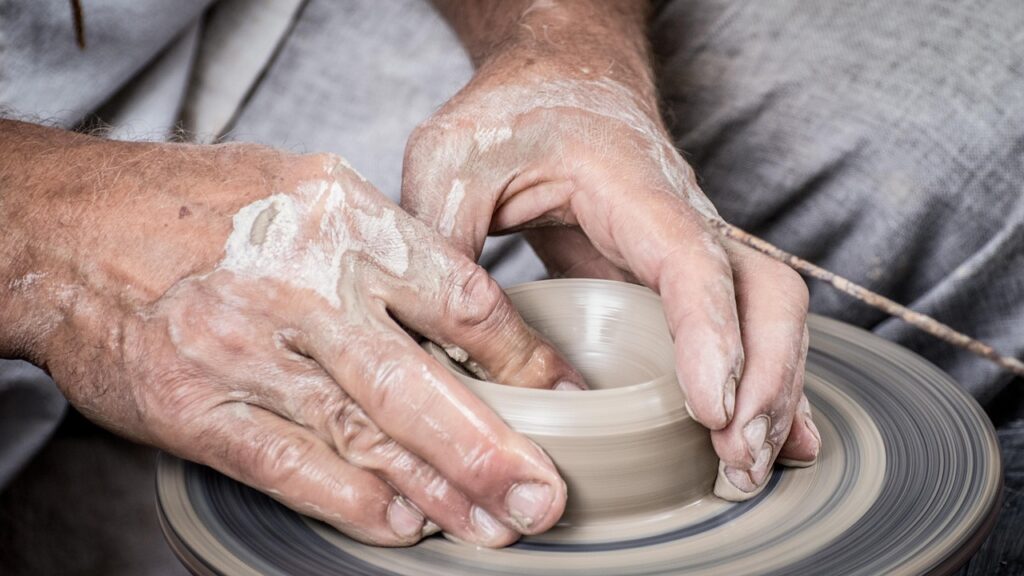






Introduction — Artisan shopping on the Amalfi Coast: stepping inside master potters’ workshops
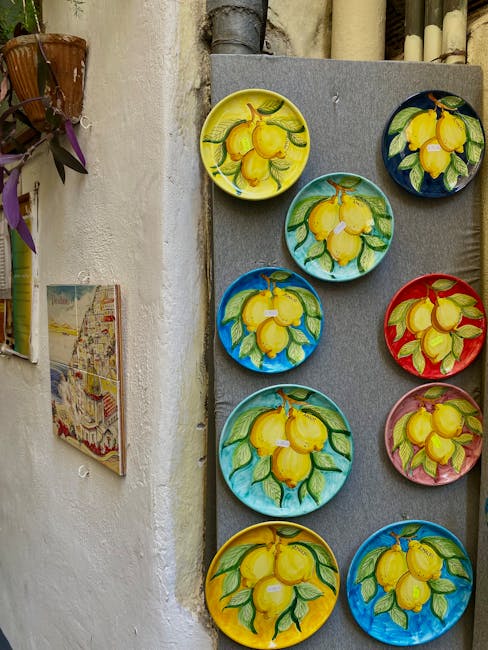
The Amalfi Coast, with its cliffs plunging into bright blue seas and villages hanging like jeweled ornaments, is also a living hub of traditional crafts. Among the most iconic skills is pottery — especially vividly colored majolica ceramics. From Vietri sul Mare to Amalfi and Ravello, family-run studios keep age-old techniques alive: throwing on the wheel, glazing, kiln firing and hand painting. These pieces are both useful and decorative and express the local identity: curved shapes that echo the waves, lemon-tree motifs, blue domes and sunny ochres, and a lively palette that stands the test of time.
This practical guide is aimed at curious buyers who want to be responsible: it’s not an exhaustive list of tourist shops, but rather a route to meet master potters, understand how pieces are made, assess quality and bring home authentic souvenirs. You’ll find exact addresses, opening hours to plan your visits, price ranges and concrete tips on negotiating without offending the artisans. The tone is professional, detailed and immersive, designed so that every purchase becomes a cultural experience — not just a checkout transaction.
During your visit, prioritize workshops where work is still done by hand; watch the clay, the wheel, the way lips are pinched, the glazing gestures. Ask to see a firing and, if possible, a painting demonstration. Master potters love to share their stories: they’ll talk about their land, where their clays and pigments come from, and how Mediterranean light shapes their color choices. Finally, keep practical tips in mind: bring protective materials for transport, ask about shipping options from the studio (artisans often can ship pieces via courier), check glazes for defects and request a receipt or certificate of authenticity for valuable items.

Vietri sul Mare: the historic ceramics capital (studio and museum)
Vietri sul Mare, your first must-see stop, is widely known as the ceramics capital of the Amalfi Coast. Stroll along Via Nazionale where workshops and shops follow one another, façades decorated with painted tiles and wrought-iron signs. Two addresses stand out if you want to learn and buy mindfully:
- Ceramiche Solimene — Via Nazionale 223, 84019 Vietri sul Mare (SA). Hours: daily 09:00–13:00 and 15:30–19:30 (closed Monday morning off-season). Indicative prices: decorative plates from €25, majolica skillet-style dishes €40–120, vases and unique pieces €80–400. Description: a family studio famous for its traditional motifs and collaborations with contemporary designers. The studio offers guided visits by appointment (free for small groups, €5–10 per person for larger groups) and international shipping. Ask to see the firings and the glaze-preparation area.
- Ceramiche Casola — Via Amato 12, 84019 Vietri sul Mare (SA). Hours: 09:30–13:00 and 16:00–20:00 (daily in season, hours vary off-season). Indicative prices: cups and bowls €15–45, individual painted tiles €30–80, ceiling fixtures & mural panels €150–650. Description: known for pictorial tiles and custom mural panels. The owner often offers live hand-painting demonstrations. Custom orders for hotels and restaurants are possible.
Local tips: arrive in the morning to avoid crowds, especially in summer. If you want a customized piece — pattern, color or monogram — clarify lead times: most studios require 1 to 4 weeks depending on complexity and kiln availability. Check the markings on the back of pieces (studio name, date, artist signature) as a mark of authenticity. For transport, request professional packing (often charged €10–30 depending on volume) or opt for international shipping (prices vary; expect €40–150 depending on destination and insurance).
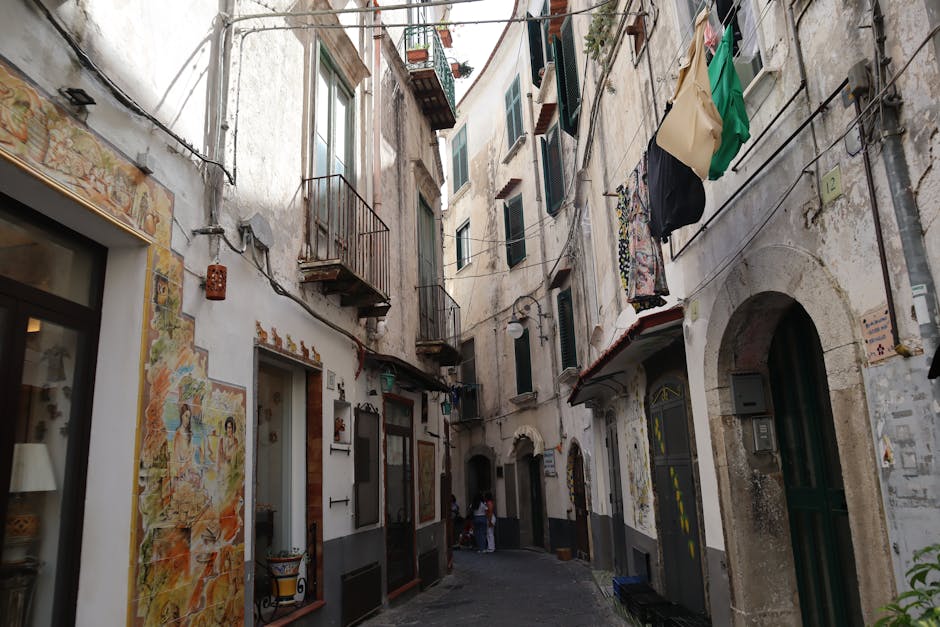
Amalfi and Atrani: workshops tucked into alleys and pieces with marine flair
Amalfi and its neighbor Atrani offer a more intimate contrast to Vietri: workshops sit within narrow lanes where the salty air mixes with the scent of wet clay. Pieces here often take forms that evoke the sea — hulls, shells, stylized fish — and feature a color range dominated by deep blues.
- Laboratorio Ceramico Amalfi — Via Lorenzo d’Amalfi 48, 84011 Amalfi (SA). Hours: 10:00–13:00 and 16:00–19:30 (closed Tuesday). Indicative prices: small cups €12–30, pasta plates €45–90, small marine sculptures €60–200. Description: a local artisan workshop often open for visits without appointment. The master potter demonstrates wheel-throwing in the late afternoon. Pieces are labeled « Made in Amalfi » and can be shipped within Italy and abroad.
- Antica Fornace di Atrani — Piazza Umberto I 5, 84010 Atrani (SA). Hours: 09:30–13:00 and 15:30–19:00 (closed Wednesday). Indicative prices: wall tiles €35–120, ceramic lamps €90–350, full tableware sets made-to-order €250–1,200. Description: a small traditional kiln in Atrani’s old town, famed for its crackled glazes and earthy colors. Artisans here use glaze recipes passed down through generations.
Local tips: Amalfi and Atrani are ideal for buying small, easy-to-pack items (cups, small bowls, decorative plates). If you buy heavy or bulky sets, ask for a shipping quote before completing the purchase. Watch out for export taxes and customs restrictions if you’re traveling outside Europe — keep invoices and declared values for paperwork.
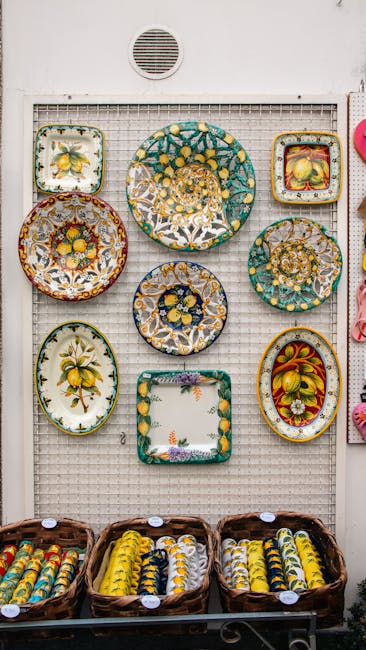
Ravello and contemporary studios: where tradition meets design
Perched above the coastline, Ravello draws art lovers and seekers of quiet. There are fewer studios here, but many are focused on contemporary creation, blending local techniques with modern lines. Pieces are often aimed at buyers looking for originality, with limited editions and signed works by local artists.
- Studio Ceramico Ravello — Atelier Maria Russo — Via Roma 17, 84010 Ravello (SA). Hours: by appointment (phone recommended: +39 089 857xxx). Indicative prices: limited series €120–800, small editions €45–150, commissions and bespoke pieces from €300. Description: Maria Russo treats ceramics like sculpture, combining raw clays and transparent glazes. Visits are often private, with explanations about glaze composition and firing tests.
- Laboratorio d’Arte Ceramica Ravello — Piazza Duomo 2, 84010 Ravello (SA). Hours: 10:00–13:00 and 15:30–19:00 (except Sunday afternoon). Indicative prices: design collections €80–400, hand-painted plates €35–120. Description: an atelier-gallery showcasing potters from across the Amalfi Coast. Great place to find a contemporary piece that remains rooted in local vocabulary.
Practical tips: in Ravello, arrange visits by email or phone (studio staff may be limited in low season). If you want a truly unique piece, allow for longer lead times — some artists prefer to subject works to a second firing for double glazing, which lengthens the process. Don’t hesitate to ask about the origin of raw materials (local or imported clay) if authenticity matters to you.
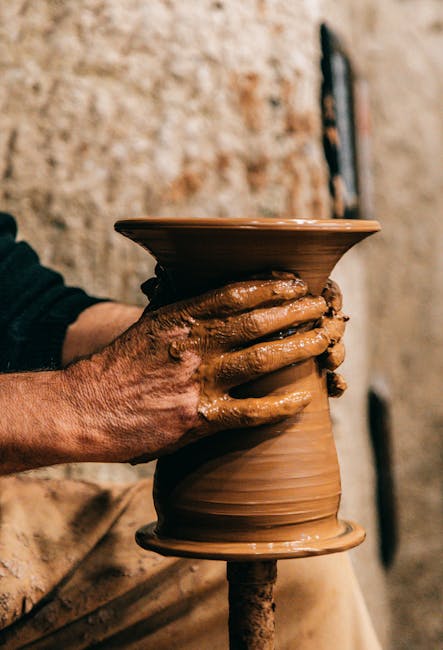
Buying, shipping and vocabulary tips to spot a genuine handmade piece
Buying ceramics on the Amalfi Coast requires a bit of preparation. Here are concrete checkpoints to assess a piece, organize shipping and talk with artisans:
- Check the signature and stamp: a handmade piece often bears a stamp on the back (studio name, initials, serial number). This marking improves traceability and may be required for export.
- Examine the glaze: crazing can be decorative but sometimes signals improper firing. Ask if the piece is food-safe and whether the glaze is certified lead-free (important for tableware).
- Inspect the finish: edges should be smooth and paint applied evenly. Small imperfections are normal and testify to handcraft; regularly patterned bubbles or deep cracks are red flags.
- Packing and shipping: request professional packing (bubble wrap, reinforced crates). Typical professional packing cost: €10–30. For international shipping, studios often work with local couriers (cost €40–200 depending on volume and insurance).
- Haggling: listed prices are often firm in high season, but a 5–15% discount is reasonable for multiple-item purchases. Stay polite and offer cash if you want to negotiate a better price.
- Questions to ask: ask firing temperatures (usually 980–1100 °C for majolica), glaze composition, and whether repairs are offered (some studios repair or take back broken pieces).
Local tip: if you’re buying as a gift or for resale, ask for a catalogue or high-resolution photos of pieces (often provided free) and insist on an invoice showing VAT if you are a professional buyer.
Conclusion — Buy with meaning: help preserve a living heritage
Meeting the master potters of the Amalfi Coast is an experience beyond purchasing an object: it’s a direct encounter with intangible heritage, gestures passed down through generations and an aesthetic deeply tied to a place. By choosing authentic studios — in Vietri sul Mare, Amalfi, Atrani or Ravello — you support artisan families, encourage the transmission of skills and bring home pieces that tell a story. The price is not just for materials and time, it’s also the story of a land and the emotion of a crafted gesture.
To make your purchase sustainable and responsible, favor quality over quantity: a well-made plate or lamp will age better and avoid frequent replacements that create waste. Think logistics: request professional packing, ask about shipping and keep invoices and certificates. Finally, let curiosity lead you: ask questions, request a demonstration, share a coffee with the artisan. These moments make your object precious not only for its beauty but for the memory of the place and the people who made it.
Whether you’re a collector, a design professional or a traveler looking for an authentic souvenir, the Amalfi Coast offers rich encounters and exceptional pieces. Plan your visits using the stated hours, take time for conversations and choose thoughtful purchases. You’ll leave with more than an object — you’ll take home a piece of the Mediterranean: colorful, alive and handmade.
