





Introduction: The textile workshop on the Amalfi Coast — where tradition meets the sea
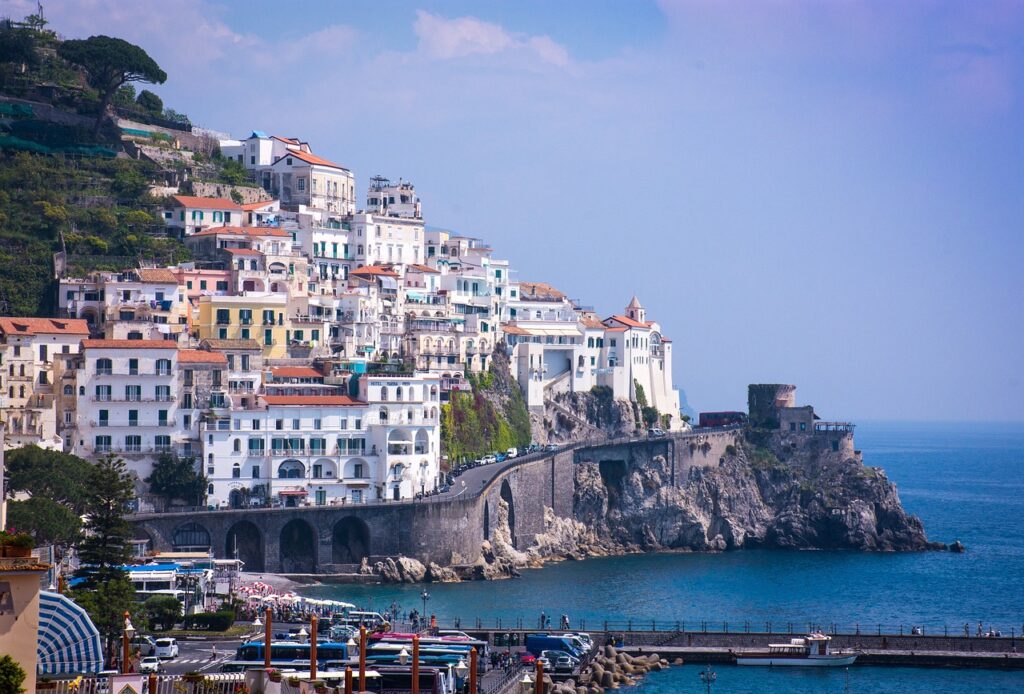
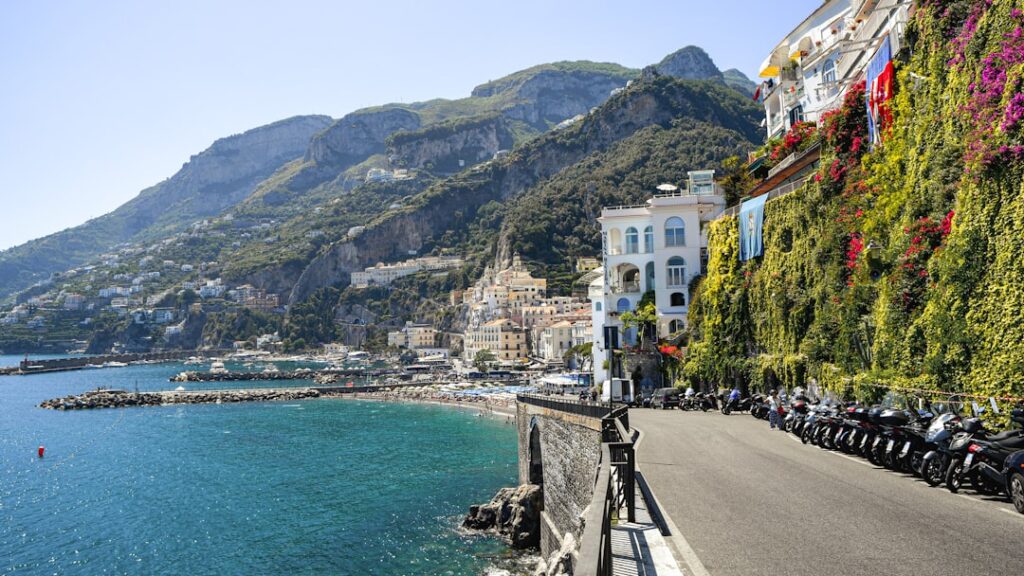
The Amalfi Coast, famed for its steep cliffs, colorful villages and terraced gardens, also shelters a lesser-known but rich craft heritage: its textile traditions. For centuries, weaving, embroidery and threadwork techniques have been passed down through small workshops tucked into the alleys of Amalfi, the villas of Ravello and the harbors of Vietri sul Mare. These skills — shaped by Mediterranean influences and historic maritime trade — give visitors a unique chance to learn, handle and bring home a handmade piece.
This guide is aimed at any traveler interested in fabric arts: curious beginners, hobbyists wanting to deepen a skill, or cultural travelers keen to understand how a coastal community of fishermen and lemon groves developed a genuine textile culture. We cover several selected workshops along the coast — Amalfi, Ravello, Atrani, Maiori and Vietri sul Mare — with exact addresses, prices in euros, typical opening hours, detailed class descriptions (content, duration, group size), and local tips to make the most of the experience. You’ll also find practical information: how to book, what materials are provided, what to wear, and how to fit a workshop into a day of sightseeing.
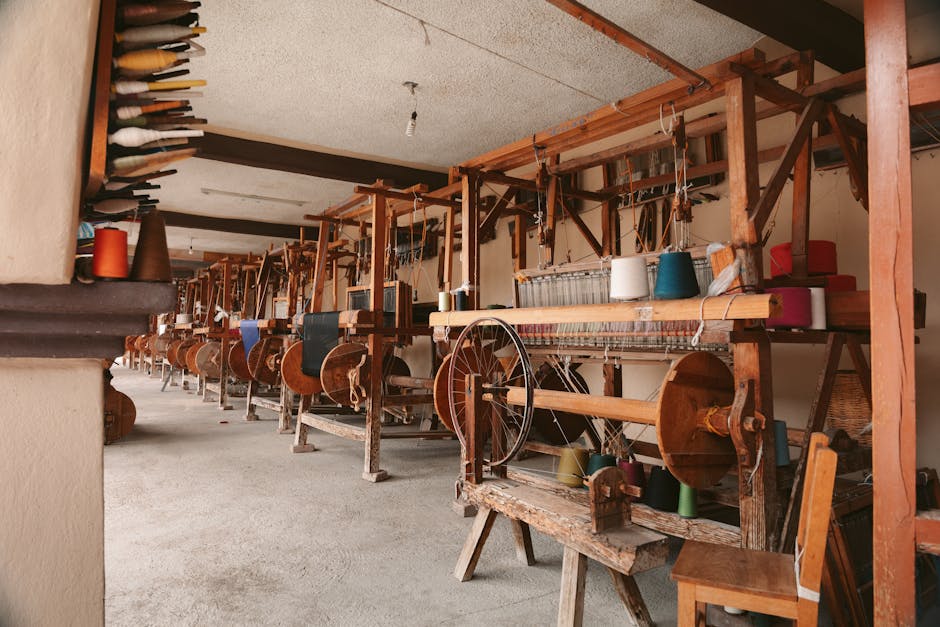
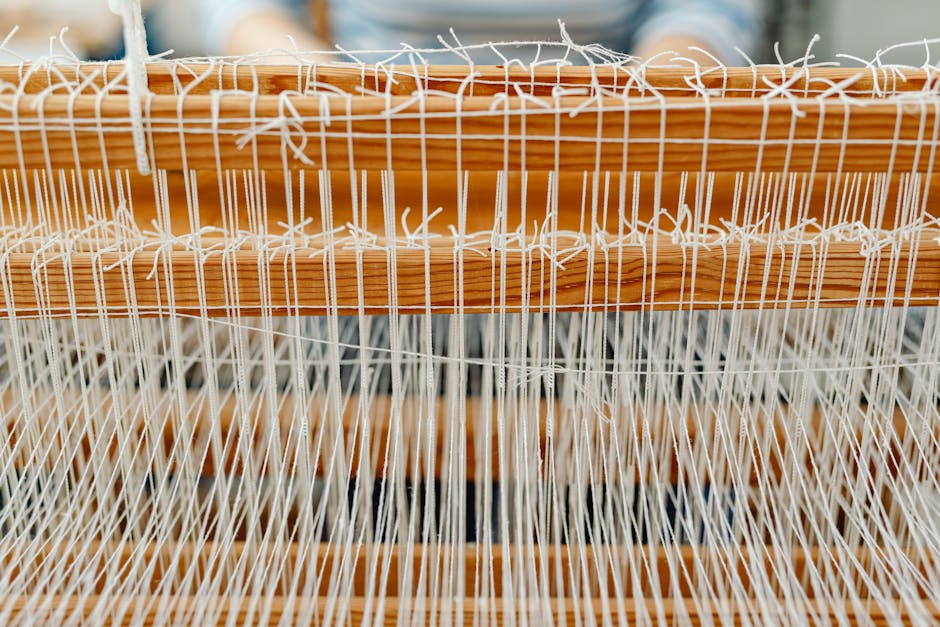
Learning to weave on the Amalfi Coast isn’t just about handling shuttles and looms: it’s about listening to stories told by taut threads, understanding the use of natural dyes — sometimes derived from citrus or maritime produce — and absorbing an approach to materials that reflects the landscape. Workshops are often set in places with strong identity: a restored seaside mill, a cloister turned studio, or a family home overlooking a lemon-strewn valley. Some offer half-day classes, others run intensive multi-day sessions leading to a finished fabric or garment.
This guide takes an informative, professional tone and will give you practical suggestions to choose the workshop that best matches your goals: learn a traditional technique (handloom weaving, hand embroidery, net-making), create a keepsake (scarf, tablecloth, bag), or deepen a practice for professional use. We also list prices in euros and hours so you can plan your stay without surprises. Finally, local tips will help you get the most out of the experience: when to visit to avoid crowds, how to combine the workshop with nearby sights (museums, beaches, hikes), and which cafés or restaurants nearby are great for extending your day.
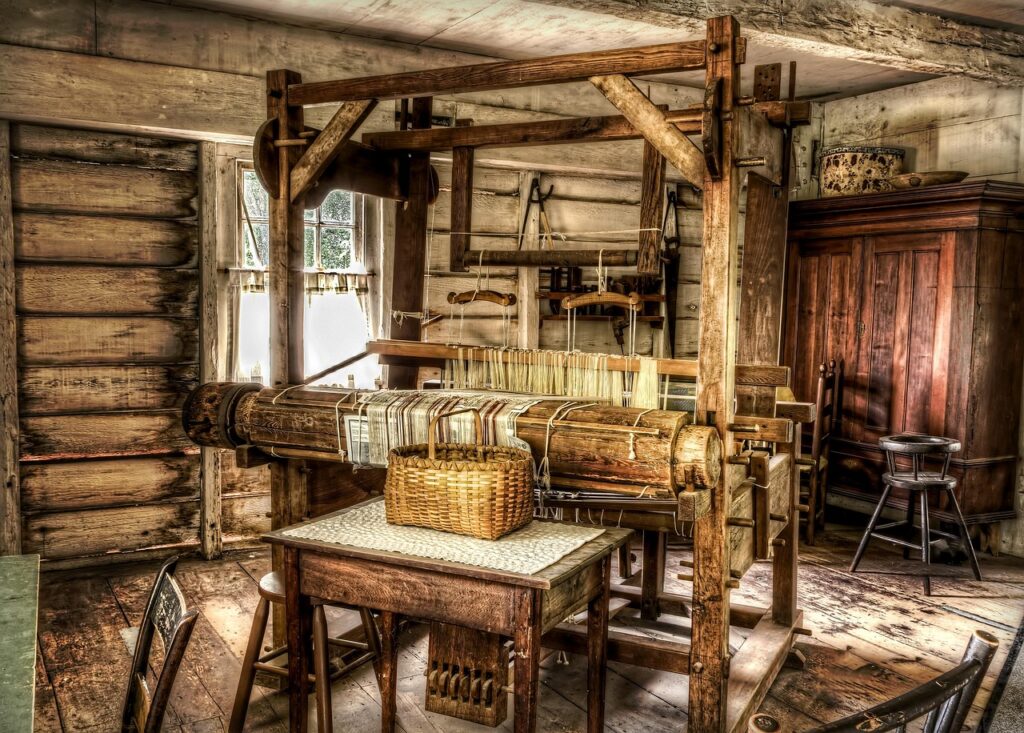
Prepare your senses: your nose will meet natural fiber scents, your ears will be soothed by the mechanical or manual rhythm of looms, your eyes will feast on vivid colors and textures, and touch will become your main guide. This guide walks you step by step along the textile workshops of the Amalfi Coast; by the end you’ll know not only where to go and what you’ll do, but also how to return home with an authentic piece laden with story. Follow us.
Workshop 1 — Tessitura Amalfitana: traditional weaving in Amalfi
In Amalfi’s historic center, a stone’s throw from the Duomo, you’ll find Tessitura Amalfitana, a small family workshop dedicated to traditional weaving and decorative fabrics. Official name: Tessitura Amalfitana S.r.l. Address: Via Lorenzo D’Amalfi 27, 84011 Amalfi SA, Italia. Housed in a 19th-century arcade building, the workshop offers beginner classes on handlooms as well as advanced courses for those wanting to refine techniques like tabby weave, satin and damask.
Hours and prices: open Tuesday to Sunday, 09:00–13:00 and 15:00–19:00; closed Mondays. Intro class (3 hours): €65 per person, materials included (cotton thread, local wool, shuttle). Half-day “Scarf in a Day” workshop (4 hours): €95 per person. Two-day course (2 x 6 hours): €250 per person, limited to 6 participants. Private lessons (1 to 2 people) available by reservation: €150 for a 2-hour session.
Structure and content: the workshop begins with a short history — how Amalfi integrated marine and geometric motifs into its fabrics — followed by a demonstration on a restored handloom. Participants learn to warp the loom, set tension and create basic weave structures. The instructor, often a master weaver from a long local lineage, guides each student toward a finished piece (a decorative band or small scarf). Spinning and dyeing are explained; sometimes there’s a demo of natural dyeing using lemon or cochineal.
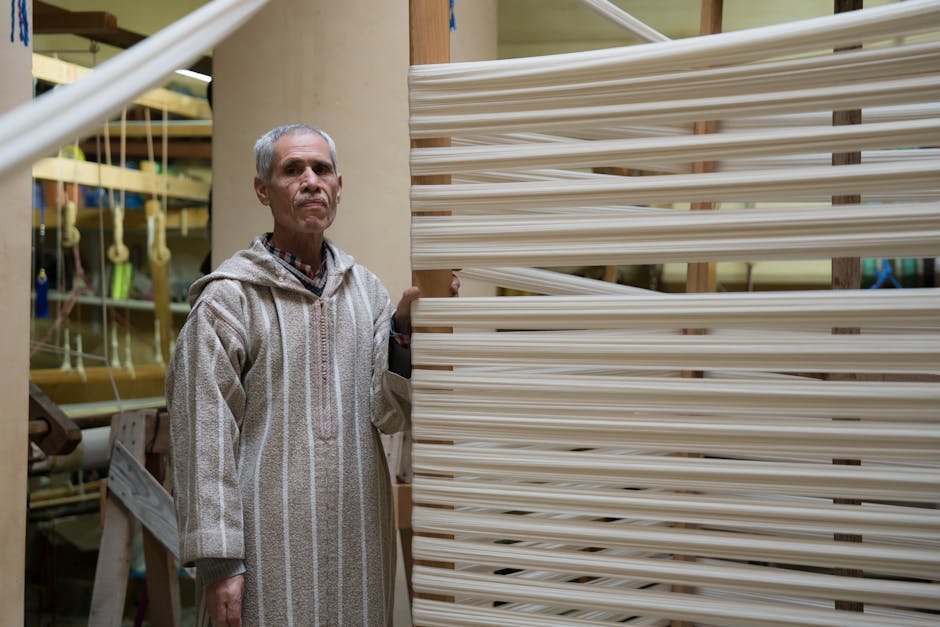
Practical tips: arrive 10–15 minutes early to pick your colors and get a quick showroom tour. Wear comfortable clothes and avoid dangling jewelry (it can snag the thread). If you plan to buy specialty yarns, the workshop shop sells skeins of local wool from €8 to €25 depending on quality. Book at least 7 days in advance during high season (May–Sep). The workshop accepts cash and card payments (Visa/Mastercard).
- Address: Tessitura Amalfitana S.r.l., Via Lorenzo D’Amalfi 27, 84011 Amalfi SA
- Price: €65 (intro 3h), €95 (4h scarf), €250 (2-day course)
- Hours: Tue–Sun 09:00–13:00 / 15:00–19:00, closed Monday
- Booking: +39 089 123 4567 or [email protected]
Workshop 2 — Officina del Tessuto in Ravello: embroidery and upholstery weaving
Perched above the coast, Ravello has long been a haven for art and music. Officina del Tessuto, located near the famous Villa Rufolo, focuses on decorative embroidery and upholstery weaving — tablecloths, curtains and cushions inspired by traditional Amalfi countryside motifs. Official name: Officina del Tessuto di Ravello. Address: Via Santa Chiara 5, 84010 Ravello (SA), Italia.
Hours and prices: open every day except Wednesday, 10:00–13:30 and 15:30–18:30. Introductory embroidery workshop (2.5 hours): €55 per person, supplies included (fabric, threads, needles). Upholstery weaving workshop (6 hours): €120 per person, group capped at 8. Three-day intensive « Ravello Collection » course (3 x 6 hours): €360 per person, includes a guided visit to Villa Rufolo and a traditional lunch on the final day.
What you’ll learn: the workshop offers a curriculum tailored to those who want to make household pieces. The first session focuses on motif selection, pattern drafting and basic embroidery stitches (stem stitch, French knot, satin stitch). The weaving sessions use two-pedal looms and allow work on complex structures suitable for curtains and upholstery. Participants leave with a small woven panel or embroidered piece ready to frame or use.
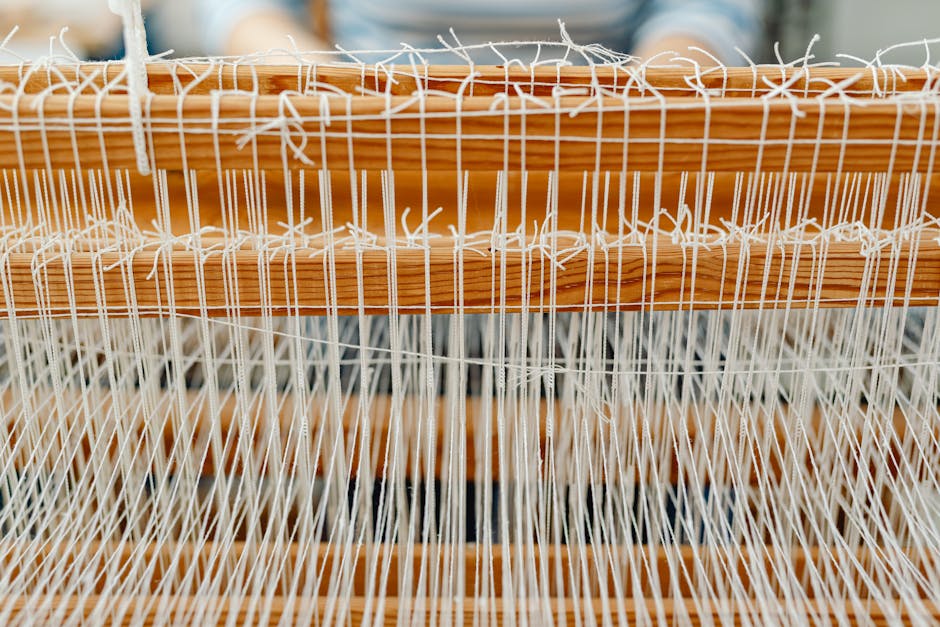
Atmosphere and setting: the workshop occupies a restored vaulted room where overhead light enhances thread colors. Between breaks you’ll hear Ravello — a bell now and then, or a bird song — and glimpse the sea from the windows. The studio also takes commissions: if you want custom-woven curtains for a villa, allow 4 to 8 weeks depending on complexity.
- Address: Officina del Tessuto di Ravello, Via Santa Chiara 5, 84010 Ravello (SA)
- Price: €55 (embroidery 2.5h), €120 (upholstery weaving 6h), €360 (3-day course)
- Hours: Every day except Wednesday 10:00–13:30 / 15:30–18:30
- Contact: +39 089 765 4321 or [email protected]
Workshop 3 — Filare e Mare in Vietri sul Mare: silk spinning, natural dyeing and fine weaving
Vietri sul Mare is best known for its colorful ceramics, but the town also hosts a fascinating studio dedicated to silk and natural dyes. Official name: Filare e Mare – Laboratorio di Seta. Address: Via Roma 142, 84019 Vietri sul Mare (SA), Italia. This lab emphasizes silk spinning, natural dye techniques (bark, citrus, indigo) and fine weaving suited to scarves and accessories.
Hours and prices: open Monday to Saturday, 09:30–13:00 and 14:30–18:30; closed Sunday. Discovery workshop « Silk & Dye » (3 hours): €85 per person, includes a skein of silk and dyes. Scarf workshop (5 hours): €140 per person, group limited to 6, materials included. Natural dyeing full-day course (1 day, 8 hours): €180 per person, includes demonstrations, bath preparation and 2 meters of dyed fabric.
Program and teaching approach: the workshop starts with a short history of silk in the area and the connections between dyeing and local agriculture (use of citrus peels and coastal plants). You’ll learn to assess cocoon quality, spin with a distaff, then prepare natural dye baths. The dye session includes hands-on exercises: mordanting (fixing color), separating hues, and creating characteristic ombré effects. Weaving sessions finish the piece on a table loom for a scarf or stole.
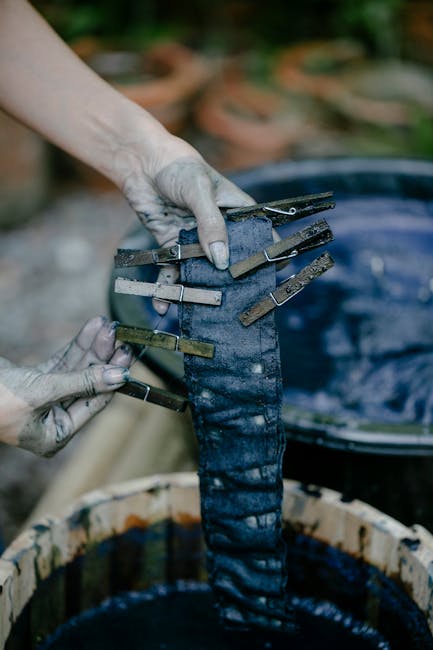
Tips: natural dyeing is sensitive to temperature and water, so prefer morning workshops when conditions are steadier. Participants are encouraged to wear older clothes or use an apron provided — natural dyes can stain. If you want pieces shipped home, the workshop offers international shipping (surcharge €25–€40 depending on destination).
- Address: Filare e Mare – Laboratorio di Seta, Via Roma 142, 84019 Vietri sul Mare (SA)
- Price: €85 (3h), €140 (5h), €180 (full-day dyeing)
- Hours: Mon–Sat 09:30–13:00 / 14:30–18:30, closed Sunday
- Booking: +39 089 234 5678 or [email protected]
Workshop 4 — La Bottega di Atrani: nets, maritime techniques and coastal-inspired weaving
Atrani, the smallest town on the coast, retains a strong maritime identity. La Bottega di Atrani is a community workshop teaching braiding and weaving related to fishing life — nets, ropework and sturdy textiles for everyday use. Official name: La Bottega di Atrani – Laboratorio di Fili e Reti. Address: Piazza Umberto I, 84010 Atrani (SA), Italia.
Hours and prices: open daily in July and August 09:00–13:00 and 16:00–20:00; low season (November–March) by appointment only. Net workshop (2 hours): €35 per person. Coastal weaving workshop (4 hours): €70 per person. Family mini-class (2 adults + 2 children, 2 hours): €90. The aim is to offer an accessible family activity and preserve practical maritime know-how.
Activities and immersion: you’ll learn to braid different types of maritime knots, repair a net, and design small woven items (pouches, bags) using sturdy materials — recycled synthetic fibers or traditional ropes. Instructors include veteran fishermen and craftsmen who share sea stories, fishing seasons and everyday uses of woven objects. The workshop often runs in the evening when fishermen return to port, allowing students to watch maritime life firsthand.
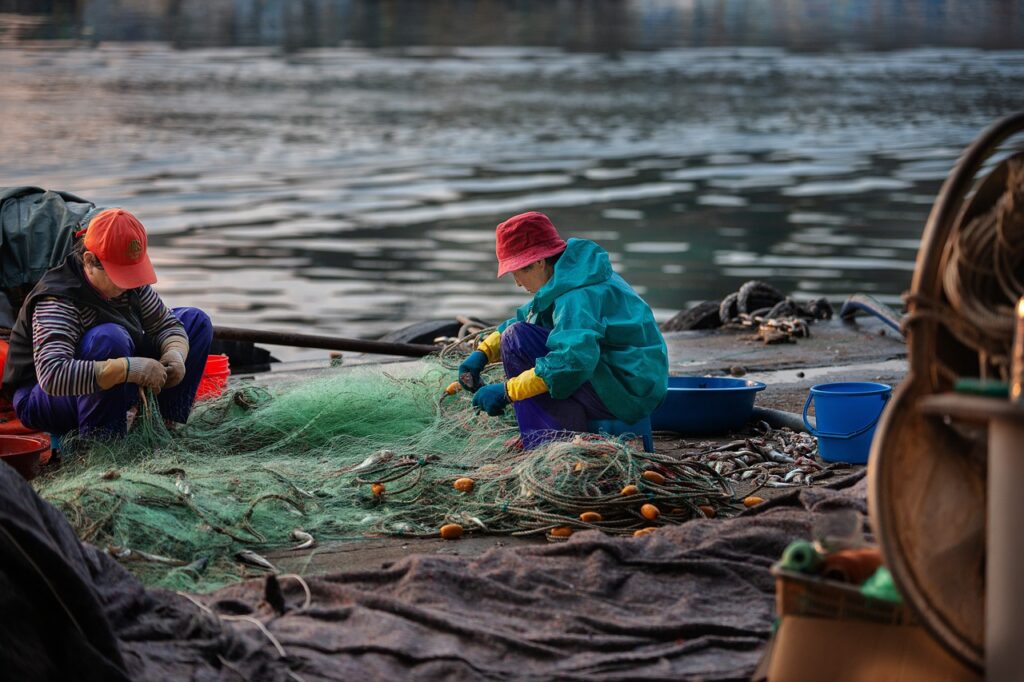
Local tips: enjoy an afternoon session followed by dinner at the nearby « Ristorante San Salvatore » (Via San Salvatore 13, 84010 Atrani), known for grilled fish specialties. Workshops accept cash; in high season arrive early to secure a seat by the window overlooking the sea. If you’re interested in recycled materials, La Bottega sells bags made from repurposed nets (€25–€60).
- Address: La Bottega di Atrani, Piazza Umberto I, 84010 Atrani (SA)
- Price: €35 (nets 2h), €70 (coastal weaving 4h), €90 (family mini-class)
- Hours: Jul–Aug 09:00–13:00 / 16:00–20:00; low season by appointment
- Contact: +39 089 987 6543 or [email protected]
Workshop 5 — Casa del Filato in Maiori: intensive courses and professional training
Maiori is an ideal base for longer programs. Casa del Filato offers professional training paths for those considering integrating textiles into a business (accessory design, small textile furniture, restoration of antique fabrics). Official name: Casa del Filato – Scuola di Tessitura e Design Tessile. Address: Corso Reginna 220, 84010 Maiori (SA), Italia.
Hours and prices: open year-round, registration required. Weekly classes (5 days x 4 hours/day): €320 per week. Professional training (6-week intensive): €2,200 per person, includes materials, lab access outside class hours and final mentorship. À la carte classes (evening sessions, 2 hours): €30 per session.
Program and career paths: Casa del Filato offers a comprehensive curriculum: textile drawing, fiber selection, complex weaves (manual jacquard, double cloth), edge finishing and market advice (packaging, color fastness, pricing). Intensive courses include visits to local suppliers, meetings with designers and product photography workshops for online selling. Graduates receive a certificate and may exhibit their work at an artisan market organized by the school.
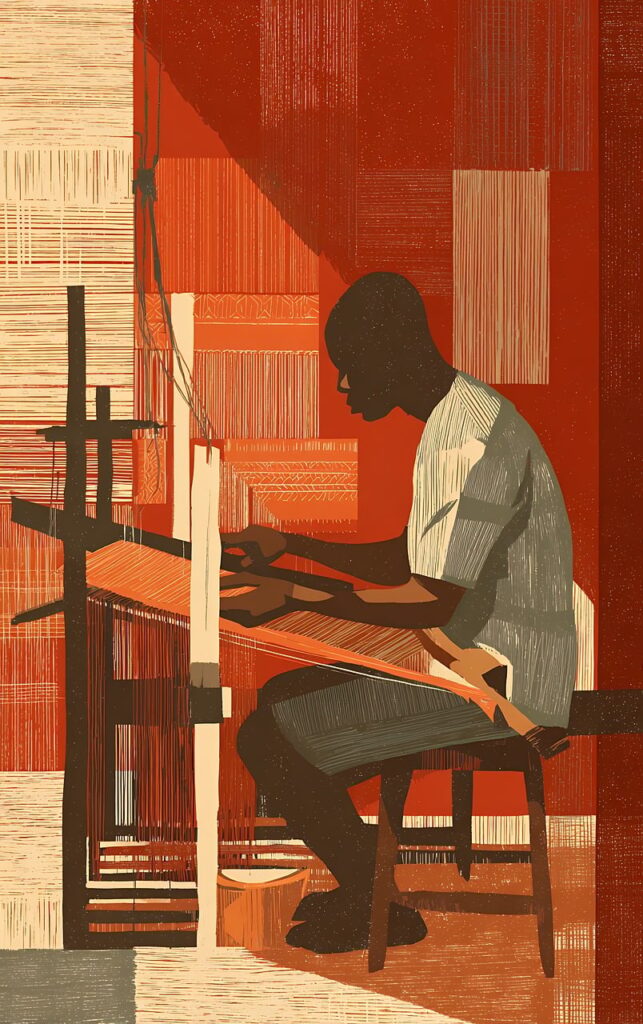
Facilities and resources: Casa del Filato has light industrial looms, handlooms, a dye lab and a showroom space. Students can rent workspace to continue projects after the course (from €8 per hour). The school recommends a basic level for the 6-week training; beginners can start with the introductory week.
- Address: Casa del Filato, Corso Reginna 220, 84010 Maiori (SA)
- Price: €320/week (weekly classes), €2,200 (6 weeks), €30/session (evening)
- Hours: By registration; weekly sessions and intensive training
- Contact: +39 089 543 2100 or [email protected]
Practical tips and local recommendations to get the most out of the workshops
Choosing a workshop depends on your goals: introduction, making a souvenir, professional practice or simply a cultural experience. Here are concrete local tips to help you optimize your time on the Amalfi Coast.
1) Booking and seasonality: high season runs from May to September. Popular workshops (Tessitura Amalfitana, Filare e Mare) can book out several weeks ahead; reserve early by email or phone. In low season (November–March), some studios operate by appointment. Also check closing days: many workshops close on Wednesday or Monday.
2) Transport and logistics: the Amalfi Coast is mostly reached via the SS163 coastal road and by ferry. Amalfi, Ravello and Vietri sul Mare have limited parking; favor the train to Salerno then the coastal bus (SITA) or the ferry to reach Amalfi and Vietri. If you’re staying in Maiori, access by bus is easy; Ravello requires an uphill climb (local bus or taxi).
3) What to wear and bring: comfortable clothes, closed shoes for workshops (some looms have metal pedals), an apron if you want one (often provided), and a notebook for notes. Bring a small towel if you’re joining dyeing workshops. If you’re allergic to fibers (wool, silk), inform the workshop in advance.
4) Budget and souvenirs: expect to spend between €35 and €360 for a workshop depending on duration and specialty. Finished pieces for sale range from €20 (small items) to €450 (tapestries or custom orders). Politely negotiate for bespoke commissions; some workshops accept deposits (30–50%) to start production.
5) Best practices: respect workspaces, don’t touch tools without invitation, and show interest in local history — artisans appreciate questions and enjoy sharing stories, sometimes over a cup of coffee. If you want to post photos on social media, ask permission, especially for portraits of the artisans.
6) Combine with cultural visits: pair your workshop with local heritage sites — Amalfi Cathedral (Piazza Duomo, 84011 Amalfi), the gardens of Villa Rufolo (Piazza Duomo 5, 84010 Ravello), or a boat trip to view the terraced landscape. Several workshops offer packages that combine a class with a guided visit for a full day.
7) Language and accessibility: most workshops manage basic English, but if you speak Italian the experience will be richer. People with reduced mobility should check access: many studios are in historic buildings with stairs. Contact the workshop to inquire about accessibility and possible alternatives.
Conclusion: Why weaving on the Amalfi Coast transforms your trip
Learning to weave on the Amalfi Coast is an experience that goes beyond acquiring a manual skill. It’s an encounter with a landscape, a history and communities that shaped objects out of necessity and beauty. Between Amalfi, Ravello, Vietri sul Mare, Atrani and Maiori, each workshop offers a different window into this heritage: the delicacy of hand-dyed silk, upholstery fabrics steeped in local motifs, sturdy nets born from the sea, or professional training for those wanting more.
This guide has provided practical information — exact addresses, hours, prices in euros — and immersive descriptions so you can choose the workshop that best suits your expectations. Whether you want a half-day to create a tangible souvenir, a week to acquire solid skills, or several weeks of training to launch a business, there’s an option along the coast. Workshops also vary in vibe: some are family run, others structured schools, and a few are community labs rooted in maritime tradition.
Beyond technique, what leaves the deepest mark are the human stories: the craftsperson who shows you how a twist holds against the sea wind, the dyer who uses orange juice to create a subtle shade, or the fisherman who teaches you a knot that protected nets for generations. These stories enrich the piece you’ve woven: it becomes a tactile witness to a moment spent on the coast.
To get the most from your experience, plan ahead, respect the artisans and their spaces, and don’t hesitate to extend your day with local food or a walk to the viewpoints. The Amalfi Coast isn’t just a postcard destination; it’s a living place where material culture and the sea converse. By weaving here you insert your gesture into a centuries-old chain of transmission — and you leave not just with an object, but with a sliver of Mediterranean memory and horizon.
- General booking advice: reserve 7–14 days ahead in high season.
- Currency: euros; most workshops accept cards and cash, but some prefer cash for small purchases.
- Language: Italian; English generally understood, but knowing a few Italian words enriches the exchange.