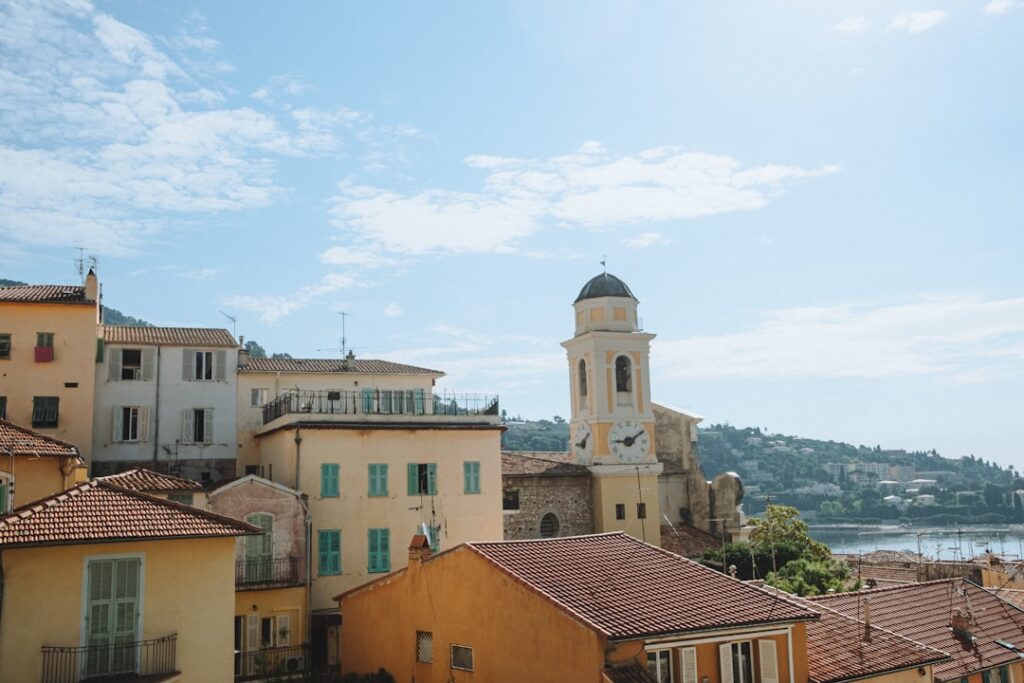






Introduction: The Tasteful, Handcrafted Soul of the Amalfi Coast
Traveling the Amalfi Coast is like stepping into a tiny world where scents, colors and local crafts tell a story that stretches back generations. Between cliffs plunging into turquoise Mediterranean waters, picturesque villages and terraces scented with lemon groves, this stretch of Naples’ coastline has turned a handful of specialties — limoncello of course, but also handmade soaps, lemon sweets and hand-painted ceramics — into regional icons. This guide will walk you through how to taste, buy and bring home these local treasures, complete with exact addresses, opening hours, price ranges, sensory descriptions and practical tips to avoid tourist traps.
Whether it’s a tasting at a family distillery, a soap-making workshop using olive oil and lemon zest, or a visit to a master potter in Vietri sul Mare, the Amalfi Coast offers a palette of authentic experiences. You’ll find historic shops in Amalfi and Sorrento, weekly markets in Minori and Maiori, and producers who open their small labs for demonstrations. This article doesn’t just list addresses: it dives into how limoncello is made, describes the textures and fragrances of artisan soaps, suggests food pairings and gift ideas with longevity in mind, and gives tips for transporting and preserving fragile products.
For discerning travelers, knowing prices and opening hours is essential: we detail where to find artisan limoncello for under €15, which shop sells soaps starting at €6, and which places open early so you can enjoy them before the crowds arrive. We also point out nearby landmarks to help plan a typical day: for instance, pair a visit to the Cathedral of Sant’Andrea in Amalfi with a local liqueur tasting, or combine a stroll through the Villa Rufolo gardens in Ravello with the purchase of a floral-scented soap.
Finally, we offer very practical, concrete advice: how to pack a bottle of limoncello in your carry-on without breakage, how to spot a genuinely handmade soap versus a mass-produced product, and which labels to look for (alcohol percentage, origin of the lemons, soap ingredients). We also provide precise addresses — full names, postal addresses, opening hours and indicative prices in euros — so your exploration is as smooth and flavorful as possible. Get your taste buds and suitcases ready: the Amalfi Coast is about to reveal itself through its aromas, textures and colors.
Limoncello: History, Production and Top Spots
Limoncello is the undisputed star of the Amalfi Coast. This lemon liqueur, both lively and sweet, is traditionally made by macerating local lemon peels in neutral spirit, then mixing the infusion with a sugar syrup. Along the coast the main variety used is the « Limone di Amalfi IGP, » a lemon known for its thick, aromatic skin that’s rich in essential oils. The artisanal method favors slow maceration (15 to 40 days depending on the producer) and the use of 95° alcohol, later adjusted to around 30–33% ABV before bottling.
Where to taste and buy:
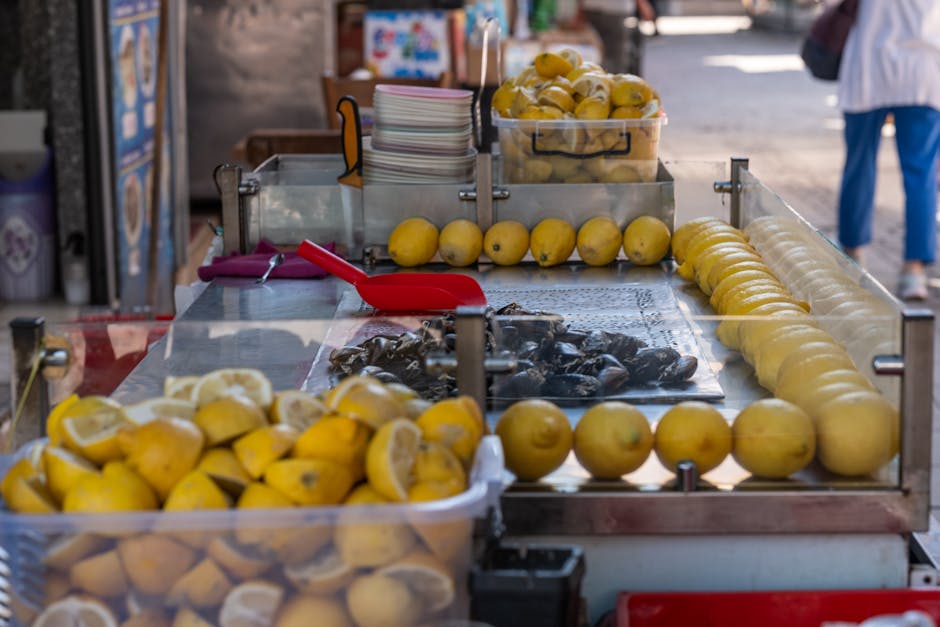
- Antica Distilleria Amalfi — Via Lorenzo d’Amalfi 12, 84011 Amalfi. Hours: Tuesday to Sunday 09:30–19:00, closed Monday. Free tasting by appointment. Prices: 200 ml bottles from €12, 500 ml from €20. Description: family distillery with visible maceration tanks and information sheets for each product. Tip: ask for the « Zest Reserve » cuvée — it’s bolder and perfect as a digestif. <img width="1024" height="768" src="https://ue.is/wp-content/uploads/sites/31/2026/04/amalfi-distillery-limoncello-tasting-view-1024×768.jpg" class="aligncenter" alt="View of limoncello tasting area at a distillery in Amalfi » loading= »lazy » />
- Liquoreria Sorrento – Antiche Tradizioni — Corso Italia 201, 80067 Sorrento (NA). Hours: daily 09:00–22:00. Prices: 250 ml €10–15, tasting sets 3×100 ml €18–25. Description: historic shop, within walking distance of Piazza Tasso. Tip: buy a tasting set if you want to gift several flavors (lemon, basil, lemon & mint).
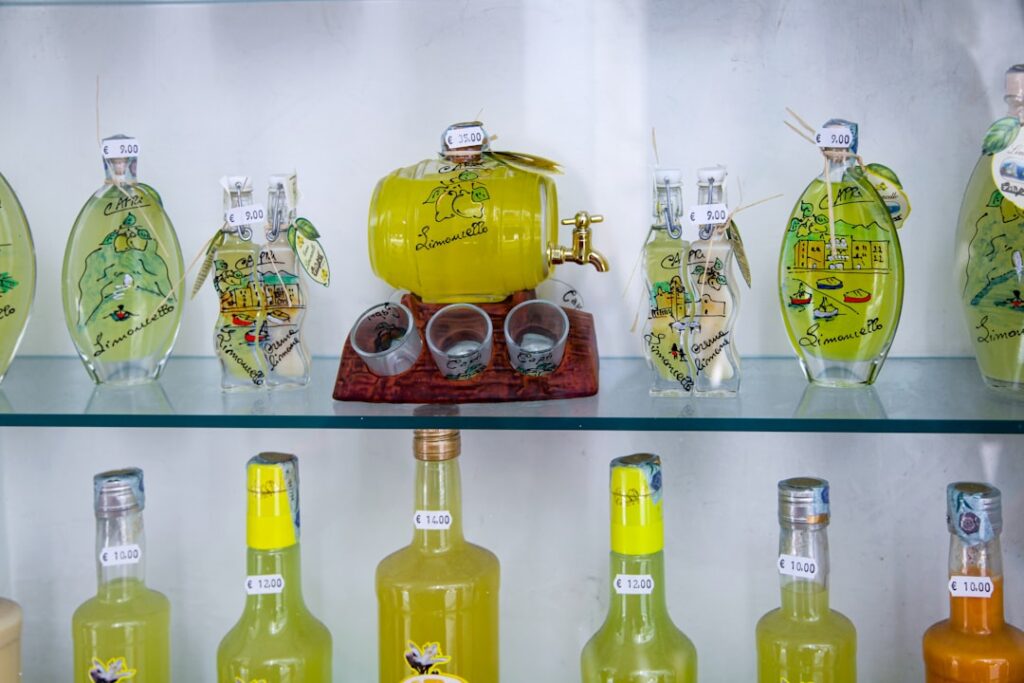
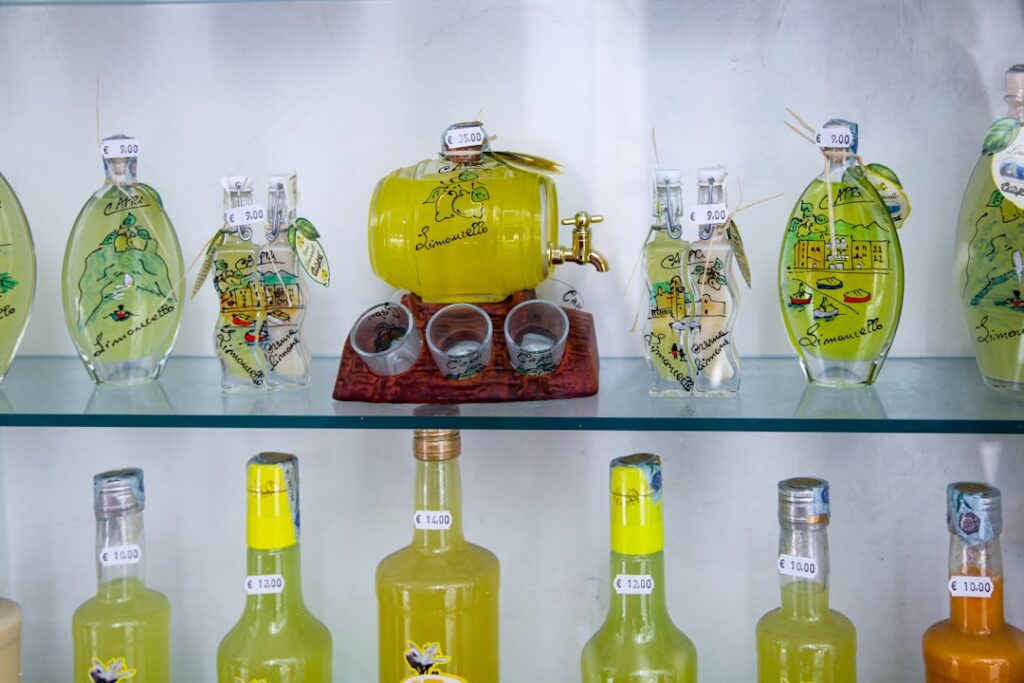
- La Casa del Limoncello – Positano — Via Pasitea 200, 84017 Positano. Hours: 10:00–19:30 daily. Prices: artisan 100 ml €8, decorated 500 ml €30–40. Description: small-batch production with hand-painted decorative bottles. Tip: compare sugar levels on the label to choose a drier or sweeter balance.
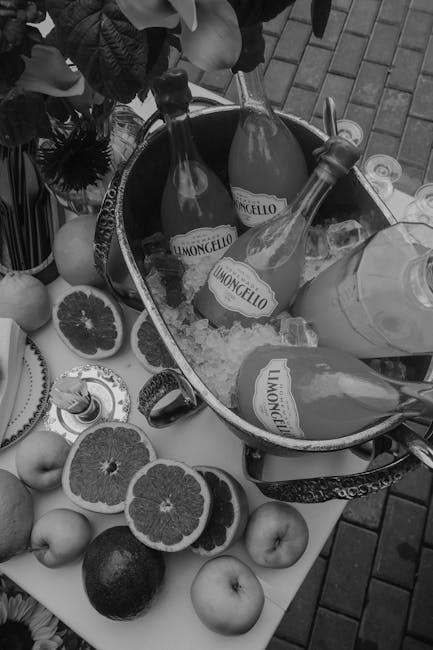
Practical tip: when transporting limoncello, favor a thick-glass bottle and wrap it in clothing or bubble wrap inside a checked suitcase. In-cabin rules limit liquids (usually 100 ml for international flights); if you’re flying, buying in airport duty-free is often the safer option. For tasting, limoncello is best served very cold — ideally 4–8 °C — in chilled glasses. Enjoy it as a digestif after a seafood meal, or paired with lemon sorbet for a doubly citrusy dessert.
Handmade Soaps & Local Cosmetics: Ingredients, Shops and Workshops
The tradition of handmade soap on the Amalfi Coast makes the most of local raw materials: extra virgin olive oil, lemon zest, orange blossom, marine clay and sometimes goat’s milk from nearby hills. Soaps made here are notable for intense scents, natural colors and nourishing textures. Many small workshops avoid industrial foaming agents and favor cold-process saponification, which preserves natural glycerin and results in a gentler bar for the skin.
Recommended addresses:
- Officina dei Saponi – Amalfi — Via Pantaleone Comite 7, 84011 Amalfi. Hours: Wednesday to Sunday 10:00–18:30. Prices: 80 g soaps €6 each, 3-soap gift sets €17. Description: workshop-shop offering cold-process demonstrations and soaps scented with limone e basilico, olive & rosemary. Tip: book the Wednesday afternoon workshop (14:00–16:30, €40 per person) to make your own soap.
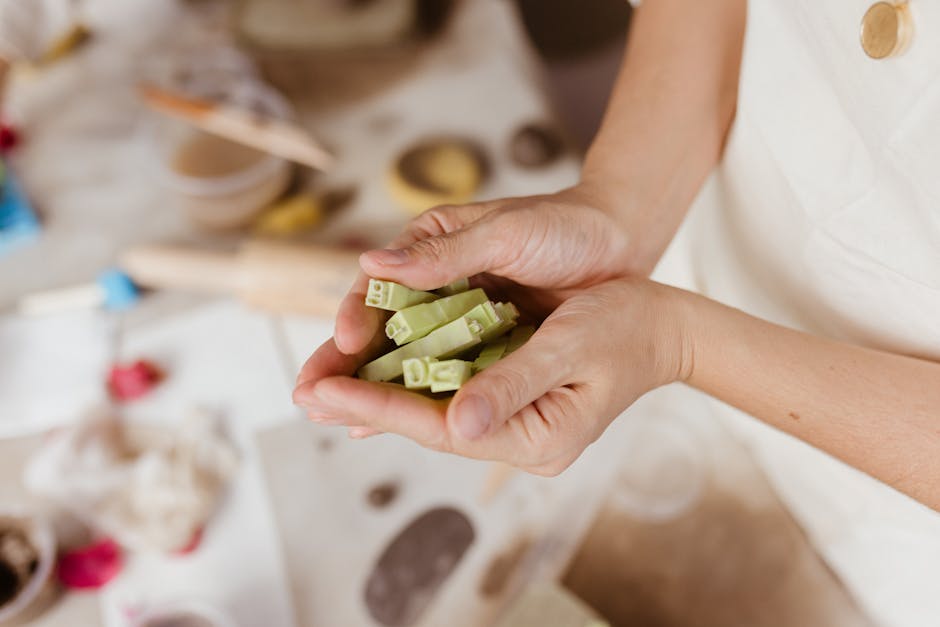
- Sapone di Positano — Via dei Mulini 11, 84017 Positano. Hours: daily 09:30–20:00. Prices: exfoliating soaps 90 g €7, body balms 50 ml €12–15. Description: small batches with recyclable packaging, fragrances made from Limone di Amalfi IGP. Tip: choose soaps made with local olive oil for daily use, and donkey milk soaps for sensitive skin.
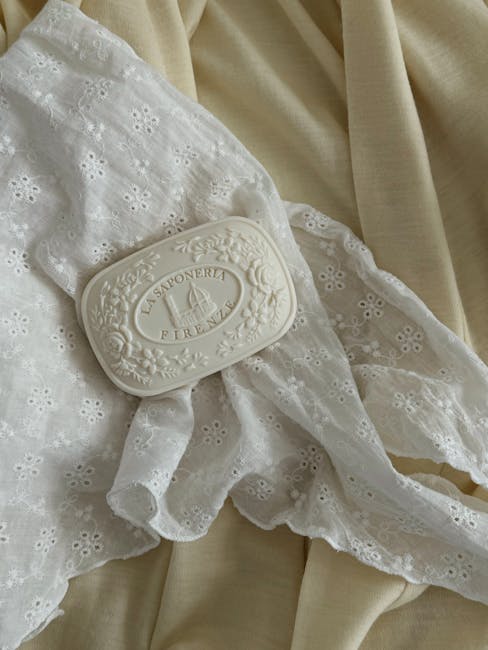
- Laboratorio Cosmetico Ravello — Via Roma 16, 84010 Ravello. Hours: Tuesday to Sunday 10:00–18:00. Prices: 2-hour intro workshop €50, finished products €8–25. Description: a workshop focused on natural cosmetics (creams, soaps, body oils). Tip: combine the visit with the Villa Rufolo gardens for a fragrant day out.
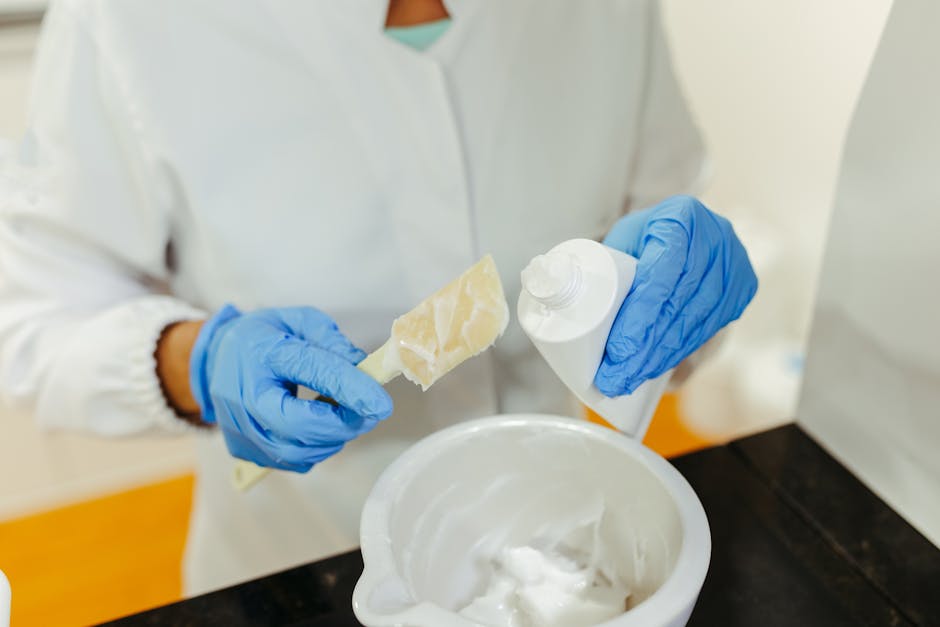
How to recognize a genuine artisan soap:
- Check the INCI list: prefer natural ingredients (olio di oliva, aqua, sodium hydroxide, lemon zest/oil) and avoid sulfates (SLS) and parabens.
- The presence of natural glycerin is a good sign: artisan soap often has a slightly creamy texture and leaves skin soft, unlike industrial soaps which can be drying.
- Ask about the method: cold-process saponification retains more active ingredients, while melt-and-pour soap is generally of lower quality.
Local tip: buy soaps individually wrapped in kraft paper bags to minimize moisture during transport. Lemon-scented soaps aren’t fond of heat: avoid leaving them in a hot car and prefer checked luggage or an insulated box during summer travel.
Derived Products & Other Specialties: Cookies, Ceramics and Textiles
Beyond limoncello and soaps, the Amalfi Coast offers a range of artisanal products to taste or bring home. Lemon cakes (delizie al limone, biscotti al limone), local olive oil, San Marzano tomato preserves, and the hand-painted ceramics of Vietri sul Mare all make meaningful souvenirs that reflect local terroir. Each item carries the imprint of family know-how often passed down through generations.
Some addresses and practical info:
- Pasticceria Sal De Riso — Via Roma 30, 84010 Minori. Hours: 08:00–20:00 daily. Specialty: Delizia al Limone (lemon dessert). Prices: individual slice €5–7, whole cake €28–35. Description: one of the most renowned patisseries — perfect for tasting the emblematic lemon pastry. Tip: buy a slice to enjoy on the beach late afternoon.
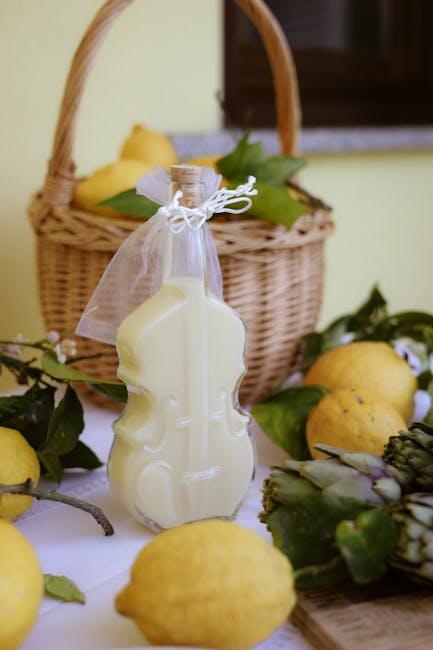
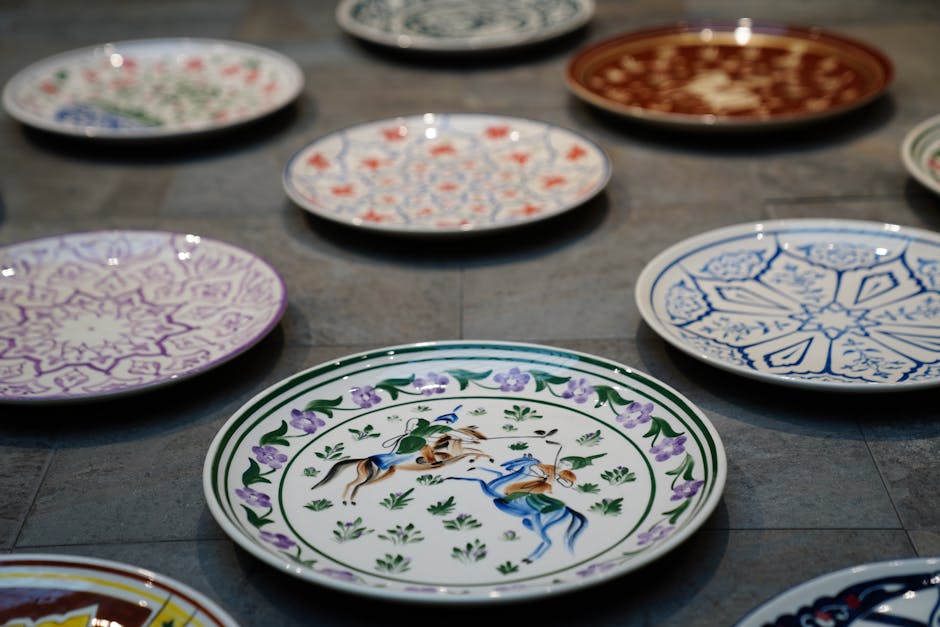
- Bottega Ceramica Vietri — Via Nazionale 45, 84019 Vietri sul Mare. Hours: 09:00–13:00 and 15:30–19:30 daily. Prices: small cups €15–25, decorative tiles €60–150. Description: hand-painted ceramic workshops. Tip: ask about secure packaging for export or have the shop ship items by courier.
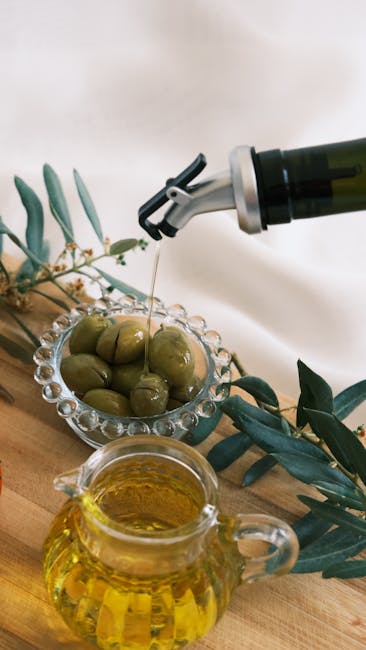
- Frantoio Oleario La Torre — Via Provinciale 12, 84010 Maiori. Hours: Thursday to Monday 09:00–13:00 and 15:00–18:00. Prices: extra virgin olive oil 500 ml €8–12. Description: artisanal oil mill, tastings by appointment. Tip: buy a dark-tinted bottle that protects the oil from light.
Tips for buying and transporting:
- Always ask for an itemized receipt (product name, origin, alcohol or oil percentage) to make any claims easier.
- For ceramics, prefer sending by courier from the shop rather than risking breakage in luggage. Vietri shops often offer this service for €10–25 depending on size.
- Food products (oil, cookies) should be hermetically sealed; in-cabin, respect liquid restrictions or buy duty-free at the airport for immediate export. Example price: artisan jams 250 g €6–10.
Local Experiences & Workshops: Learn, Taste and Create
To go beyond mere consumption, book workshops and experiences that let you understand the techniques and history behind local specialties. Participating in a limoncello tasting, a soap-making class or a pottery workshop turns a visit into a living, shareable memory.
Sample experiences:
- « Make Your Limoncello » Workshop — Antica Distilleria Amalfi. Duration: 90 minutes. Price: €35 per person (includes tour, workshop and a small 100 ml bottle). Reservation: phone +39 089 123456. Hours: workshops on Tuesdays and Thursdays at 11:00 and 16:00. Perks: you leave with your own batch and a technical sheet.
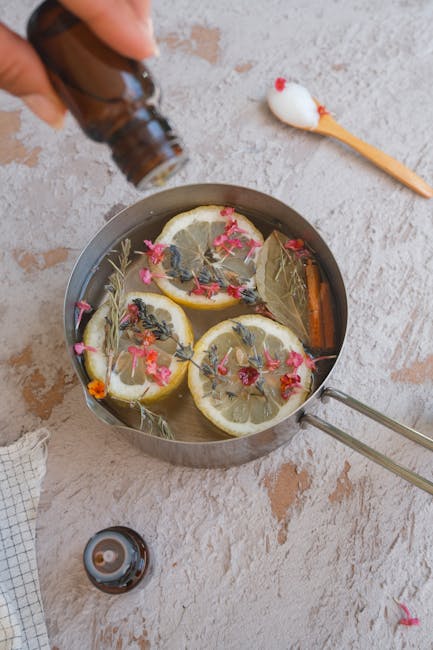
- Workshop « Cold Process Soap » — Officina dei Saponi, Amalfi. Duration: 2h. Price: €40 per person (materials included). Hours: Wednesday at 14:00. Reservation: through the workshop or on site. Tip: wear clothes you don’t mind getting splashed, as colors can stain.
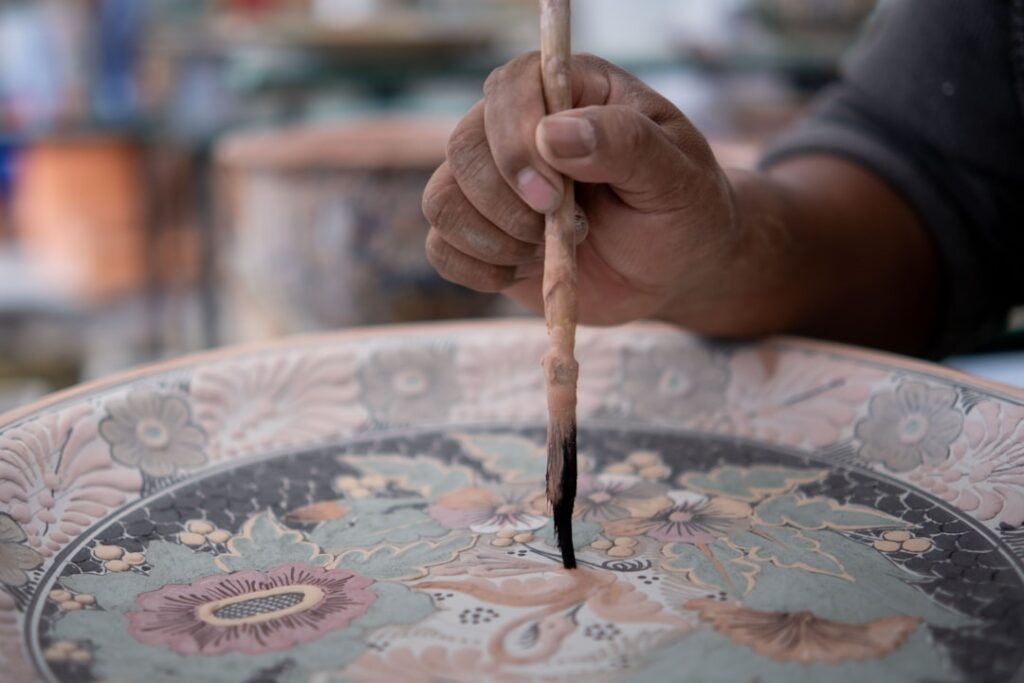
- Pottery class — Bottega Ceramica Vietri. Duration: half day. Price: €60–90 depending on the package (shaping + painting, firing included). Hours: scheduled, reserve 48h in advance. Tip: plan pickup or shipping of fired pieces (approximately one week).
Local tips for workshops:
- Book ahead in high season (July–August): many workshops have limited spots and fill up fast.
- Ask about the instructor’s language: many offer sessions in English, but check if you prefer Italian or another language.
- Leave time after the workshop to explore nearby sights: for example, after a ceramics class in Vietri, take a stroll on Marina di Vietri beach.
Practical Advice: Markets, Transport, Storage and Gifts
Before buying, a few practical rules will help you fully enjoy local specialties without unpleasant surprises. The Amalfi Coast markets are great places to find fresh products and local artisans: Minori’s market (via Roma) takes place Thursday mornings, and Maiori’s market is Saturday morning. These markets offer fruit, vegetables, preserves and sometimes craft stalls that let you compare prices and quality.
Transport and packaging:
- For bottles (limoncello, olive oil): use foam sleeves or bubble wrap and place them in the center of a suitcase surrounded by clothing. Shops often offer special packaging for €2–5.
- For ceramics: request professional shipping from the shop (fees €10–50 depending on size) or buy a hard protective box. Do not stack items in your suitcase without independent protection for each piece.
- Perishable items: consume quickly or check shelf life. Cookies and jams usually have a printed best-before date (e.g., « Da consumarsi preferibilmente entro » followed by a date). Price example: artisan jams 250 g €6–10.
Customs and taxes:
- If you’re traveling outside the European Union, check alcohol limits and food import rules. A 500 ml bottle of limoncello usually isn’t an issue for personal use but declare if necessary.
- Keep receipts to prove purchase and artisan origin in case of inspection.
Final local tips:
- Favor shopping off the most tourist-packed shops along the main road: you’ll often find better value and less industrialized products there.
- Ask to taste before you buy: most artisans allow limoncello or olive oil tastings.
- Practice a few basic Italian phrases (grazie, per favore, quanto costa?) — a smile and a local word often start conversations and sometimes score small discounts.
Key Takeaways
For a successful souvenir haul: artisan limoncello (100–500 ml, €8–30), natural soaps (€6–17), Vietri ceramics (€15 and up), extra virgin olive oil (€8–12 for 500 ml). Favor workshops and distilleries that welcome visitors, pack carefully and check opening days and hours to avoid locked doors in low season.
Conclusion: Taking Home the Essence of the Amalfi Coast
The Amalfi Coast is more than spectacular scenery: it’s a sensory territory where local products tell a story — of the lemon, the olive, the sea and artisan tradition. By choosing truly artisan limoncello, a cold-process soap or a hand-painted ceramic piece, you take home more than an object: you carry a piece of culture, craft and family memory. The addresses in this article let you turn tasting and buying into an authentic experience: a distillery visit, a hands-on workshop or a sweet stop at a local patisserie enrich your trip and encourage mindful consumption.
Think sustainably: favor local producers, ask about ingredient origins and seek eco-friendly packaging. These small actions support the communities preserving these traditions amid mass tourism. Above all, let your senses lead: the scent of a fresh soap, the sharpness of a well-balanced limoncello, the feel of a hand-shaped ceramic — these are the elements that make a stay on the Amalfi Coast truly unique.
If you’re planning your trip, take time to check seasonal opening hours (many workshops close in January–February) and book workshops in advance for peak season. And most importantly, enjoy sharing these discoveries: gifting a bottle of limoncello or a handmade soap is one of the best ways to pass on a sensory memory of the Amalfi Coast to loved ones.