





Introduction: Why hunt for authentic Amalfi ceramics?
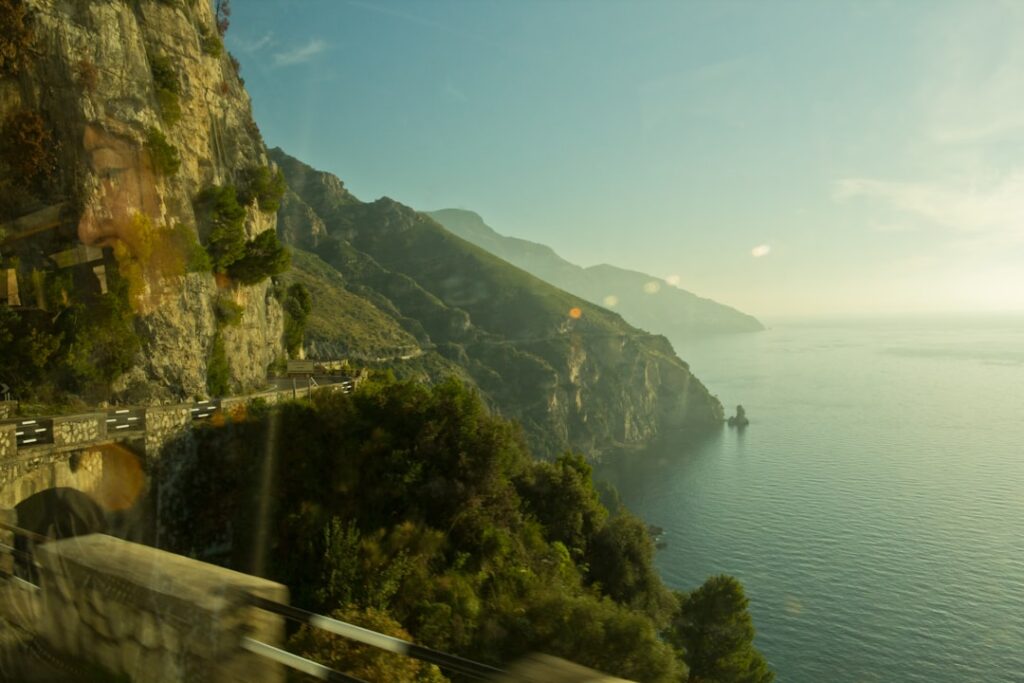
The Amalfi Coast conjures up white cliffs plunging into turquoise water, clifftop villages, overflowing lemon groves and — of course — a centuries-old ceramic tradition. « Amalfi ceramics » aren’t just souvenirs: they reflect regional craftsmanship, vivid pigments and motifs of lemons, fishing boats and reinterpreted Byzantine mosaics. Workshops and shops along the coast, especially in Vietri sul Mare, Amalfi, Ravello and Minori, keep alive techniques passed down from Arab potters and Neapolitan faience makers, from wood-fired kilns to glazes that historically used lead oxide (now replaced by modern, safer formulas).
For travelers, the quest for the “real” Amalfi ceramics raises two practical questions: where can you find genuinely handmade pieces from the coast, and how do you tell true artisan work from industrial tourist reproductions? Buying a hand-painted plate in Vietri sul Mare or a decorated amphora in Amalfi means bringing home a piece of local history. But it requires knowing the right addresses, spotting workshop marks, assessing glaze quality, asking about firing and glazing techniques, and planning packing and shipping so fragile pieces reach home intact.
In this guide I’ll steer you like a local: exact shop and studio addresses, typical opening hours, realistic price ranges, immersive descriptions and practical tips for buying, packing and declaring your purchases. Whether you’re a collector, an interior designer or a traveler after a genuine “made in Amalfi” plate, I’ll show you how to recognize artisan pieces — the uneven brushstroke, the signature under the glaze, small shape irregularities — and how to negotiate respectfully while supporting local makers.
I also suggest one-day routes to visit several spots from Amalfi or Positano, tips to hunt down bargains at seasonal markets and fairs, and transport recommendations: from classic bubble wrap to specialized shipping services that collect at your accommodation. By the end you’ll not only have a list of places to visit, but the know-how to bring home Amalfi ceramics that tell a story and stand the test of time.
Where to buy authentic Amalfi ceramics: historic shops and must-visit addresses
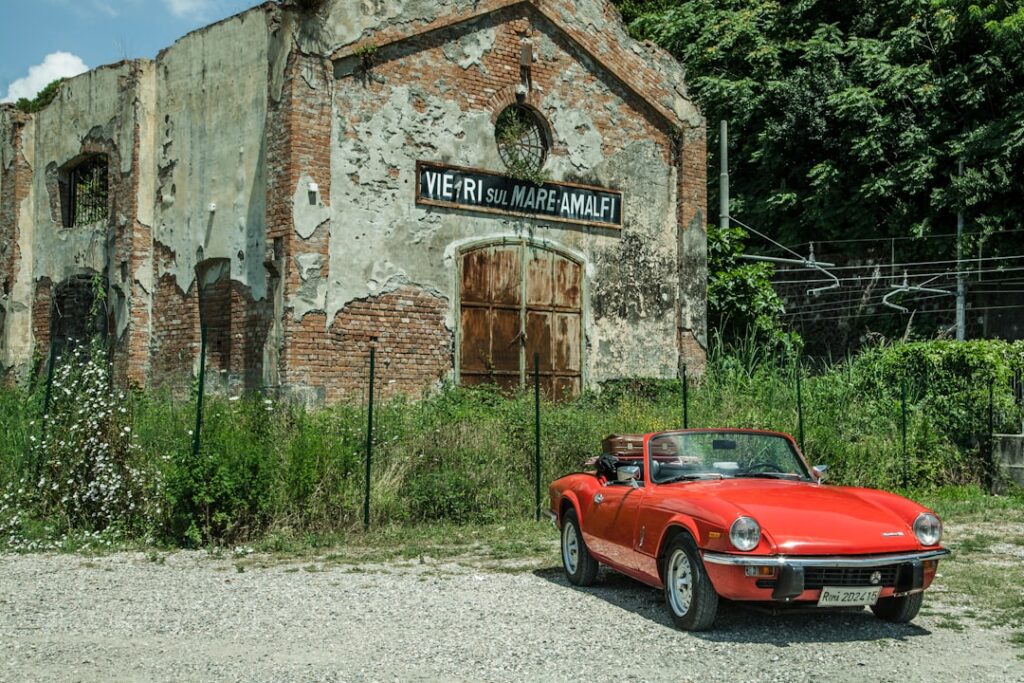
The town of Vietri sul Mare is widely regarded as the ceramic capital of the Amalfi Coast. Its streets are full of long-standing shops that have carried on family traditions for generations. Here are the addresses to know, with descriptions, typical hours and price ranges to help you plan.
Ceramiche Solimene – Museo della Ceramica
Address: Via Giovanni Amendola 10, 84019 Vietri sul Mare (SA).
Opening hours: Daily 09:00–19:00 (except local holidays; check during high season).
Indicative prices: small coasters and cups from €18–30, decorative plates €45–120, round serving dishes €90–350, wall panels and sculptural pieces €250–1,200 depending on size.
Immersive description: the Solimene workshop-museum (Museo della Ceramica) feels steeped in history: large workbenches, potter’s feet, color samples and photographic archives. You’ll see pieces signed by the Solimene family, translucent glazes and motifs typical of the Amalfi style (boats, floral patterns and cobalt-blue borders). Staff often take time to explain the technique and sometimes offer live demonstrations.
Ceramiche Casola
Address: Via Nazionale 100, 84019 Vietri sul Mare (SA).
Opening hours: 09:30–13:00 / 15:30–19:30, closed Mondays off-season (hours may vary in summer).
Indicative prices: cups €15–25, full dinner services €300–900 (custom hand-painted sets), ceramic lamps €150–450.
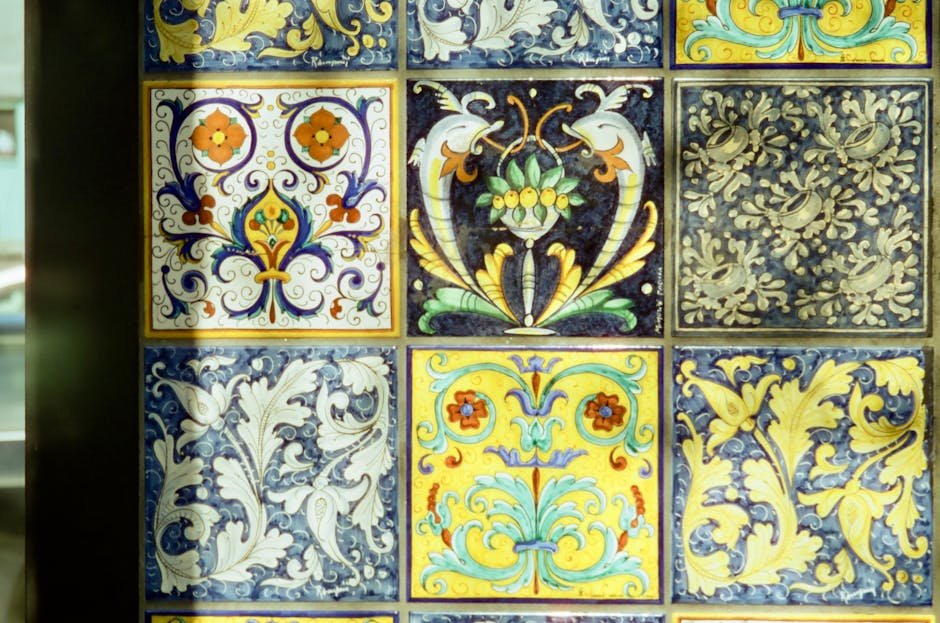
Immersive description: a family-run shop known for hand-painted dinner services and colorful ceramic lighting. The shopfront displays large glazed wall plates, and inside you can inspect the underside of pieces to find the workshop mark. Artisans sometimes take custom orders: motifs, initials, color choices and formats. If you buy a full set (eg. 12-place service), ask for a discount and check production lead times.
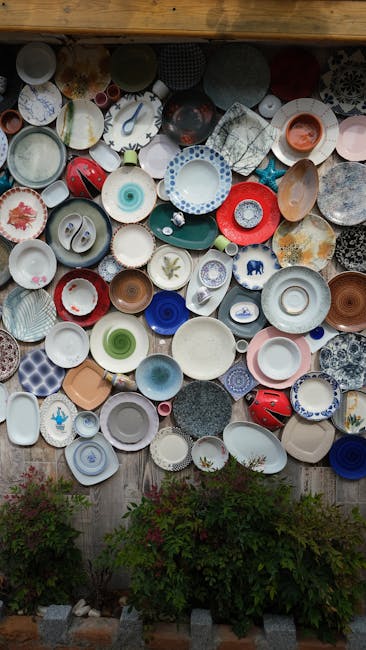
La Bottega di Amalfi – Amalfi Town
Address: Via Lorenzo D’Amalfi 22, 84011 Amalfi (SA).
Opening hours: 10:00–13:30 / 16:00–20:00 (longer hours in summer).
Indicative prices: magnets and small souvenirs €6–12, wall plates €60–180, decorative jars €120–600.
Immersive description: tucked into the maze of alleys near the cathedral (Duomo di Sant’Andrea), La Bottega di Amalfi showcases pieces by local artisans and exclusive collaborations. Staff can often tell you the exact origin (which workshop and which potter) and can issue certificates of authenticity upon request. It’s a great place to buy something ready to take home, with professional packing available if needed.
Ceramiche d’Arte Carmela – Ravello
Address: Via Roma 13, 84010 Ravello (SA).
Opening hours: 09:30–13:00 / 15:30–19:00 (open daily in high season).
Indicative prices: espresso cups €12–25, painted vases €80–400, tile panels and artworks €180–900.
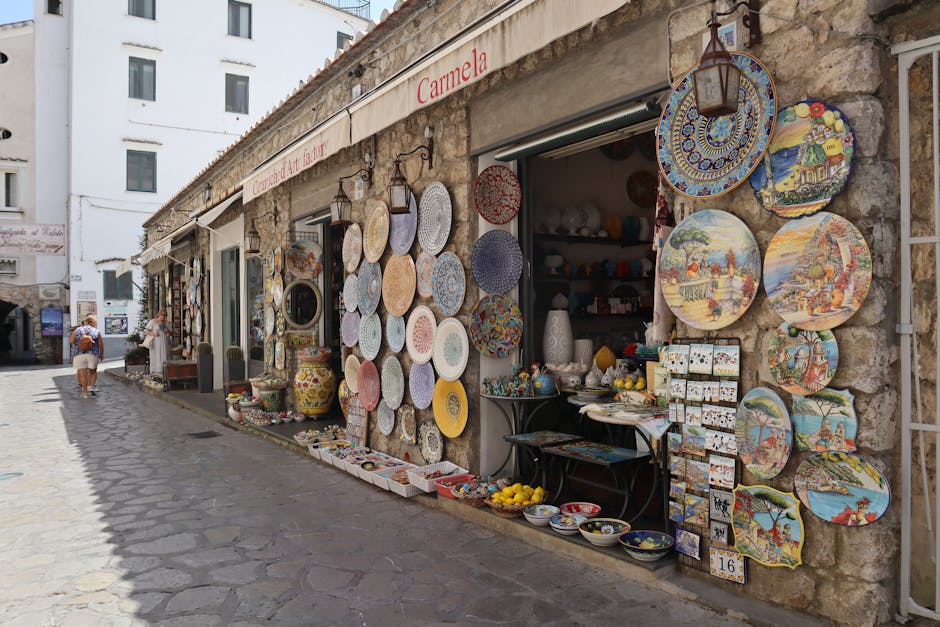
Immersive description: in Ravello the vibe is more artistic and less touristy; Carmela displays unique pieces and small series inspired by the gardens of Villa Rufolo and Villa Cimbrone. The shop often shows prototypes and discusses the natural pigments used to achieve the specific blues and yellows of the coast. For interior designers, appointment-only sessions let you choose tile assemblies for backsplashes or tabletops.
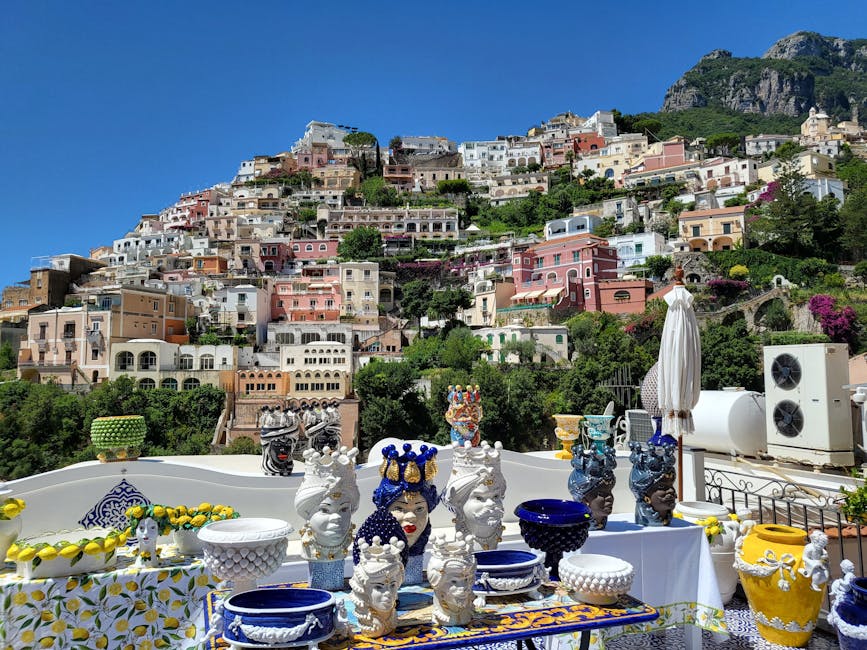
Workshops and factories to visit: get hands-on with the craft
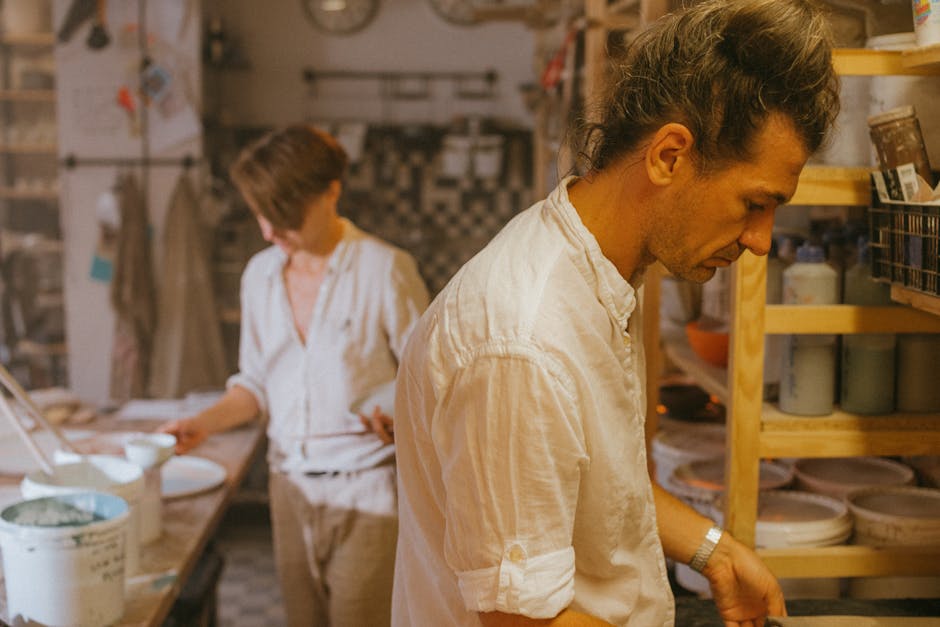
Visiting a workshop turns a purchase into an experience: understanding firing, clay preparation, glazing and that final brushstroke makes the value of a piece obvious. Here are workshops that welcome visitors, often with demonstrations and sometimes hands-on sessions where you can paint a small item yourself.
Officina Ceramica Mitzi – Vietri sul Mare (visit the workshop)
Address: Via dei Pignati 6, 84019 Vietri sul Mare (SA).
Opening hours: Guided visits by appointment, typically 10:00–12:00 and 15:00–17:00 (call ahead recommended).
Visit fee: short tours €8–12 per person, painting workshops €25–50 per person (depending on the piece).
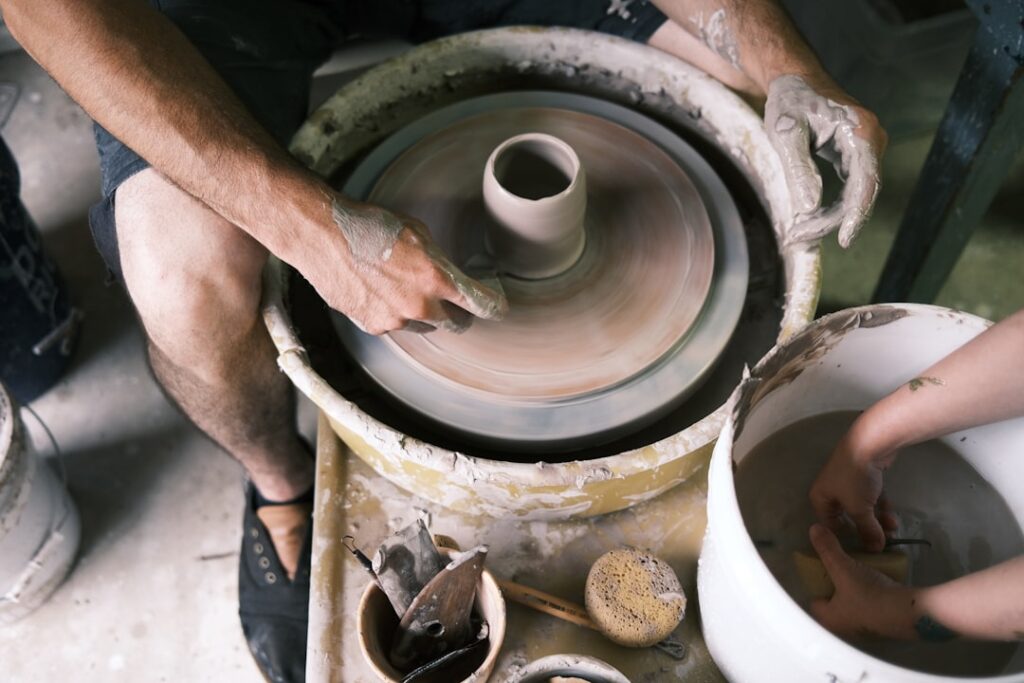
Immersive description: Mitzi is a small family workshop where you’ll see a potter’s wheel, shelves of pieces awaiting firing and large electric and gas kilns. Artisans explain the difference between biscuit (unglazed bisque) and the final glaze, show pigments and demonstrate how an extra glaze layer can enhance a color. Intro workshops are perfect for families: you often leave with your own cup after a basic firing (or the workshop can fully fire and return it later if more time is needed).
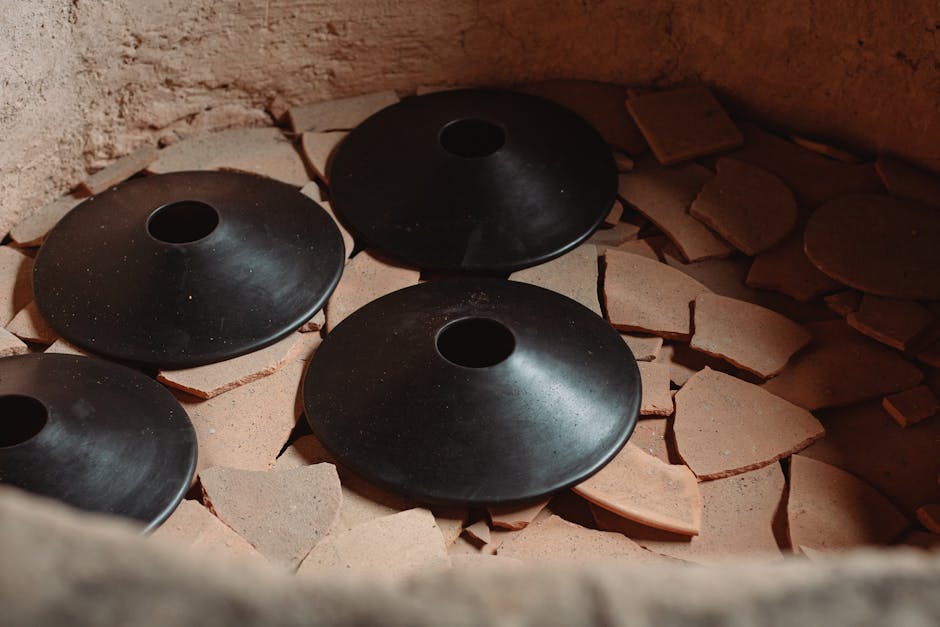
Antica Fornace D’Agostino – Traditional firing workshop
Address: Via Provinciale 231, 84011 Amalfi (SA).
Opening hours: visits by appointment, seasonal demonstrations (check website or tourist info).
Prices: demo visits €10–20, artisan pieces €40–600 depending on size and complexity.
Immersive description: this old furnace (fornace) is a living testimony to traditional firing techniques. If you’re lucky you may witness a slow firing in a restored kiln. The place smells of earth and smoke, and artisans share family stories tied to each piece. Items here often command higher prices due to the firing method and the heritage value of the forms.
Atelier Cooperativa Vietri – affordable quality
Address: Via Antica Camino 45, 84019 Vietri sul Mare (SA).
Opening hours: 09:00–13:00 / 15:30–19:30, closed Wednesdays off-season.
Indicative prices: coaster sets €25–60, painted plates €40–150, vases €60–350.
Immersive description: the cooperative brings together several artisans who share space and display areas. It’s a great spot to find high quality without the premium of big-name brands. Pieces often carry a small tag indicating the workshop and the hands involved. Cooperatives also facilitate grouped exports: ask for a quote for shipping within Europe or internationally.
Markets, fairs and bargains: where to hunt for pieces to take home
Beyond permanent shops and workshops, the Amalfi Coast hosts local markets, craft fairs and seasonal sales where you can find excellent deals — sometimes slightly imperfect pieces at reduced prices. Here’s where to go, when to go and how to negotiate without offending the makers.
Amalfi weekly market
Location: Piazza Flavio Gioia, 84011 Amalfi (SA) (central square, stalls run along the waterfront).
Hours: usually Thursday morning 08:00–13:00, seasonal (check with the Amalfi tourist office).
Indicative prices: artisan pieces on stalls €10–150 (depending on size and origin).
Immersive description: Amalfi’s morning market is lively: produce stands, olive oil vendors, displays of tourist ceramics and occasionally stalls run by local artisans. Here you can spot signed pieces by small workshops that don’t have permanent shops. Tip: arrive early to get the best selection and negotiate before crowds arrive. If you buy multiple items from the same stall, offer a bundled price — sellers often accept a respectful group discount.
Fiera della Ceramica – seasonal fairs in Vietri sul Mare
Location: Via Nazionale / Piazza Matteotti, 84019 Vietri sul Mare (SA).
Period: special events and craft fairs between May and October (dates vary each year).
Prices: wide range, from small items at €10 to designer pieces over €1,000.
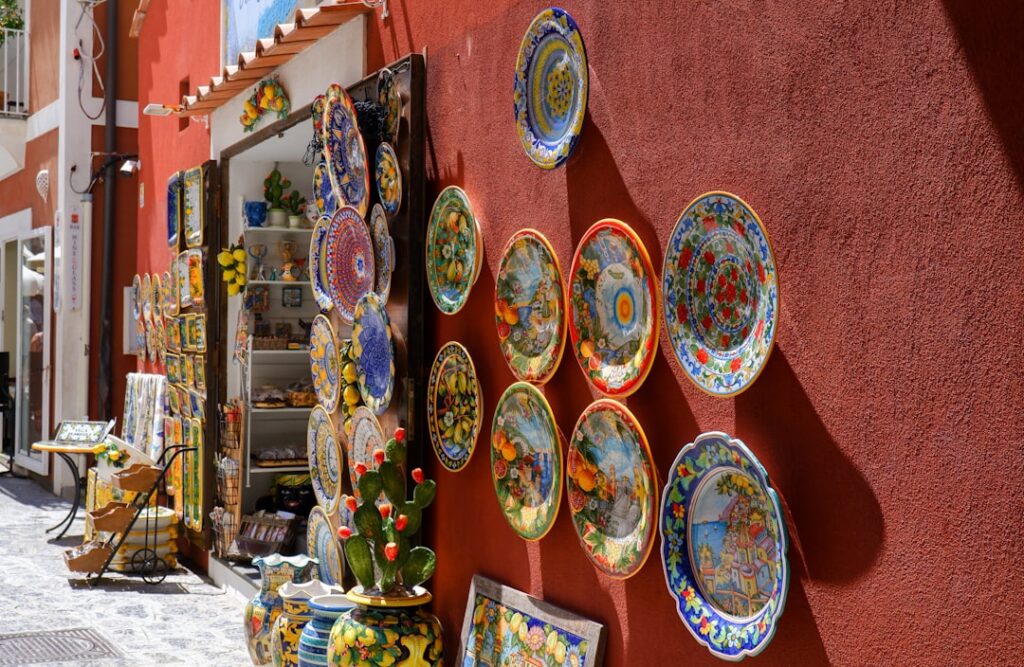
Immersive description: fairs bring potters from across Campania together. It’s a great chance to compare styles and prices and to watch public demonstrations. Organizers often hand out a booklet listing participating artisans; keep one so you can track down those you like later in their shops or place an order.
Flea markets and antique shops — Minori and Maiori
Addresses: Lungomare Regina Margherita, 84010 Minori (SA) and Via Nuova Provinciale, 84010 Maiori (SA).
Hours: occasional markets and shops with variable hours (often 10:00–19:00 in season).
Prices: vintage or second-hand pieces €40–800 depending on condition and rarity.
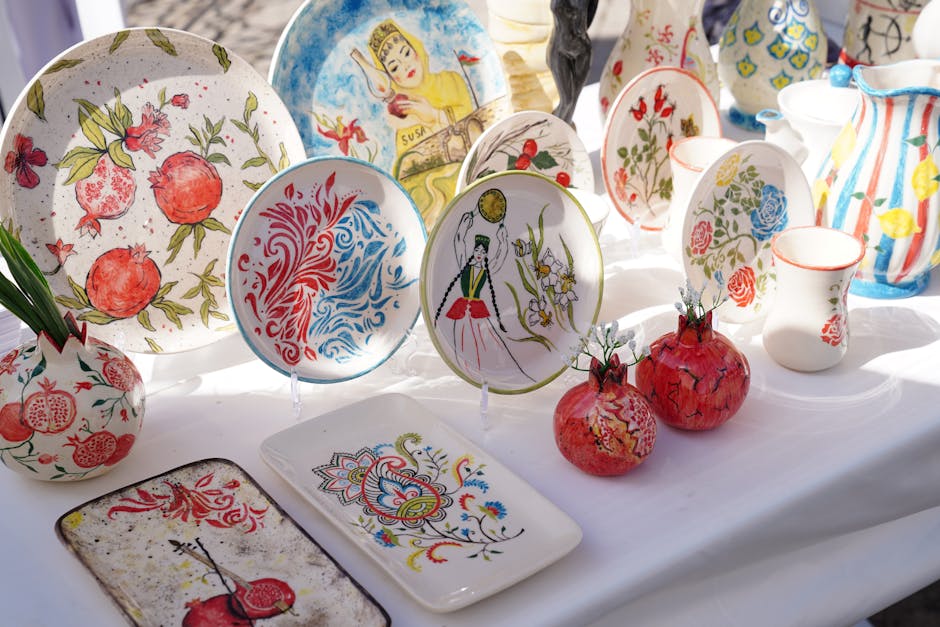
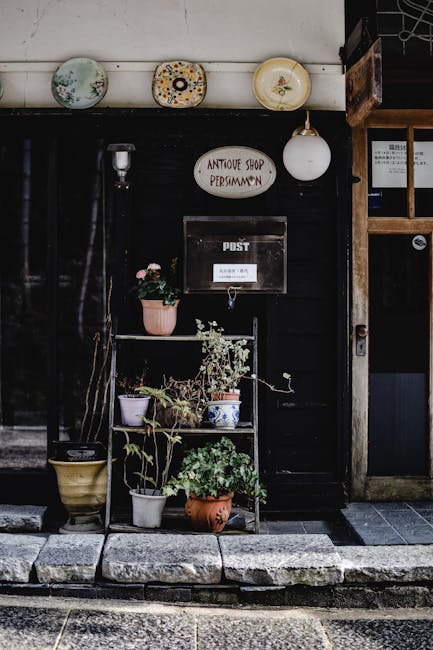
Immersive description: if you love patina and authenticity, rummaging through antique shops and flea markets can turn up real gems: old plates, tile fragments, glazed jars. Watch the condition closely: ask to see the underside, check crazing (fine glaze cracks called “crazing” can be aesthetic but weaken the piece) and negotiate based on any restoration needed.
Practical tips: choosing, packing, negotiating and shipping with confidence
Buying ceramics on the Amalfi Coast is rewarding but comes with logistical realities. Here are concrete tips to shop smart and bring your pieces home intact.
How to recognize an authentic piece
- Signature and mark: look for the workshop signature or stamp on the underside. Family workshops often sign the base with a brush.
- Check the reverse: an unglazed base, the potter’s wheel mark and the texture of the clay are signs of handmade production.
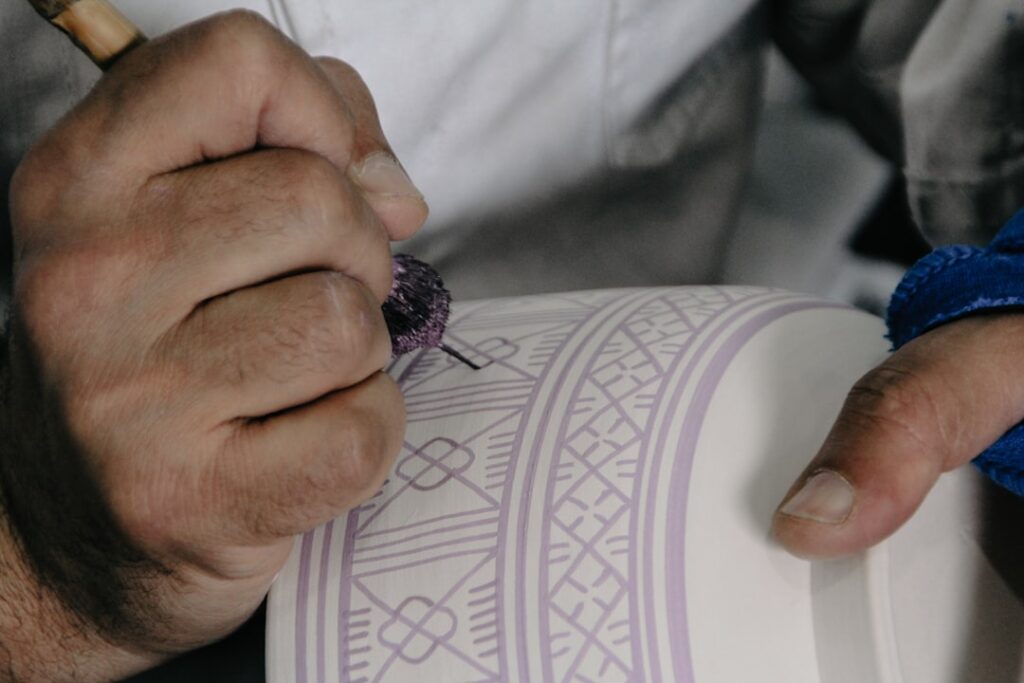
- Colors and brushstrokes: a hand-painted motif shows small variations; industrial reproductions display perfectly repeated patterns and razor-sharp edges.
- Weight and sturdiness: a well-made artisan piece has a certain weight and even thickness; hold it close to your ear and give it a gentle shake — avoid items that sound excessively hollow.
- Ask the story: question the seller about the firing technique (electric kiln, gas kiln, wood-fired) and the glaze type. A detailed answer often signals authenticity.
On-site packing and shipping services
- Professional packing: ask the shop for professional packing (bubble wrap, reinforced boxes, foam). Many stores offer paid packing: expect €8–25 depending on size and level of care.
- Local shipping: some shops or workshops arrange international shipping via couriers (Bartolini, DHL, FedEx). Indicative cost: €60–250 depending on weight and destination within or outside Europe.
- Insurance: opt for insured shipping — an extra cost but essential for valuable items. Check the deductible and the claims procedure.
- Hand-carry: for smaller items (plates, cups), consider carrying them in your cabin on flights; be mindful of airline rules for fragile items and carry-on limits.
Negotiation tips and ethical behavior
- Show genuine interest in the technique and the object’s story before discussing price: complimenting the work often makes negotiation smoother.
- When buying several items, politely propose a single price for the lot — artisans are more likely to accept discounts on bundles than on single pieces.
- Avoid overly aggressive offers: an artisan’s margin is often slim after material costs and time spent.
- Always ask if the shop can provide an invoice or receipt indicating the workshop origin: useful for insurance and customs.

Conclusion: bring home a piece of Amalfi, not just a souvenir
Buying authentic Amalfi ceramics is more than acquiring a decorative object: it’s preserving a bit of culture, supporting artisan families and extending the memory of a place. By visiting Vietri sul Mare workshops, finding a unique piece in Ravello or negotiating respectfully at Amalfi’s market, you help sustain a craft passed down through generations. The addresses listed — Ceramiche Solimene, Ceramiche Casola, La Bottega di Amalfi, Ceramiche d’Arte Carmela, Officina Ceramica Mitzi and Antica Fornace D’Agostino — offer a range of experiences: from educational museum-workshops to heritage kilns, cooperative studios and small family ateliers.
Before you leave, remember a few simple rules: check for signatures and the base of pieces, ask for professional packing and insured shipping for bulky items, and take the time to listen to the artisan’s story. The price ranges shown will help you spot good deals and avoid overpaying for mass-produced items made outside the region.
Finally, be curious and patient: authenticity often lies off the main tourist routes. Wander the lanes of Vietri sul Mare, climb up to the workshops of Ravello, and stop by the small potters along the Amalfi shoreline. By respecting the artisans and their methods and planning for proper packing and transport, you’ll bring home not just a beautiful plate or vase but a lasting memento — a piece that recalls the light, the colors and the convivial spirit of the Amalfi Coast every time you look at it.
Safe travels and happy shopping: may your next table at home shine with Southern Italian colors and recall the hands that shaped it.