





Introduction : Secrets enfouis des ateliers — céramique artisanale de la Côte amalfitaine
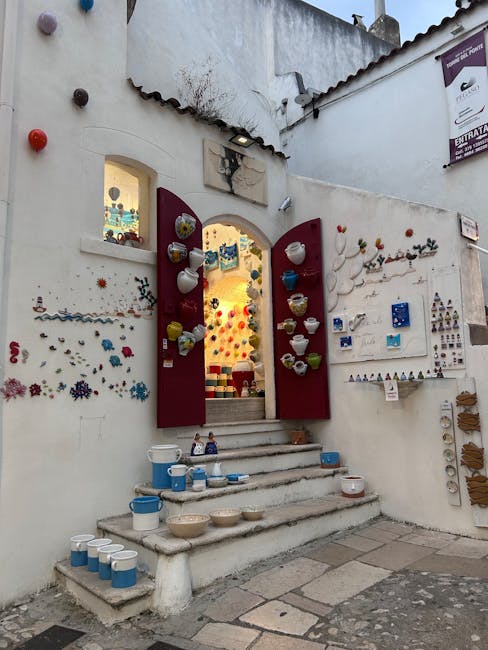
The Amalfi Coast, with its steep cliffs plunging into an azure sea and pastel villages clinging to the rock, offers more than just postcard views and limoncello on a sunny terrace. It’s also home to a centuries-old craft: Vietri ceramics. From Vietri sul Mare to the colorful lanes of Amalfi and Ravello, workshops preserve techniques, colors and forms that tell the social, religious and commercial history of this narrow strip of land between sea and stone. This artistic terroir—often missed by travelers in a hurry—deserves time and attention to understand how plates, pitchers, decorative majolica panels and glazed tiles are made, pieces that adorn facades and interiors across Italy and beyond.
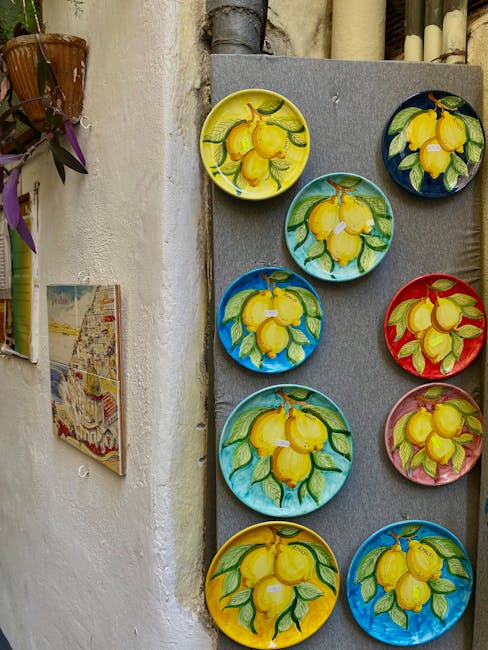
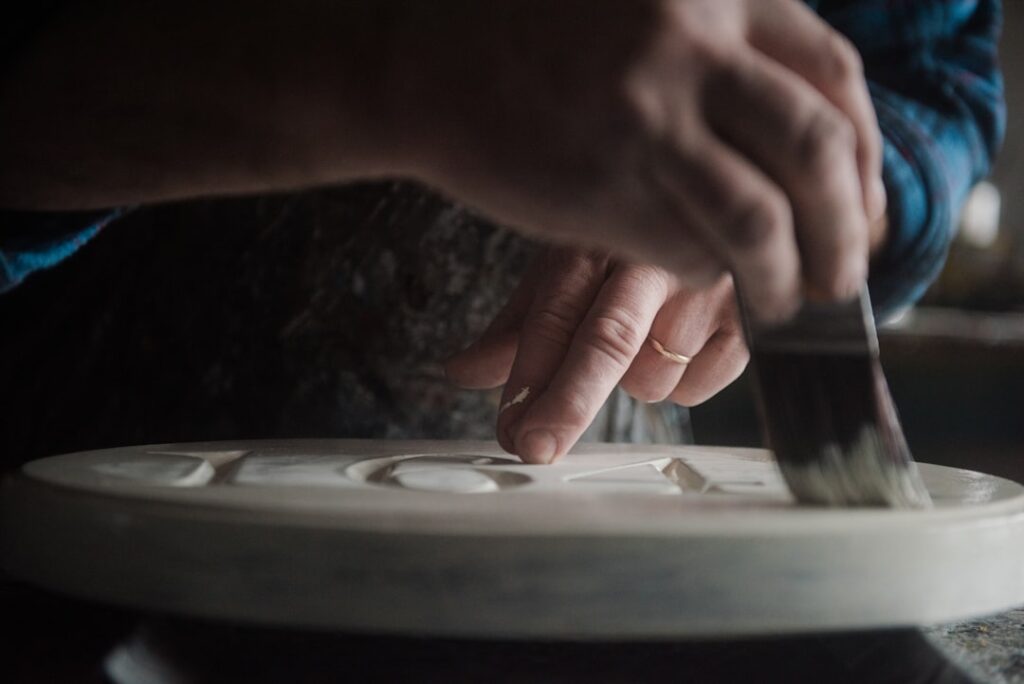
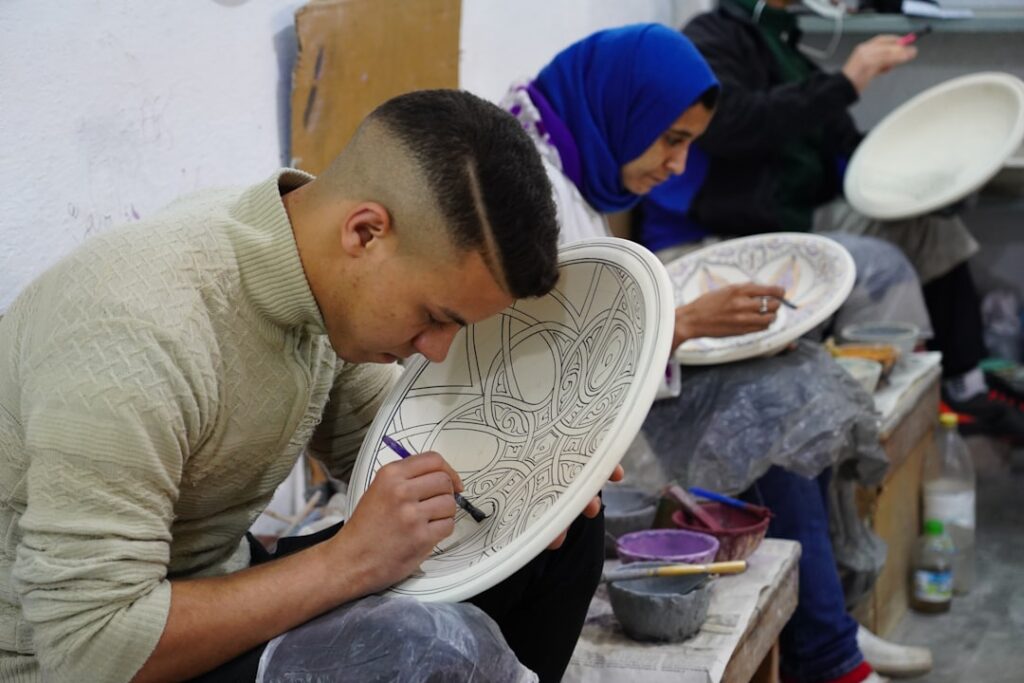
Exploring these studios means stepping into a place where gesture matters as much as design: expert hands knead the clay, wheels turn slowly, and colored slips are brushed on in traditional patterns—fish, vine leaves, baroque arabesques and Moorish heads. Each piece carries the stamp of its landscape: deep blues that recall the sea, greens and yellows that evoke lemons and Mediterranean foliage, highlights in gold or saffron-yellow harking back to older techniques. Behind the beauty you’ll find family-run ateliers, kilns, raw material suppliers and sometimes schools where the know-how is passed down.
This guide lifts the veil on those workshop secrets: where to go, who to meet, which techniques to watch for, how much hands-on sessions cost, and how to bring your treasures home safely. I’ll point you to specific spots—shop and studio names, street addresses, opening hours and rough prices—while offering practical tips on chatting with artisans, bargaining without offending, and spotting a genuinely local piece versus a mass-produced item. Whether you’re a collector, architect, blogger or curious traveler, this guide will give you the keys to turn a tourist visit into a true sensory and human immersion. Ready to wander into the world of clay, fire and pigments along the Amalfi Coast?
Historic workshops in Vietri sul Mare: addresses, history and visits
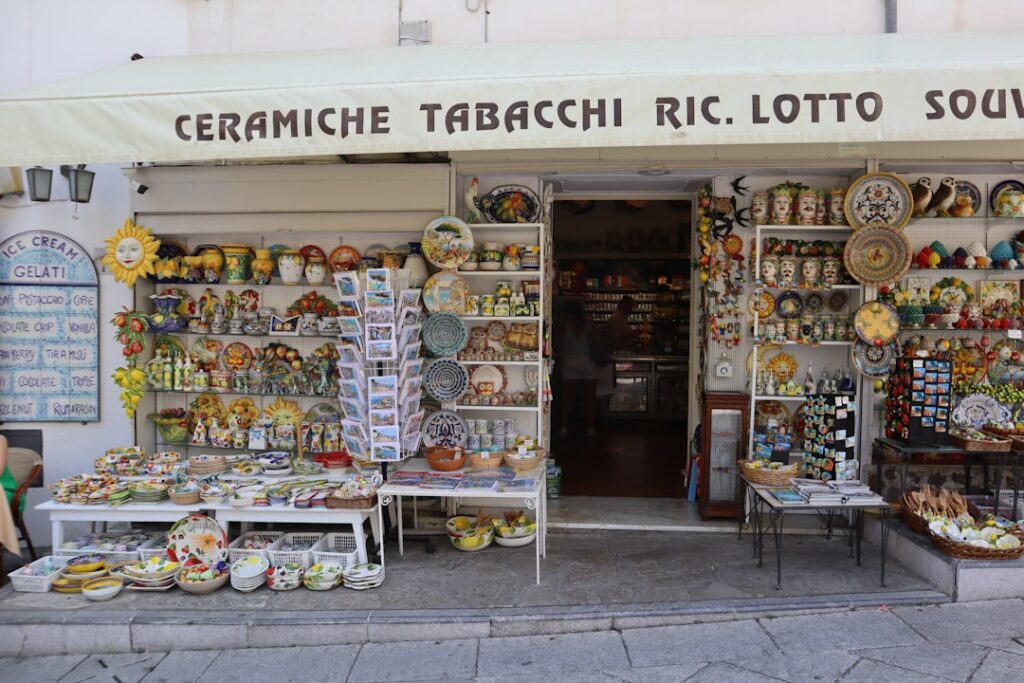
Vietri sul Mare is often considered the ceramic capital of the Amalfi Coast. Wander its narrow streets and you’ll find a cluster of workshops and shops whose facades are decorated with colorful majolica. Not-to-miss addresses include Ceramiche Artistica Vietrese (Via Roma 23, 84019 Vietri sul Mare SA), open Tuesday through Sunday from 10:00 to 19:00; free self-guided visits, workshops by appointment starting at €25 per person for a 1.5-hour introductory class. Founded in the early 20th century, this house keeps old molds and displays historic wall panels that trace the evolution of Vietri designs.
Another well-known site is the Solimene Ceramic Factory (Forno Solimene), commonly listed as « Forno Solimene – Via Nazionale, 122, 84019 Raito (Vietri sul Mare). » These traditional kilns (check the exact location on arrival as some workshops are in nearby hamlets like Raito) offer guided tours of the kiln and firing demos. Tours usually last 45 minutes to an hour and cost between €8 and €15 per person; they often include a small glazing demonstration and a guided walk through the company’s small museum when it’s open.
The Museo Della Ceramica Vietrese (the civic ceramic museum) is a must for anyone wanting to place the craft in historical context: often listed at Via Amendola 2, 84019 Vietri sul Mare (check seasonal hours); entrance typically runs €3–€6 depending on temporary exhibits. The museum houses old pieces, archives and molds, and acts as a bridge between tradition and contemporary creation.
Finally, small family shops like Ceramiche D’Agostino (Via Mazzini 45, 84019 Vietri sul Mare) offer an intimate experience: try asking to see the workshop at the back of the shop, often accessible on the ground floor. Artisans are usually happy to open their doors to visitors who ask politely and sometimes will offer a short express class (€20–€35 depending on group size and duration). In high season (May–September) it’s wise to book ahead; workshops get busy and may stay open later for local events.
 Click here to join a majolica decorating workshop
Meeting the master potters: profiles, addresses and visiting hours
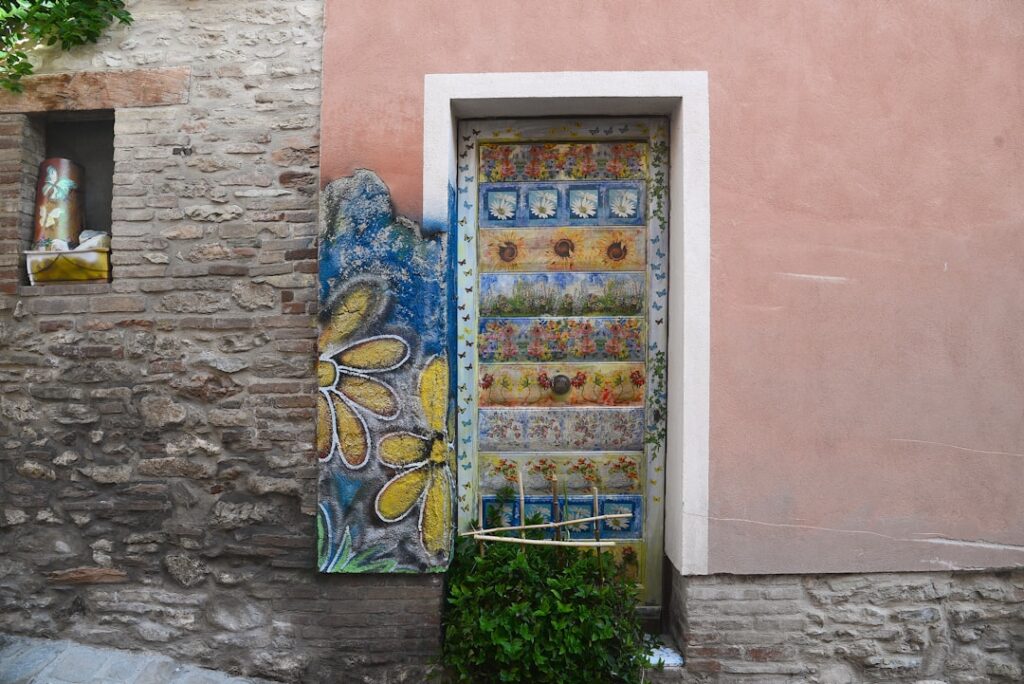
Meeting a master potter on the Amalfi Coast adds a human dimension to the object. Many of the names you’ll encounter are family-run operations spanning generations. For example, the D’Agostino family is often mentioned in local guides; their atelier-shop Ceramiche D’Agostino (Via Mazzini 45, 84019 Vietri sul Mare) typically opens from 9:30 to 13:30 and 16:30 to 20:30, closed Monday mornings—hours that can shift in low season. The key to a face-to-face meeting is politeness and genuine interest: explain your project (gift, restoration, bespoke order) and suggest a time slot.
Another name to remember is Atelier Caputo (Via San Francesco 12, 84010 Amalfi), where both restoration and contemporary work inspired by traditional motifs are practiced. Visits are usually by appointment, preferably early afternoon. Private lessons can cost €40–€90 depending on duration (2-hour workshops up to half-day) and include clay and slips; firings may be charged separately if the piece is fired in the studio kiln.
In some Ravello and Scala workshops—like Ceramiche Ravello (Via Roma 8, 84010 Ravello)—masters offer demonstration sessions where you can watch throwing, trimming and the application of color. Typical hours: 10:00–13:00 and 16:00–19:00, often closed on Wednesdays. Demonstration entry fees vary: some studios charge €5 to cover materials and staffing, while others offer it free if you purchase an item.
Practical tip: if you want a custom piece (for example a numbered plaque for your house or a large mural), expect a production time of 4 to 12 weeks depending on complexity and season. Custom orders usually require a deposit of 30–50% when you place the order. If you’re French, learn a few Italian phrases or bring a printed note in Italian explaining what you want—this helps communication and shows respect for the local craft.
Techniques and materials: production steps and useful vocabulary
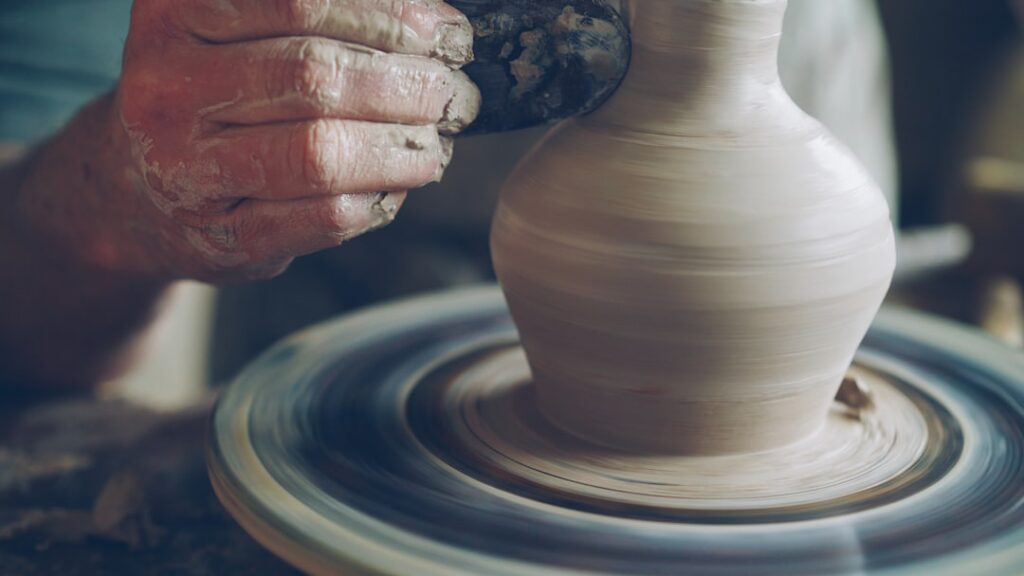
Understanding Vietri ceramics starts with the main production stages: clay preparation, throwing or molding, drying, first firing (biscuit), decoration (slip, glaze, lustre) and second firing. Local clay, often blended with other clays to improve plasticity, is filtered and kneaded before being put on the wheel. Throwing remains a classic technique for plates and pitchers; modeling and press-molding are used for decorative heads, panels and wall tiles.
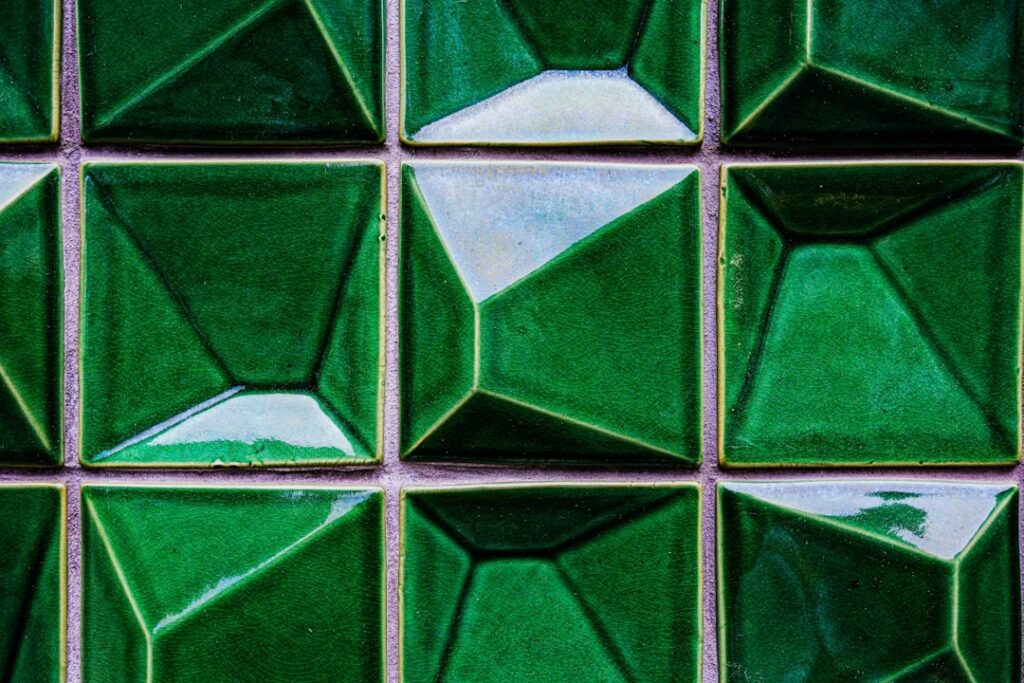
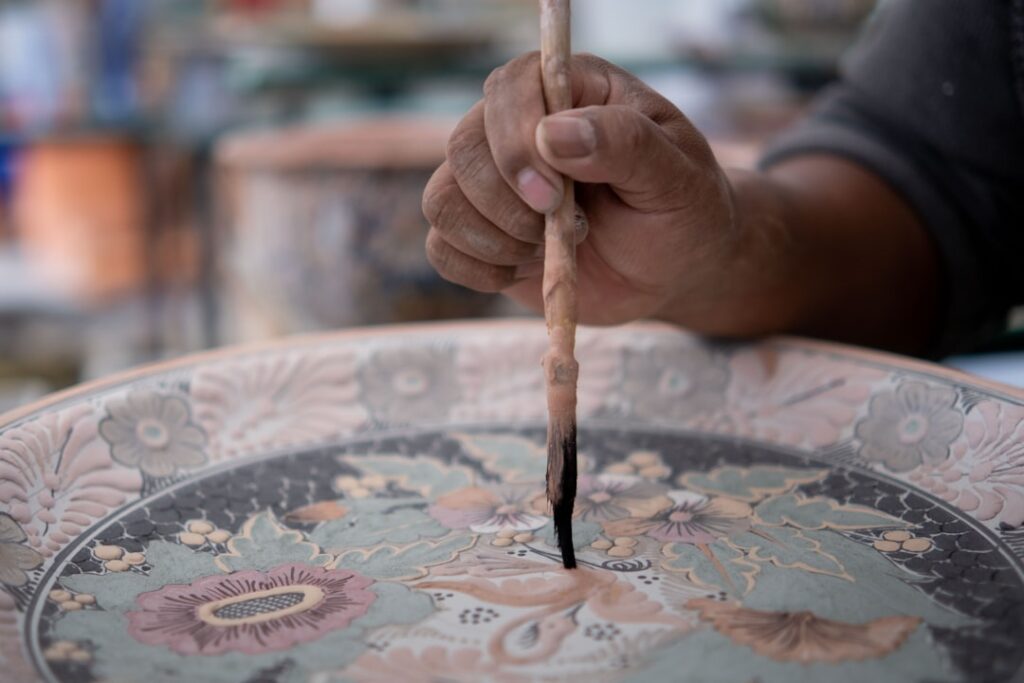
Slips—layers of colored liquid clay—are the foundation of the design; they allow solid color areas before a transparent or colored glaze is applied. Lustre is a delicate metallic finish that gives an iridescent, sometimes golden sheen to edges: it requires controlled firing in a special kiln. On the Amalfi Coast, traditional palettes include deep blue, olive green, lemon yellow and cochineal red; these colors are achieved with metal oxides and specific glazes.
Kilns can be gas, electric or wood-fired. Wood-fired kilns, still used for some traditional firings, create smoke effects and unpredictable hues that certain artists prize for authenticity. Firing is the most critical phase—a temperature error can crack a piece. Artisans know the « thermal morphology » of their kiln: gradual heating, soak plateau, controlled cooling—useful terms to remember when you watch a demonstration.
To talk with a potter, a few Italian keywords will help: « argilla » (clay), « torno » (wheel), « cottura » (firing), « smalto » (glaze), « ingobbio » (slip), « lustro » (lustre). If you take a class, ask to see gloves, tools and a safety sheet (clay dust, chemical handling). Children are welcome in many workshops but must be closely supervised. And always ask whether a piece is food-safe before using it for eating: « adatto al contatto con alimenti? » to check that the glaze is safe.
Visiting workshops: routes, exact addresses, hours and practical costs
Planning your visits saves time and helps you enjoy demonstrations to the fullest. Here’s a suggested one-day route along the coast: start in Vietri sul Mare (morning), grab a coffee and visit Ceramiche Artistica Vietrese (Via Roma 23, 84019 Vietri sul Mare SA; hours 10:00–19:00, closed Monday morning, discovery workshops from €25), then drive to Amalfi for the afternoon and stop by Atelier Caputo (Via San Francesco 12, 84010 Amalfi; visits by appointment, private workshops €40–€90). Finish in Ravello for a quieter visit at Ceramiche Ravello (Via Roma 8, 84010 Ravello; hours 10:00–13:00 and 16:00–19:00, closed Wednesday).
Typical addresses and hours (check them before you go, as they vary with the season):
- Ceramiche Artistica Vietrese — Via Roma 23, 84019 Vietri sul Mare (SA). Hours: 10:00–19:00, closed Monday morning. Intro workshop: €25 / person.
- Forno Solimene (historic kiln) — Via Nazionale 122, locality Raito / Vietri sul Mare. Guided tour hours: 11:00–12:00 and 16:00–17:00 (seasonal). Tour price: €8–€15.
- Ceramiche D’Agostino — Via Mazzini 45, 84019 Vietri sul Mare. Shop hours: 9:30–13:30 and 16:30–20:30. Express workshop: €20–€35.
- Atelier Caputo — Via San Francesco 12, 84010 Amalfi. Visits by appointment, private courses €40–€90.
- Ceramiche Ravello — Via Roma 8, 84010 Ravello. Hours: 10:00–13:00, 16:00–19:00. Demonstration: €5 or free with purchase.
Indicative purchase prices: a medium decorative plate usually costs between €20 and €60 depending on the workshop and complexity of the decoration; a hand-painted wall plaque or platter can range from €80 to €400; a large commission or mural often starts around €500 and rises with size and finish. For international delivery, expect extra fees (professional packing €15–€50, shipping by weight and destination). Many workshops offer custom packing from around €10 for Italy and €25–€70 for international shipments.
Practical tips: arrive early to avoid crowds; call or email to reserve a demo; bring some cash for small purchases; always ask for an official receipt (« ricevuta fiscale ») if you plan to claim VAT refund (export); and check whether the workshop can post items for you if you’re traveling light.
Buying and bringing ceramics home without breakage: packing, customs and travel tips
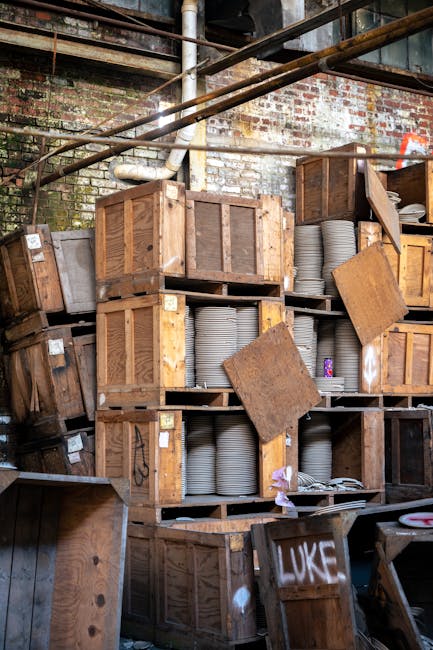
Bringing ceramics home from the Amalfi Coast takes some planning if you want to avoid mishaps. First rule: fragile pieces need professional packing. Many workshops offer bubble-wrap packing and wooden crates. Typical cost: €10–€50 depending on size; standard crates for plates and small bowls usually cost €10–€20. For larger pieces (vases or plaques) the cost can reach €60–€120 for secure packing.
If you prefer to do it yourself, equip yourself with bubble wrap, sturdy boxes, wide tape, kraft paper and cardboard dividers. Wrap each piece individually, fill gaps with crumpled paper and clearly mark the boxes « Fragile. » Check your airline’s weight limits; often it’s cheaper to add a checked bag than to ship via express courier.
Shipping: FedEx, UPS, TNT and Poste Italiane serve the region. One advantage of shipping from a workshop is that some studios negotiate rates or prepare export paperwork. Within the EU there are no customs formalities; outside the EU, check import duties and make sure you have a detailed invoice. If the piece is antique, request a certificate of authenticity—some countries restrict import of cultural heritage items.
Negotiating tips: show genuine interest without rushing. Artisans value politeness; an offer that’s too low can offend. If you buy several items, ask for a small discount or free shipping. For restorations, always request a written estimate with a clear deadline. And if you plan to resell outside the EU, keep invoices and authenticity certificates—they make resale and origin verification much easier.
Hands-on experiences: participatory workshops, classes and local markets
Joining a hands-on workshop is one of the best ways to understand an object’s value. Many studios offer ceramic experiences: 1.5-hour to half-day sessions where you throw a small piece, decorate it and have it fired (the firing delivered later). Common prices: €25–€70 depending on duration and whether firing is included. A few studios run multi-day intensive courses (€200–€600) for those wanting to go deeper.
Local markets (especially the artisan markets in Vietri sul Mare and Amalfi) are great places to meet several makers in one spot. Vietri’s craft market (locations vary, often on Via Roma or Piazza Matteotti during fairs) runs frequently in summer; you’ll find small items from €5 and more elaborate pieces for €50–€200. In Amalfi, Piazza Duomo sometimes hosts temporary artisan exhibitions where you can buy directly from makers.
If you have the time, sign up for a restoration class: learning how to glue or stabilize a broken piece gives you a new appreciation for the work and can save you repair costs later. Several workshops also offer evening visits during festivals (for example the Festa della Ceramica) where lighting highlights glazes and lustres, creating a nearly magical atmosphere. These events are often free but some studios charge for guided tours (€5–€10).
Click here to book a pottery class experience in Positano
Conclusion : pourquoi la céramique de la côte amalfitaine mérite votre détour
Handmade ceramics from the Amalfi Coast are not mere tourist trinkets: they’re the product of a place, a history and a dialogue between sea, light and craft. Visiting studios, meeting master potters, watching a firing or taking a workshop offers an intimate understanding of how these pieces are born. They tell stories of Mediterranean exchange, of barbarian and Moorish influences, and of the ongoing adaptation of forms to modern uses.
Practically speaking, bringing a piece home takes some organisation: research prices and hours, book workshops, plan for packing or shipping. Those little efforts are richly rewarded when you place a hand-painted plate, wall plaque or vase in your home that carries the color of a Positano sunset or the bright yellow of Amalfi lemons. These objects live and tell a story; they form a tangible link between you and the region.
Ultimately, the best approach is a mix of curiosity, respect and preparation: ask questions, listen to the artisan, accept the price and be ready to wait for a custom piece. With those simple rules your visit will be more than a shopping trip—it will be a real cultural immersion. So next time you walk down to a cove or settle on a terrace with a view, take a moment to step into a colorful Vietri shop, ask to see the workshop at the back, and maybe take home a creation that, more than an object, becomes a small treasure full of memory.