





INTRODUCTION
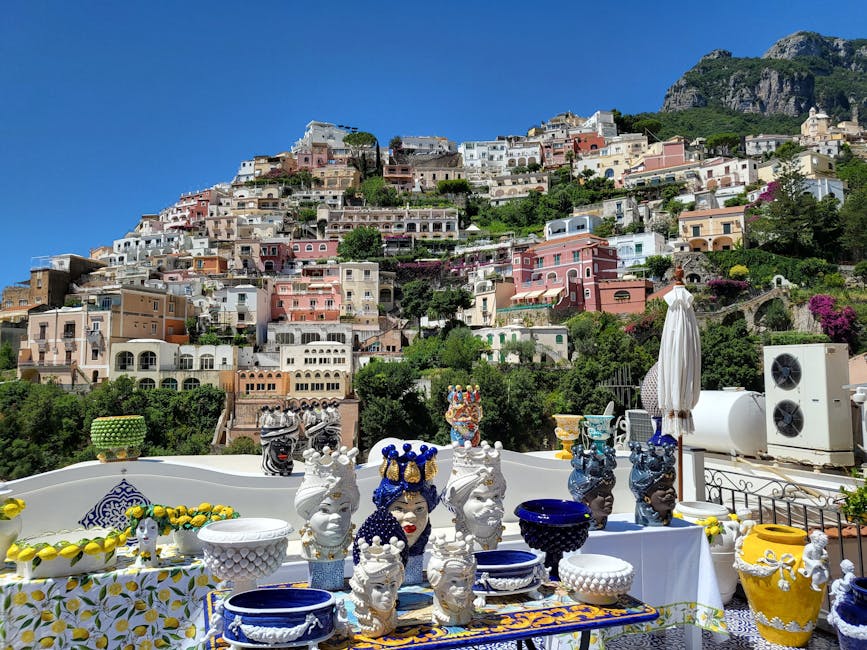
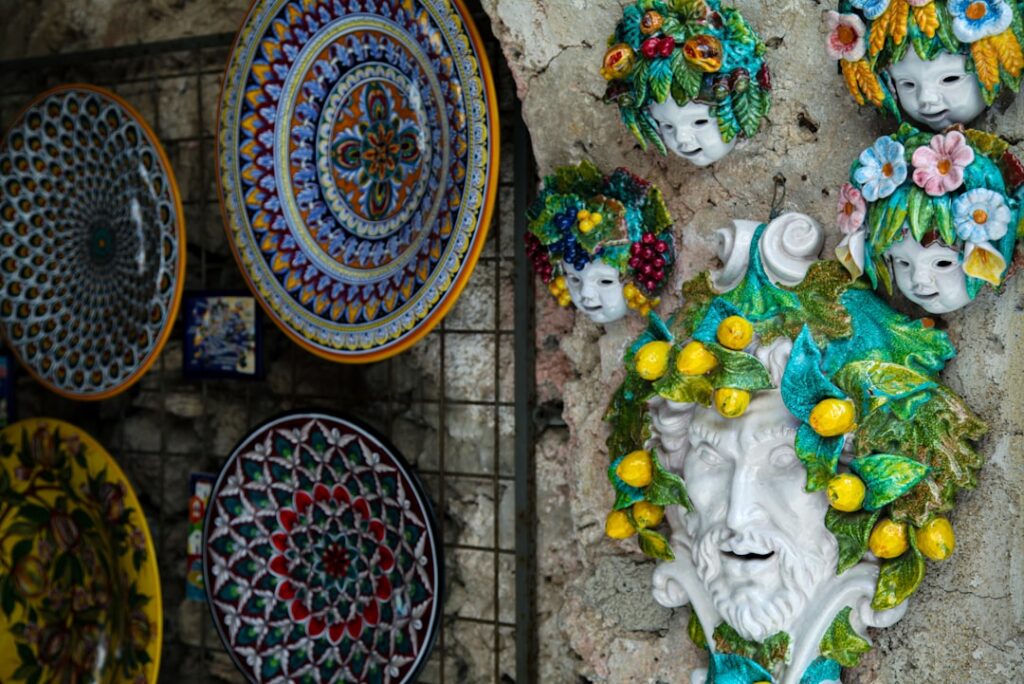
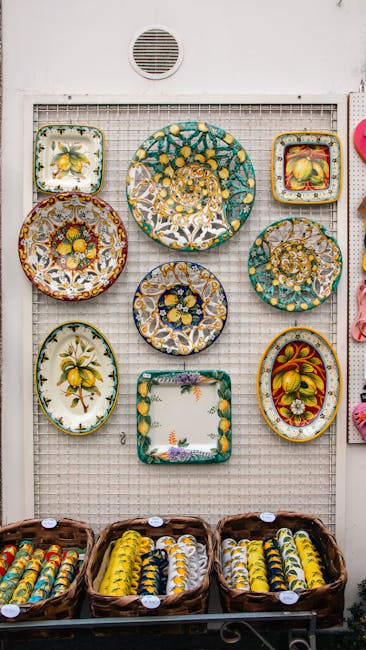
The Amalfi Coast is a strip of Mediterranean land where light, color and history come together to form an instantly recognizable aesthetic: pastel facades, oversized lemons, endless blue sea and hand-painted ceramics. Among these visual icons, decorated plates hold a special place. They tell stories of centuries of trade, Arab-Norman influence, family craftsmanship and everyday scenes — lemons, boats, sanpietrini and geometric motifs. If you travel to Amalfi, finding the right decorated plate is more than a purchase: it’s a quest to bring home a piece of authenticity, a functional and decorative keepsake that evokes the geography, history and soul of the coast.
This guide shows you exactly where to look, which workshops to visit, which shops to favor and how to tell a genuinely handmade plate from mass-produced touristware. You’ll get full addresses — for example shops along Amalfi’s main street and renowned ateliers in Vietri sul Mare — opening hours, price ranges in euros, immersive descriptions that let you imagine the enamel’s texture and the painter’s brushwork, plus practical tips for buying, transporting and shipping to your home country. Whether you’re after a small cobalt-painted souvenir plate or a large centerpiece (piatto da portata) adorned with a hand-painted marine scene, you’ll learn where to find them, how to haggle and how to pack them.
I’ll cover not only Amalfi’s center — its lanes around the Duomo di Sant’Andrea and its art galleries — but also the neighboring villages that are treasure troves for ceramics: Vietri sul Mare, considered the ceramic capital of Campania, Ravello for its refined workshops and Atrani for unexpected finds. Local markets, family-run ateliers and production studios will be explored with practical recommendations: best times to go for live demonstrations, typical prices, tips for checking glaze quality, and shipping options if you don’t want to carry a fragile plate in your luggage.
Finally, I’ll give a set of tips for enthusiasts: how to ask for a local repair if a rim chips, useful Italian phrases to bring with you (for example « piatto dipinto a mano » = hand-painted plate), and how to avoid fakes. Imagine a terrace view over the sea while holding an Amalfi-decorated plate, still warm from the workshop, and let me guide you to the addresses that are truly worth the detour.
Must-Visit Shops in Amalfi Town
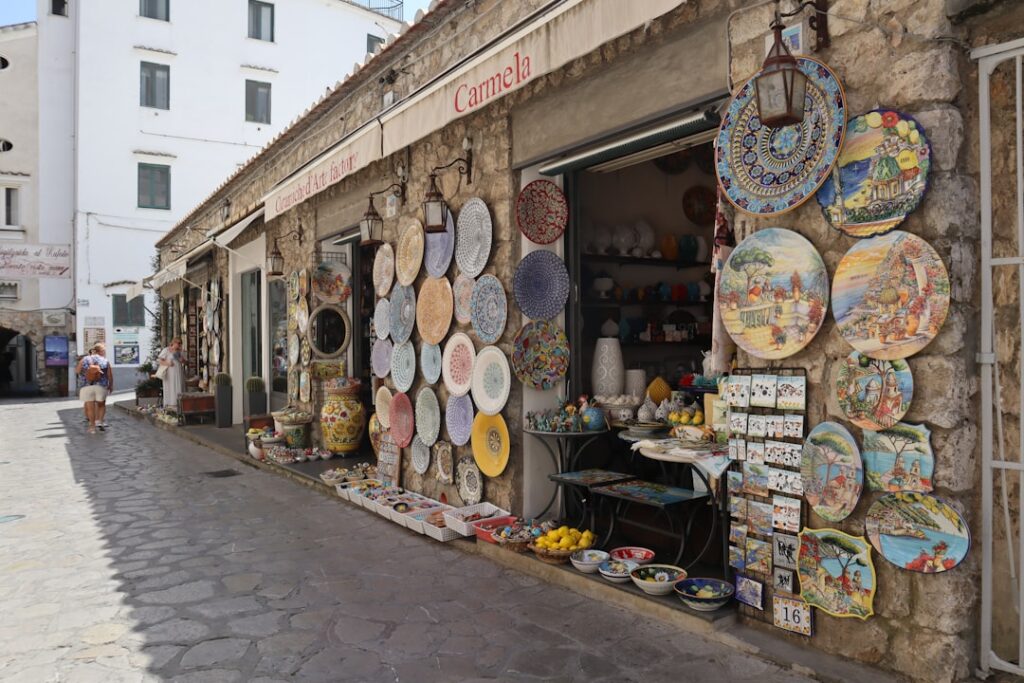
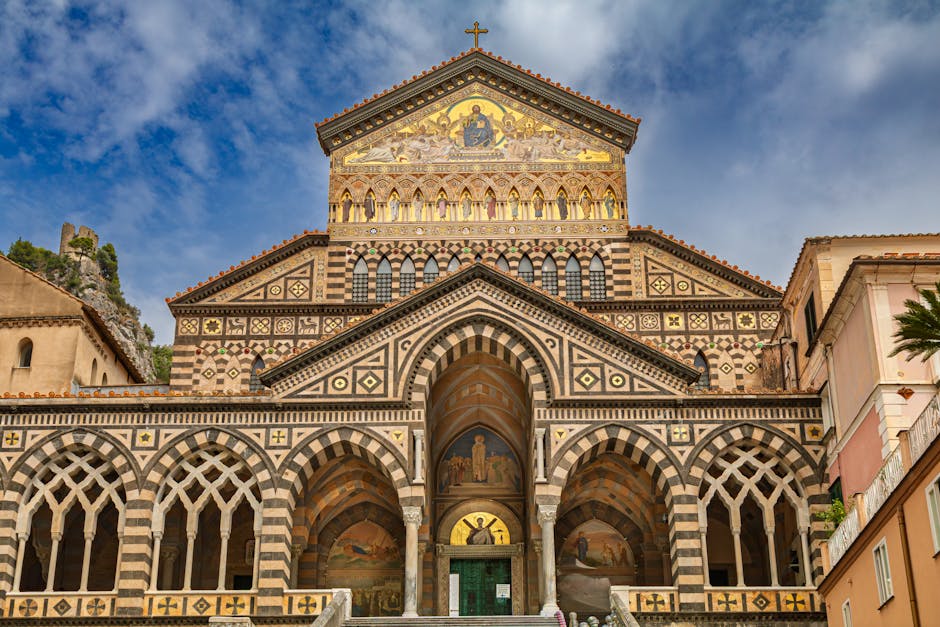
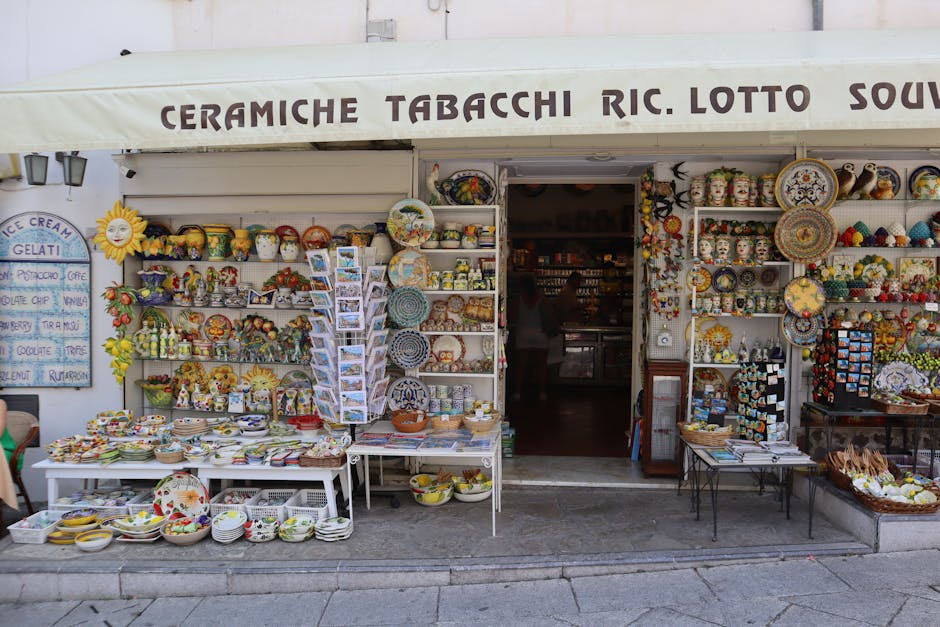
To start your hunt for decorated plates, head to the heart of Amalfi, around the Duomo di Sant’Andrea (Piazza Duomo, 84011 Amalfi SA). Several shops here sell local pieces, ranging from cheap souvenirs to artisan-made plates. Notable addresses to know:
- Ceramiche Casola Amalfi — Via Lorenzo D’Amalfi, 12, 84011 Amalfi SA. Opening hours: Monday to Sunday, 10:00–19:30. Price range: €18–€220. Description: a bright shop just steps from the cathedral, offering small dishes decorated with lemon and wave motifs, hand-painted service plates and signed pieces. The largest plates (35–40 cm diameter) start at around €120 and can reach €220 for limited editions.
- Shop Il Chiostro – Amalfi Art Ceramics — Via Roma, 35, 84011 Amalfi SA. Hours: 9:30–20:00. Prices: €15–€350. Description: located on a cobbled shopping street, this store also displays modern pieces and collaborations between local designers and traditional workshops. Great for finding a balance between contemporary style and tradition.
- La Bottega dei Maestri — Piazza Flavio Gioia, 4, 84011 Amalfi SA (near the Museo della Carta). Hours: 10:00–18:00 (closed Tuesdays). Prices: €25–€200. Description: a highly specialized shop focused on hand-painted ceramics with occasional demonstrations. Staff can show you how to spot brushwork and explain the firing cycle.
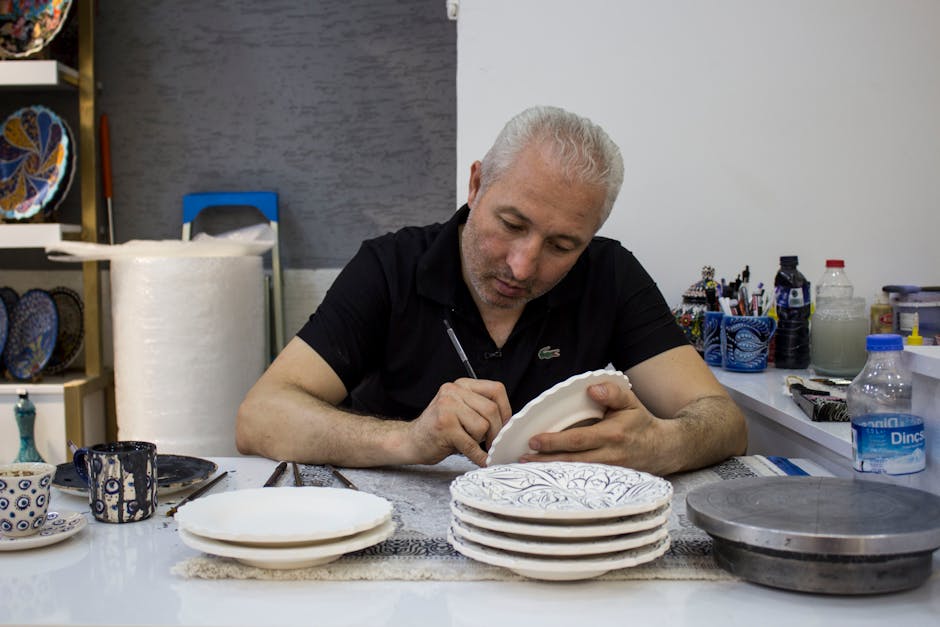
Practical tips: visit these shops in the morning (10:00–12:30) to avoid the tourist rush and to have relaxed conversations with shopkeepers. Don’t hesitate to ask where a piece comes from: is it made in Amalfi or imported from Vietri sul Mare? Asking « dipinto a mano? » (« painted by hand? ») helps clarify. For safety, if you buy a large plate ask for sturdy bubble wrap; many shops offer wrapping services costing €5–€20 depending on the size.
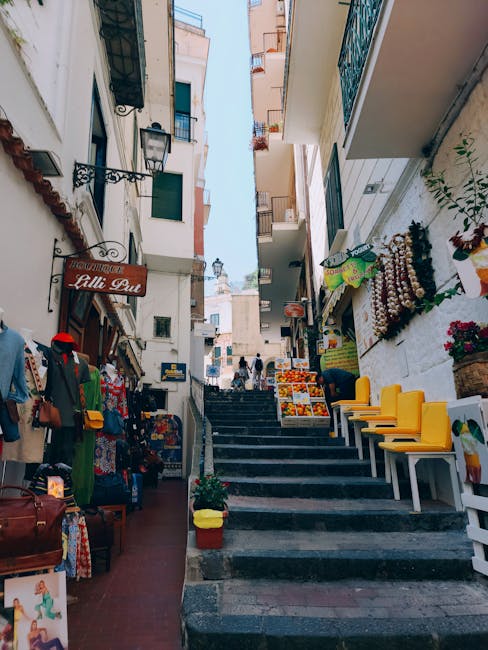
Vietri sul Mare and Fornace Solimene: The Ceramic Capital
Less than 15 km from Amalfi, Vietri sul Mare is famous for its ceramics and hosts historic workshops. If you want the widest variety of patterns and signature pieces, this is the place to go.
- Solimene Ceramics (Fornace Solimene) — Via Del Cannito, 13, 84019 Vietri sul Mare SA. Opening hours: 9:00–13:00 and 15:30–19:00 (closed Sunday mornings). Indicative prices: small plates €20–€45, signed wall plates €120–€450. Description: Fornace Solimene has been producing for generations and offers guided tours of the workshop and kilns (by reservation). You can watch demonstrations of slip application and firing, and buy studio pieces that are often numbered.
- Ceramica Artistica De Maio — Via Provinciale, 58, 84019 Vietri sul Mare SA. Hours: 10:00–19:00 daily. Prices: €30–€400. Description: a workshop-shop where tradition meets contemporary design; ideal for large plates with floral or marine motifs.
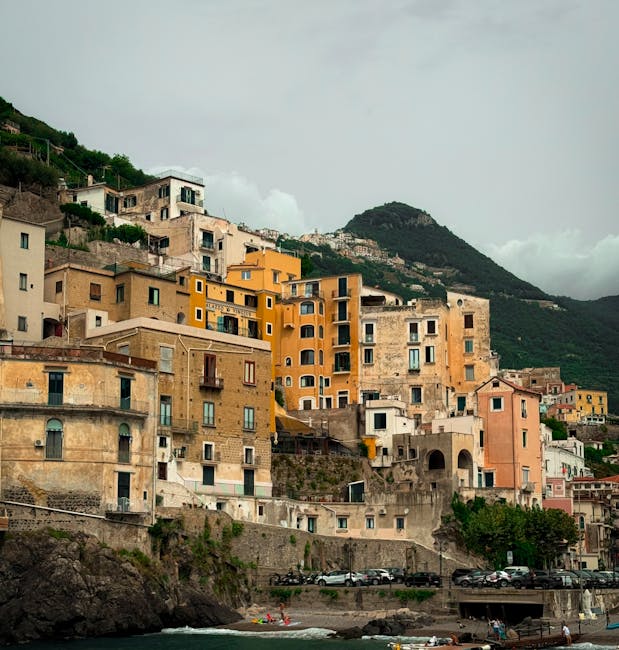
Why Vietri? Local clays and Campania’s tradition created a full chain: potters, painters, glazers and kilns. You’ll find pieces you won’t see in Amalfi, especially large « piatti da portata » richly decorated. Tip: set aside half a day for Vietri, combine it with the scenic drive and bring a soft bag and bubble wrap for transport. If you spend over €200, ask for a receipt and a certificate of authenticity; many workshops offer professional packing for international shipping (typical cost: €30–€120 depending on destination).
Ravello and Atrani: Refined Workshops and Secret Finds
Ravello, perched on the hill above Amalfi, attracts art and garden lovers. Smaller than Vietri but highly selective, Ravello offers pieces from artisans serving an international, discerning clientele. Atrani, Amalfi’s neighboring village, often yields unexpected finds in its small family-run shops.
- Atelier Ceramiche di Ravello – Via Roma, 2, 84010 Ravello SA. Hours: 10:00–13:00 and 16:00–19:30. Prices: €40–€500. Description: fine pieces with delicate slips and decorations inspired by the gardens of Villa Rufolo. Plates are often produced in small series and signed by the maker. Visits sometimes include a private demonstration (+€10 by reservation).
- Bottega di Atrani – Via Umberto I, 27, 84011 Atrani SA. Hours: 9:30–13:00 and 15:30–19:00 (closed Mondays). Prices: €18–€150. Description: a small shop run by a local family, ideal for colorful plates at reasonable prices, perfect for everyday table use. Pieces are often traditionally glazed with slight irregularities that show the handwork.
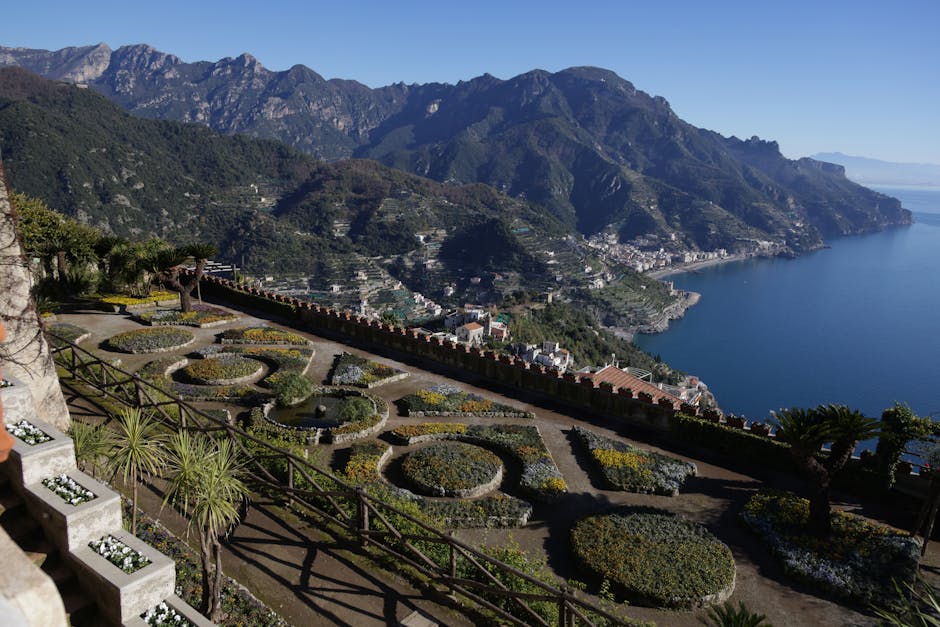
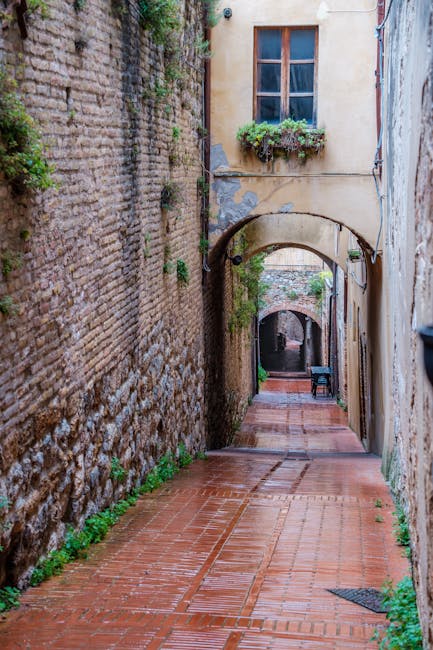
Local tips: in Ravello, take a coffee on a terrace to picture the plate on your home table. In Atrani, look for workshops tucked into alleys: the best artisans often keep their most interesting pieces in reserve and will show them on request. When negotiating, keep it polite: a smile and a « per favore » go a long way; a 5–10% discount is sometimes possible for multiple items, especially off-season.
Markets, Fairs and Practical Buying Advice
Besides shops and workshops, the Amalfi Coast hosts several seasonal markets and craft fairs where you can unearth unique plates. These events often offer good value, but you need a keen eye to spot truly handmade pieces.
Markets and events to watch for:
- Mercato Settimanale di Amalfi — Piazza Municipio (every Saturday, 8:00–13:00). Here you’ll sometimes find local vendors offering small plates and souvenirs; quality varies, prices €10–€60. Tip: always check the glaze thickness and ask if the piece is « a mano » (handmade).
- Fiera della Ceramica – Vietri sul Mare — annual event (dates vary, usually in summer) on the seafront. Exhibitors: local artisans and designers. Prices and products: very varied, from small magnets to large signed wall plates. Workshops often offer discounts during the fair.
Practical buying tips:
- Inspection: look for crazing in the glaze, air bubbles or unglazed areas. A good artisan piece will have artistic irregularities but no structural defects.
- Certificate: for expensive pieces (>€150) ask for a certificate of origin and an invoice for insurance and export purposes.
- Transport: if you’re flying, the best option is shop shipping (cost €30–€150 depending on destination). For packing in your suitcase, wrap plates in clothes and add bubble film; shops sometimes offer professional « safe » packing for €10–€30.
- Haggling: off-season (November–March) prices are more flexible. For multiple items, ask for a discount « per il set » (for the set).
CONCLUSION
Finding the best decorated plates on the Amalfi Coast is as much a cultural experience as it is a practical purchase. Between the colorful bustle of shops around the Duomo di Sant’Andrea, the industrial and artisanal traditions of Vietri sul Mare, the refined pieces of Ravello and the intimate finds in Atrani, the Amalfi Coast offers a range to satisfy both collectors and lovers of beautiful tableware. Prices vary widely — from a small souvenir plate at €15 to art pieces exceeding €400 — but the key is recognizing quality: even glaze, brush-painted decoration, a maker’s signature or stamp, and professional packing for transport.
Before you buy, keep a few simple rules in mind: visit shops early in the morning for calm conversations, ask about origin and manufacturing method (hand-made = « dipinto a mano »), inspect the glaze carefully, and plan transport. If you plan to ship items abroad, ask the workshop if they offer international shipping and certified packing. Finally, treat each plate as a living souvenir of your trip: more than an object, it’s the trace of a craft gesture that connects your table to the light and landscapes of the Amalfi Coast.
Wandering the cobbled lanes, chatting with a potter in Vietri or admiring a plate on a Ravello terrace, you’ll realize that buying a decorated plate here is like bringing home a fragment of a millennia-old story. Take your time, ask questions, let the light and taste lead you — and you’ll return home not just with a beautiful object, but with a story to tell each time you place that plate on the table.