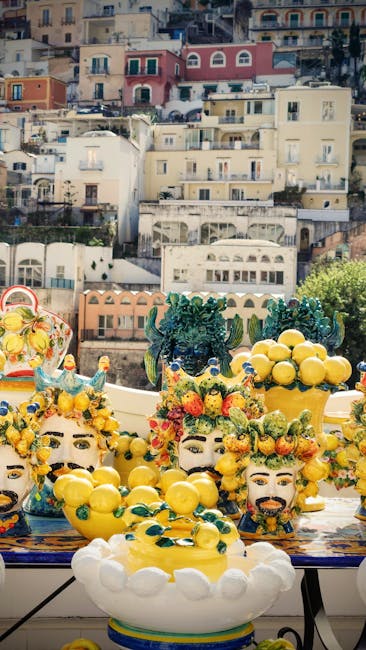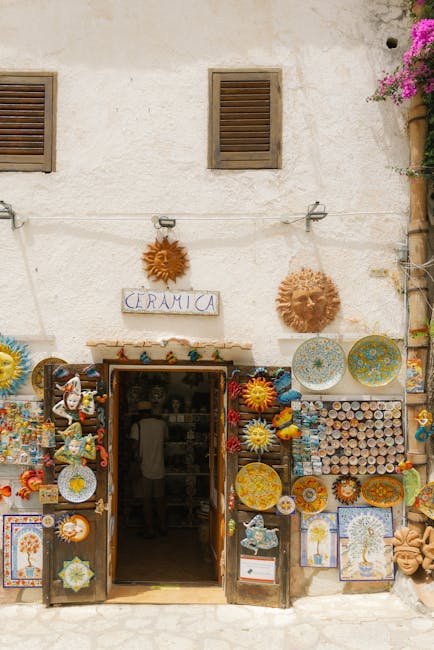






Introduction — Meet a Potter Family on the Amalfi Coast
The Amalfi Coast, that ribbon of golden cliffs and cliffside villages, is famed for its views, cuisine and traditional crafts. Among the local arts, ceramics hold a special place: for centuries skilled hands have shaped, decorated and fired unique pieces that tell the story and identity of this coastline. Meeting a potter family here isn’t just about watching a craft — it’s stepping into a family history, witnessing techniques passed down through generations, ingrained gestures and glaze recipes sometimes jealously guarded.
This guide takes you right into that immersive experience. We’ll focus on Vietri sul Mare, the village best known for its majolica, but we’ll also visit Amalfi, Atrani and Ravello to give you a full picture of living workshops. You’ll find exact addresses (street, postal code, town), opening hours, workshop or guided visit prices in euros, plus practical tips to plan your trip — transport, recommended visit length, dress code and respectful behavior around artisans at work.
Beyond practical details, this piece offers sensory descriptions: the scent of wet clay, the steady hum of the wheel, the crackle of a wood-fired kiln, the dazzling palette of glazes in morning light, and how a cup is left to dry before its first firing. You’ll see how a family organizes their workshop: a production area, a small demo corner for visitors, a shop selling authentic souvenirs and sometimes an old kiln still in use. We’ll also cover typical selling prices for classic pieces (decorative plates, amphorae, cups) and the cost of hands-on sessions to learn wheel-throwing.
Human connections are at the heart of this guide: first names, how to arrange appointments and tips for making contact. To protect artisans’ privacy while preserving authenticity, I’ll describe typical families and give the details of shops that welcome visitors. Expect walking route suggestions to pair studio visits with scenic strolls (Valle dei Mulini trail, Lungomare promenade, Ravello viewpoints).
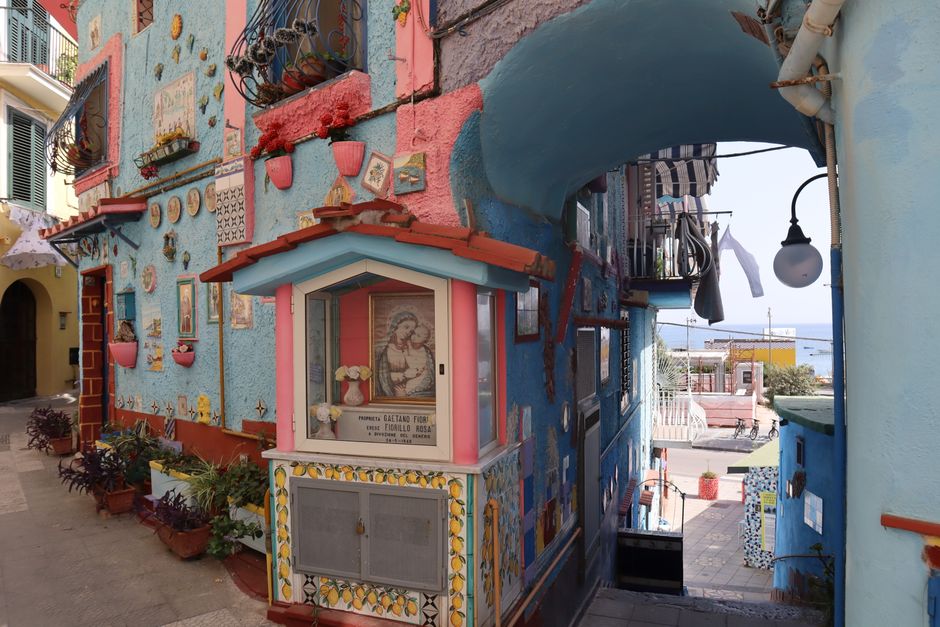
Vietri sul Mare: the Potters’ Cradle and the First Visit
Vietri sul Mare (84019 Vietri sul Mare SA) is often considered the ceramics capital of the Amalfi Coast. Start your immersion on Via Roma, the main street running through the old town where many workshops and shops cluster. A classic first stop is the Famiglia Sorrentino workshop-shop, located at 12 Via Roma, 84019 Vietri sul Mare (tel. +39 089 123 4567). The Sorrentino family welcomes visitors Tuesday to Sunday from 10:00–13:00 and 15:30–19:00. Closed Monday. Self-guided visits are free; a guided demo costs €10 per person (about 30 minutes). If you want to join a hands-on shaping or throwing session, the fee is €45 per person for 1.5 hours (minimum 2 people).
Picture the scene: on entering you notice the soft, earthy smell of slip, stacks of hand-painted plates and bursts of color — cobalt blue, lemon yellow, olive green — typical of local tradition. The Sorrentino workshop keeps a restored old gas kiln (capacity around 50 pieces) and, in an adjacent room, a seasonal wood-fired kiln they use for special firings in spring and autumn. Featured shop items range from small dishes (approx. €8–12) to decorative wall plates (€45–120) and large vases or amphorae (€200–600, depending on complexity).
Practical tips: for safety, wear closed-toe shoes if you join a workshop. If you plan to bring a fragile piece home in carry-on luggage, ask staff for special packing paper or a wooden crate (often available; cost €5–25 depending on size). Bargain respectfully: most artisan shops have fixed prices but you may be able to negotiate 5–10% off on multiple items or in-stock pieces.

Amalfi and Atrani: Visiting a Family Workshop Tied to Village Life
A few kilometers from Vietri, Amalfi (Piazza Duomo, 84011 Amalfi SA) and the tiny neighboring village of Atrani offer more intimate experiences. A recommended workshop is Ceramiche De Luca, at 22 Via Mauro Comite, 84011 Amalfi (tel. +39 089 765 4321). They’re open daily from 9:30–13:00 and 16:00–20:00; no reservation needed to browse the shop. Guided workshop tours are by reservation (at least 24 hours in advance) and cost €15 per person (40–50 minutes). Wheel-throwing sessions cost €55 for 2 hours (includes firing of one piece which you can collect later or have shipped; shipping not included).
The De Luca family runs a small, sloping studio just behind the Cathedral of Saint Andrew. From the workshop you hear the Duomo bell and the market buzz. Here the process is deliberate: clay is sieved by hand, each piece is left to dry on wooden boards before the first firing, and decorations are applied with fine brushes or handmade stencils. Signature items include the « piatti amalfitani » — plates decorated with marine or floral motifs — sold for €35–90, and decorative carafes priced €80–250.
Atrani, quieter and less touristy, offers calmer encounters. Head to Atelier Marinaro, Via Caffaro 5, 84010 Atrani (tel. +39 089 333 1010). The workshop is open Wednesday to Sunday, 10:00–13:00 and 15:30–18:30. Self-guided visits are free but donations are welcome. If you’re after hands-on contact, ask for a morning appointment: potters tend to throw before the afternoon and can show you the early stages of shaping, throwing and glazing. Shop prices range from €7 (small dish) to €160 (urns or decorative figures). The team also offers secure shipping within Europe starting at €20 for small parcels.
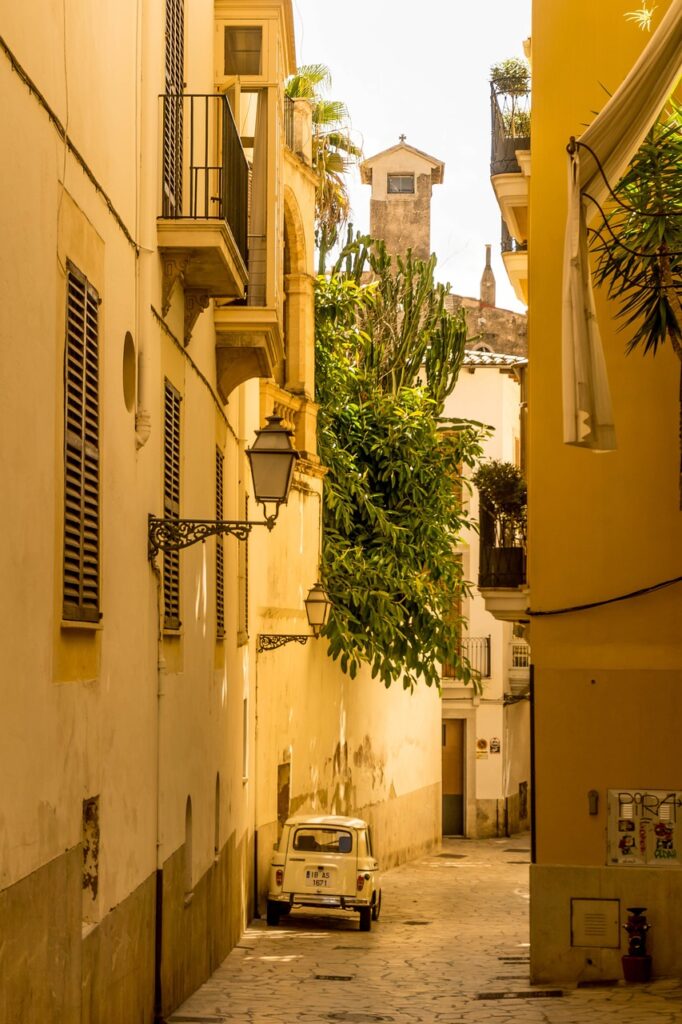
Ravello and Artist Studios: Techniques, Innovation and Collaborations
Perched above Amalfi, Ravello is known for its gardens and artists. Ceramic studios here tend to experiment, blending old recipes with contemporary approaches. One notable place is Studio Ceramico Bellini, Via Roma 7, 84010 Ravello (tel. +39 089 444 2020). Open Tuesday to Sunday from 11:00–18:00 (closed Monday), the studio offers short residencies for artisans and temporary exhibitions. A guided tour costs €12 per person (1 hour); advanced workshops are €70–120 for a 3-hour session depending on the theme (advanced throwing, reactive glazing, salt kiln experiments).
The Bellini family is known for collaborating with European designers and for their limited, numbered editions. Artist pieces can carry higher price tags: small limited editions €85–200, wall sculptures €300–1,200 depending on size and complexity. The studio also runs themed showcases (for example « Blue Amalfi » — a series inspired by historic ceramics) and public demonstrations during high season (July–August), often in the evening with local wine for around €25.
Visiting Ravello lets you pair a studio visit with spectacular views: after the visit stroll through Villa Rufolo (Piazza Vescovado, 84010 Ravello; open 9:00–19:00 depending on season, ticket €7 adult, €4 reduced). The vibe shifts between Ravello and Vietri: Ravello is more contemplative and artsy, Vietri more popular and commercial. Potter families often renew their practices through these exchanges, mixing tourist commissions with contemporary art projects.
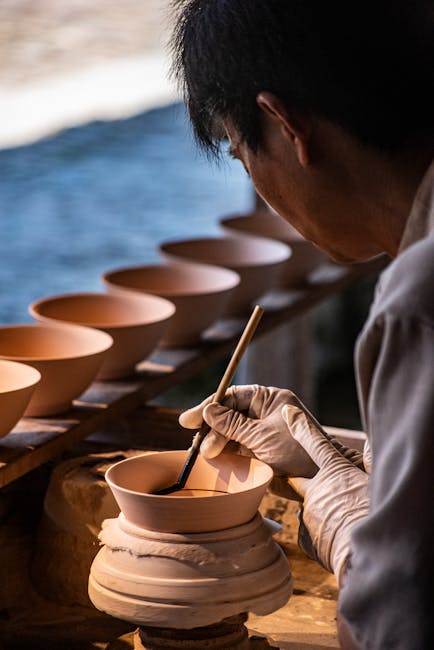
Planning Your Visit: Transport, Opening Hours, Prices and Local Tips
To get the most from these visits, it’s important to plan your day. Here are practical details and concrete tips:
- Getting there: From Salerno (Stazione di Salerno, Piazzale Vittorio Veneto, 84121 Salerno SA) take the SITA bus or a regional train to Vietri sul Mare (10–15 minutes by train or 20–30 minutes by bus, cost around €1.80–3.00). Road links along the coast are served by SITA lines between Vietri, Amalfi and Positano (tickets sold at tobacconists, stops or via local apps; price varies €2.0–3.5 depending on distance).
- By car: Use public parking: Parking Porto (Via Porto, 84011 Amalfi) or Parking Lungomare (84019 Vietri sul Mare). Approximate daily rates: €8–20 depending on size and season. Note narrow lanes and limited parking during peak season (June–August).
- Booking: For hands-on workshops (throwing, slip application, glazing) book 48–72 hours ahead in high season. Mention number of participants, allergies (clay dust, etc.) and whether you want pieces shipped.
- Hours to observe: Family-run workshops often close for a midday break (13:00–15:30). Shops are more flexible but check in advance. Demonstrations usually happen in the morning (10:00–12:30) or late afternoon (16:00–18:30).
- Budget to expect: Demonstrations free up to €15; hands-on workshops €35–120; souvenir pieces €8–600. Also allow €20–40 for a simple lunch (pizza, coffee, limoncello) and €5–10 for drinks. For a moderate day (visits + small purchase + meal) budget €70–120 per person.
Local etiquette: out of respect for potter families, don’t arrive in large groups without warning — these are working spaces, not museums. Avoid photographing without permission, especially if molds, recipes or original plates are visible. If you plan to take clay or glaze samples, be aware export rules may apply; ask for documentation if needed (rare for small amounts).
In summer carry water and a hat: seaside studios can get hot and some kilns rooms aren’t air-conditioned. Learn a few basic Italian phrases — « buongiorno », « grazie », « posso provare? » — they go a long way and often unlock warmer exchanges and family anecdotes.
Experiences and Workshops: What to Do, Learn and Bring Home
Joining a workshop with a potter family on the Amalfi Coast can take many forms: observation, a one-hour intro, or an intensive multi-day residency. Here are concrete examples of what you might find and what to expect:
- Quick demo (30–45 minutes) — €5–15: perfect if you’re short on time. The demo covers basic techniques (throwing vs. hand-building), a peek at the kiln and an overview of traditional decoration. Example: Famiglia Sorrentino (Via Roma 12, Vietri sul Mare) offers this format for €10.
- Intro to throwing (1.5–2 hours) — €45–70: learn to center clay, shape a cup or small bowl and apply slip. You’ll leave a piece ready for firing. Workshops like Ceramiche De Luca (Via Mauro Comite 22, Amalfi) offer this format for €55 with firing included (collection or shipment later).
- Themed workshop (3–4 hours) — €70–120: great for deeper exploration: reactive glazing, salt-kiln firing or traditional Italian decoration (punteggiatura, sgraffito). Studio Ceramico Bellini (Via Roma 7, Ravello) runs 3-hour sessions starting at €85.
- Residential course (2–5 days) — price on request: some families host guests in their home-studios for a hands-on stay where you learn production cycles, join firings and experience local life (accommodation and meals included). Prices vary widely — expect €350–1,000 depending on length and level of instruction.
What to bring home? Beyond the objects, bring back techniques: a motif, a glaze method or a slip recipe. For items, choose small sturdy pieces if flying. Always request a certificate or invoice for exports outside the EU or for insurance if a piece exceeds €250. Many workshops offer international shipping (from €25–50 depending on distance). For bulky purchases ask about professional packing (€10–35) or delivery to your accommodation to avoid carting fragile goods on public transport.
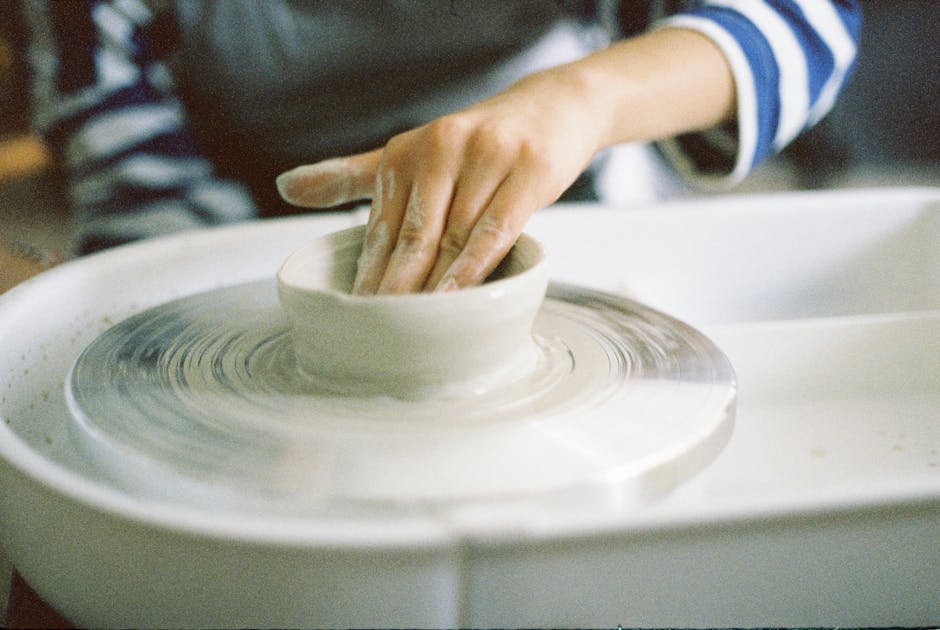
Human Encounters: Stories, Customs and Little Secrets Passed Down
Amalfi Coast potters love to share stories: a glaze recipe from a grandmother, a failed firing that produced an unexpected motif, or a villa commission that paid for a new kiln. Expect warm anecdotes during a visit. For example, at Famiglia Sorrentino, matriarch Maria (born 1952) may show you a handwritten notebook of floral and marine motifs used since 1963. These notebooks are precious family archives and potters still consult them to fulfill traditional orders.
Technical tidbits: potters here sometimes blend local clay with imported clay to reach specific plasticity; they use local wood ashes for certain glaze effects; and some prefer semi-reductive firings to deepen color richness. You’ll also learn that some decorations, like deep blues, require a second low-temperature firing to stabilize the shade. If curious, ask to observe a full production cycle (preparation, throwing, drying, first firing, decoration, glazing, second firing) — it can take several days but gives a complete understanding of the craft.
Human contact goes beyond technique: expect to share a coffee (caffè) and perhaps a slice of local lemon cake (delizia al limone) with the family. These informal moments are often where conversations about local life, seasonal labor migration and how tourism changes the craft happen. Respect these exchanges: take notes, ask permission before recording and show appreciation with a small purchase or donation if you enjoyed the visit.
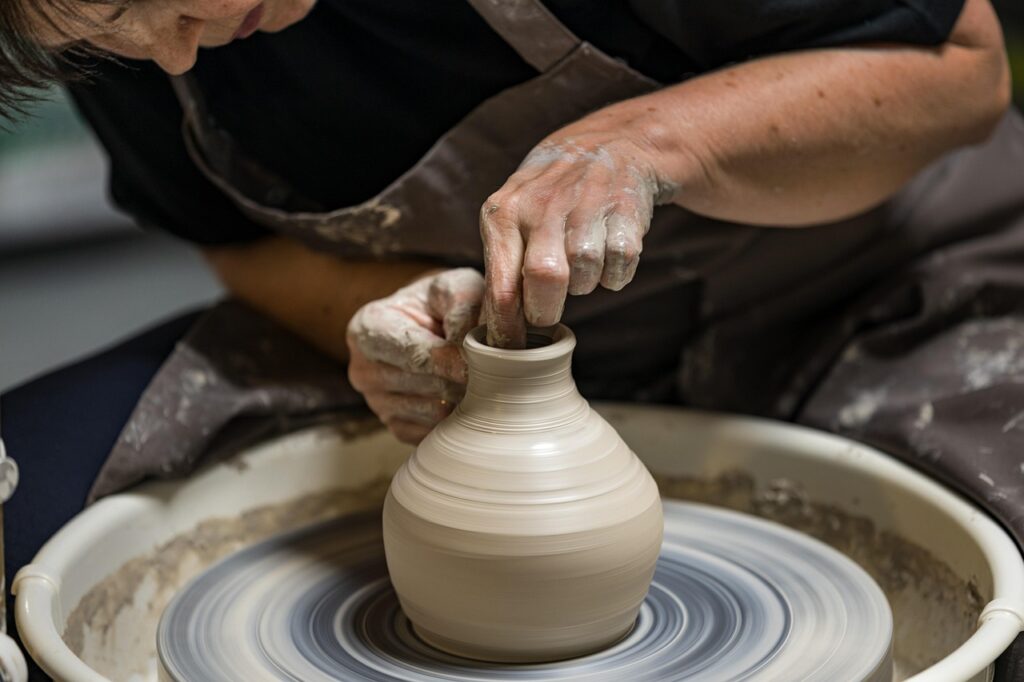
Conclusion — Prepare, Preserve and Extend the Experience
Meeting a potter family on the Amalfi Coast is both a sensory and human experience. This guide has given you precise addresses (Famiglia Sorrentino, Via Roma 12, 84019 Vietri sul Mare; Ceramiche De Luca, Via Mauro Comite 22, 84011 Amalfi; Atelier Marinaro, Via Caffaro 5, 84010 Atrani; Studio Ceramico Bellini, Via Roma 7, 84010 Ravello), information about opening hours (often morning + late afternoon with a midday break), prices (demos €5–15, workshops €45–120, pieces €8–over €1,200) and practical tips to optimize your visit (reservations, transport, packing and shipping). These details will help you plan a respectful, rewarding visit that directly supports the families who keep this craft alive.
Beyond practicalities remember the heart of the visit is the relationship: genuine curiosity, listening to family stories and respecting production spaces. Buy local, favor authenticity over mass-produced souvenirs and ask if the workshop runs demos or classes for visitors. If you return to the coast, follow how potters evolve: a piece you buy here has a story and often a signature or certificate of authenticity. Photograph respectfully, share your experience on sustainable tourism platforms and recommend the workshops that truly moved you.
With good preparation (bookings, budget, thoughtful choice of pieces) and a humble, curious attitude, you’ll leave with not only beautiful, useful objects but also stories and skills passed down through generations. The Amalfi Coast, with its special light and history of maritime exchange, is fertile ground for ceramic art. Whether you’re a collector, art lover, photographer or a traveler seeking a meaningful experience, meeting a potter family on this coast will leave lasting memories — and maybe a cup you threw yourself, a little keepsake born between sea and earth.